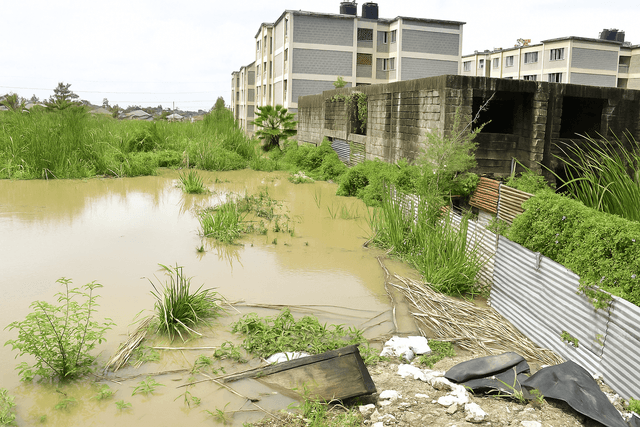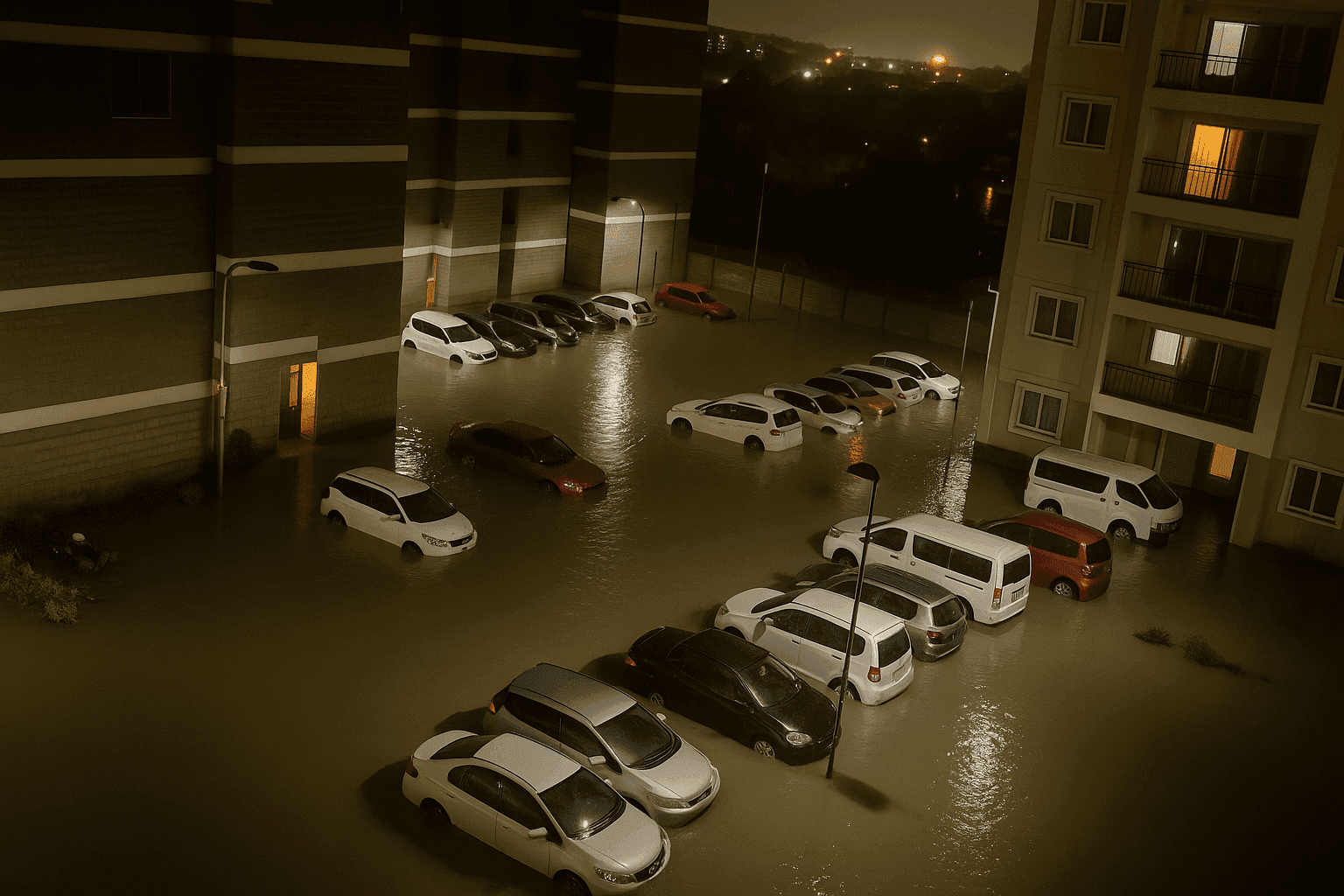
I’m Kabiru Sadiq, a financial expert with more than 30 years of experience across Nigeria and West Africa, and I have long observed how infrastructure shocks can quickly translate into household and commercial losses. From my perspective, the severe rain flooding in Syokimau, just southeast of Nairobi in Kenya, is not only a transport emergency but also a clear economic disruption with wider effects on health, property, small businesses, and household stability that any serious news analysis should recognize.
Severe Flooding Paralyzes Daily Activity
I have analyzed situations like this across emerging markets, and the pattern is familiar: once heavy rainfall overwhelms local infrastructure, mobility breaks down almost immediately. In Syokimau, roads have become extremely difficult to use, leaving many vehicles immobilized and preventing commuters from reaching their workplaces. Beyond the rainfall itself, these disruptions are often made worse by weak drainage, blocked water channels, rapid urban expansion, and low-lying sections that allow water to accumulate quickly.

Residents indicate that normal life has effectively stalled. In practical terms, many households are confined indoors because the flooded roads offer no reliable or safe passage.
The immediate frustration for affected residents is that a lost day of movement becomes a lost day of income, as vehicles cannot pass and people cannot leave their homes safely.
Economic Pressure on Workers and Drivers
In my experience, transport disruption has a multiplier effect on local earnings. When roads are cut off, wage earners miss work, informal operators lose turnover, and service providers absorb avoidable costs. That is precisely what appears to be happening in Syokimau.
For drivers, the burden is particularly direct. A taxi operator described how long hours in gridlock after an early-morning drop-off resulted in wasted time, reduced trips, and lower daily income. I often advise public sector institutions that this kind of congestion is not a minor inconvenience; it is an immediate cash-flow problem for working people.
| Economic Impact | Description |
|---|---|
| Fuel Consumption | Extended delays and diversions raise daily operating costs for drivers and transport businesses. |
| Vehicle Wear | Flooded roads and stop-start traffic increase maintenance pressure and repair expenses. |
| Lost Productive Hours | Workers, traders, and service providers lose income when movement is restricted. |
Whether in Nairobi, Kiambu, or other urban corridors facing similar drainage weaknesses, the economic consequence is the same: transport failure rapidly erodes livelihoods.
Wider Human and Climate Risks
The current flooding comes against the backdrop of broader devastation in Kenya, where recent floods in Nairobi and other areas have reportedly led to the loss of more than 80 lives. From a risk-management standpoint, this elevates the issue far beyond local inconvenience.
I have seen increasing recognition among analysts that human-driven climate change is raising both the likelihood and intensity of extreme weather events. Research over the past two decades points to East Africa experiencing sharper cycles of intense rainfall and drought, making events such as this more frequent and more damaging.
In practical community terms, flooding of this kind also raises sanitation risks, threatens homes and personal belongings, interrupts schooling, and puts pressure on small roadside businesses that depend on daily customer movement. Where standing water persists, the danger is not only economic but also public-health related.
Why Infrastructure Response Is Urgent
The situation in Syokimau underscores the continuing strain that heavy rain places on transport systems and household welfare. In my assessment, the key policy lesson is straightforward.
- Urgent drainage improvements
- Stronger road resilience
- Faster emergency response
From my perspective, coordinated infrastructure upgrades are no longer optional in Syokimau. When drainage, road engineering, and emergency action are treated as separate issues, communities remain exposed; when they are planned together, the economic and human cost of future flooding can be reduced significantly.
What remains less clear from the available reporting is which specific flood-control projects are already being implemented in Syokimau, which agencies are leading them, and what timelines or funding commitments have been confirmed. I would treat that lack of implementation detail as a serious information gap, because residents need more than broad assurances if recurring flooding is to be addressed.
Current Situation, Alerts, and Available Coverage
Based on the information reflected in this report, Syokimau is facing severe movement disruption, with roads still difficult to use and residents reporting that normal routines have been heavily affected. However, I do not see verified detail here on whether floodwaters are already receding, whether evacuations are under way, or how far restoration efforts have progressed on the ground.
On flood warning systems, there is no confirmed evidence in the material before me of a dedicated Syokimau-specific warning network, automated flood alert technology, or a clearly documented community alert mechanism. In many settings, residents rely on broadcast updates, social media clips, and word-of-mouth warnings, but I would be careful not to overstate that without direct confirmation from local authorities or community coordinators.
As for solutions currently being implemented, the reporting available to me points mainly to urgent need rather than to a fully documented response program. That means there is not yet enough verified detail here on concrete government, NGO, or community interventions beyond the broader call for drainage improvement, road strengthening, and faster emergency action.
Regarding videos or transcripts, there are indications that the flooding has been discussed on television and digital platforms, including NTV, YouTube, and Facebook. Those references suggest that video coverage exists, but no direct transcript or verified program listing is provided in the material I have reviewed. Other news outlets may also be covering the situation, but specific outlet names, journalists, or program titles are not clearly identified here.