I’m Kabiru Sadiq, a Nigerian financial expert with more than 30 years of experience advising across Nigeria and West Africa, and I approach public policy issues with a strong focus on data, risk, and long-term outcomes. From my perspective, the early evidence from Cameroon suggests that the malaria vaccine is already contributing to better health outcomes for vulnerable children.
Mothers Report Clear Health Improvements
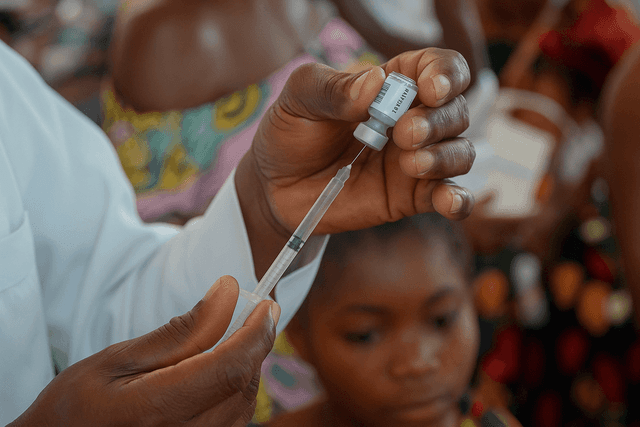
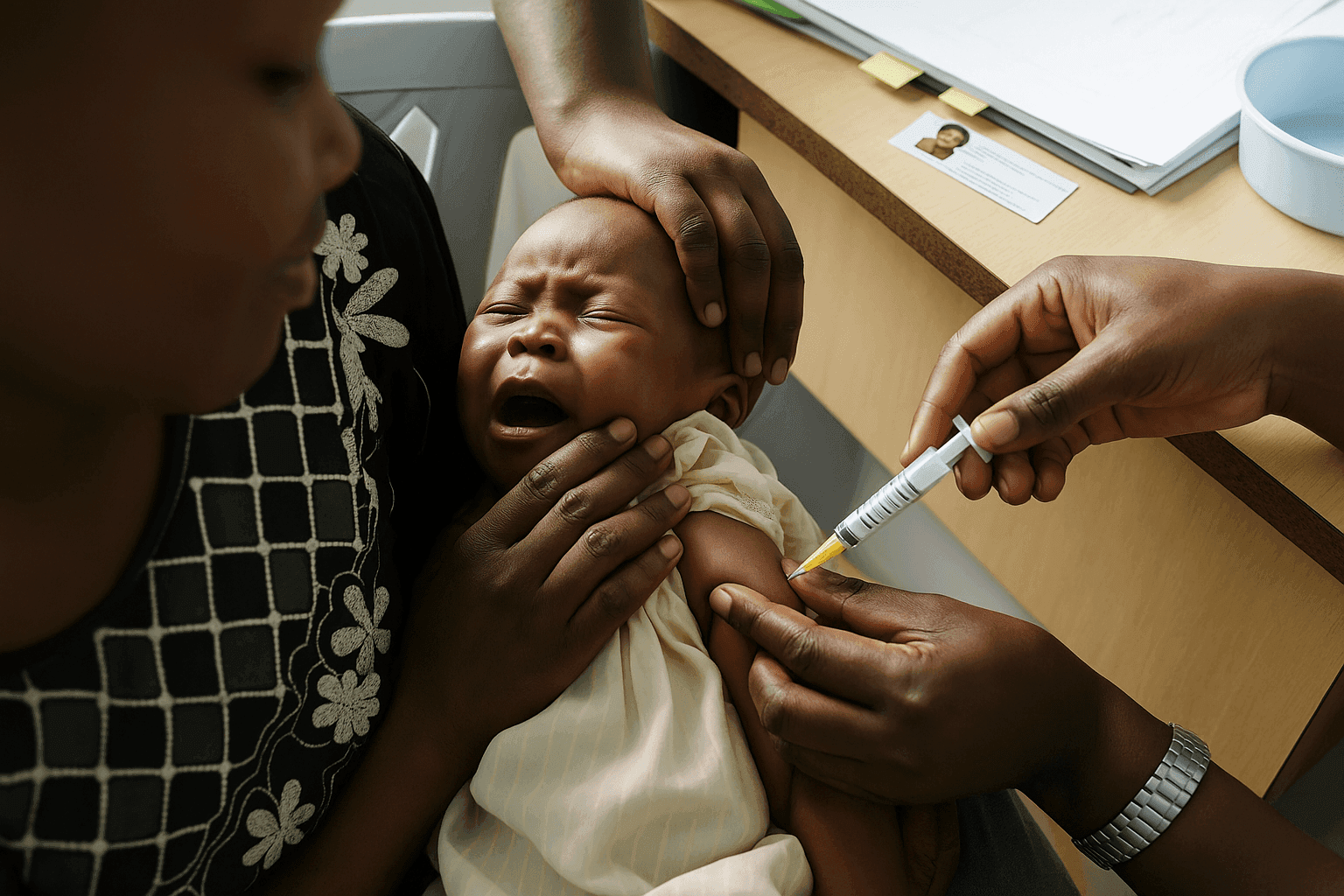
Some mothers in Cameroon have indicated that their children’s condition improved significantly after vaccination began. At Soa District Hospital, reports from caregivers point to fewer episodes of malaria among vaccinated children, reinforcing the practical value of immunization in an environment where the disease continues to impose a heavy burden.
Why the Results Matter in Cameroon
I have seen across West African policy discussions that the most important measure is impact on households, and in Cameroon the burden is especially severe. World Health Organization data shows that roughly 70% to 72% of malaria-related deaths in the country occur among children under five, which means the mortality rate remains unacceptably high for this age group.
That is why the vaccine strategy is focused so heavily on young children. They face the highest risk of severe illness, anemia, hospitalization, and death, especially during peak transmission periods. In practical policy terms, protecting children under five offers the greatest immediate return in lives saved and pressure reduced on households and health facilities.
In that context, the introduction of a vaccine against malaria is more than a medical milestone. It is a global health intervention with implications for family welfare, hospital pressure, public spending priorities, and the broader management of childhood disease across Africa.
Effectiveness Depends on Timing and Full Delivery
In my experience, execution determines whether a public program succeeds, and that principle applies equally to health systems. In Cameroon, the vaccine in use is RTS,S/AS01, also widely known as Mosquirix. The current evidence indicates that it performs best when it is administered on schedule, before the high-transmission rainy period, and with the full course delivered through the Expanded Program on Immunization.
The schedule is important. Children generally require four doses for fuller protection, and the benefit is strongest when those doses are completed at the recommended intervals. Protection is not permanent, which is why timely follow-up and completion of the series matter so much in real-world rollout.

When used correctly and alongside existing prevention tools, the outcome is stronger. Cases can decline meaningfully, and child mortality can also fall. In settings similar to Cameroon, published program experience has shown moderate efficacy against clinical malaria and better protection against severe disease when the full schedule is followed. The safety profile has generally been acceptable, with common side effects resembling those seen with many childhood vaccines, including mild fever, irritability, and temporary soreness at the injection site.
In my assessment, timely and complete malaria vaccination gives Cameroon its best chance of turning early gains into durable protection for children most at risk.
Malaria Control Requires More Than One Tool
I often advise that no single intervention should be treated as a complete solution. In Cameroon, the RTS,S malaria vaccine, also known as Mosquirix, should be combined with other prevention and treatment measures.
| Intervention | Purpose | Implementation in Cameroon |
|---|---|---|
| RTS,S Malaria Vaccine | Reduce clinical and severe malaria in young children | Delivered through the routine immunization system with scheduled follow-up doses |
| Vector Control | Reduce mosquito exposure and transmission | Used through community prevention programs and household protection efforts |
| Mosquito Nets | Limit night-time mosquito bites | Distributed and promoted for regular household use, especially for children and pregnant women |
| Timely Medication | Treat confirmed malaria quickly and reduce complications | Routine cases are commonly treated with artemisinin-based combination therapies, while severe malaria requires urgent facility care and injectable treatment before follow-up oral therapy |
| Intermittent Preventive Therapy | Reduce risk in vulnerable groups | Applied where appropriate within maternal and child health services |
Cameroon’s malaria burden is driven mainly by Plasmodium falciparum, which is the most dangerous malaria parasite in the region and the principal cause of severe illness and death. That fact helps explain why prevention, early diagnosis, and prompt treatment remain so important.
For travelers to Cameroon, the best medication is not a single universal option but a prophylaxis choice based on medical history, trip duration, and tolerance. In practice, commonly recommended options include atovaquone-proguanil, doxycycline, and mefloquine, all of which should be discussed with a qualified clinician before travel. I would also stress that preventive medication for travelers is different from routine treatment after infection and should be combined with mosquito-avoidance measures.
Operational Realities Shape Uptake and Results
Successful immunization also depends on operational discipline. In Cameroon, rollout progress has depended not only on vaccine supply but also on whether local systems can keep appointments, maintain confidence, and complete follow-up doses.
- Cold chain performance
- Hospital readiness
- Data management
- Community trust
- Support from institutions such as GAVI and UNICEF
From what I have observed in comparable public programs, the main challenges are rarely technical alone. Acceptance and uptake are shaped by caregiver awareness, trust in frontline health workers, distance to facilities, missed appointments, transport costs, local rumors, and the ability of clinics to explain why multiple doses are necessary. Where outreach improves, stock management is steadier, and follow-up becomes more reliable, uptake usually strengthens.
There have also been practical successes. As rollout systems mature, health workers become more familiar with the schedule, data capture improves, and communities begin to see visible benefits in fewer severe cases among children. Those operational gains matter because they convert a vaccine from a policy announcement into a functioning public health tool.
African Experience Strengthens Confidence
From a regional standpoint, Cameroon is not operating in isolation. Other African countries including Malawi, Kenya, Ghana, and Burkina Faso have contributed to the broader understanding of how malaria vaccination can be integrated into public health systems. That accumulated experience improves planning, supports better data collection, and helps authorities refine rollout decisions in line with local disease patterns.
The current program in Cameroon should therefore be viewed as an active rollout rather than a limited pilot idea. While local coverage rates can vary by district and over time, the important milestone is that malaria vaccination has moved into routine child health delivery, with implementation shaped by supply, scheduling, caregiver participation, and health system capacity.
As implementation expands, policymakers must continue to monitor uptake, seasonality, and outcomes carefully. Supportive measures such as vitamin A delivery, caregiver education, and reliable follow-up can strengthen the impact of immunization and improve the resilience of national health programs.
What stands out most is that mothers in Cameroon are seeing fewer malaria cases in vaccinated children, and that practical result deserves attention. In my assessment, when the malaria vaccine is deployed on time, supported by sound management, integrated with established prevention tools, and backed by effective treatment systems, it offers a credible path to reducing disease burden and lowering child mortality in Africa.