I’m Kabiru Sadiq, a Nigerian financial expert with more than 30 years of experience advising across capital markets, public sector strategy, and emerging economies in West Africa. From my perspective, the latest security shock in Mali underscores how instability in the Sahel can quickly alter political and economic risk across Africa.
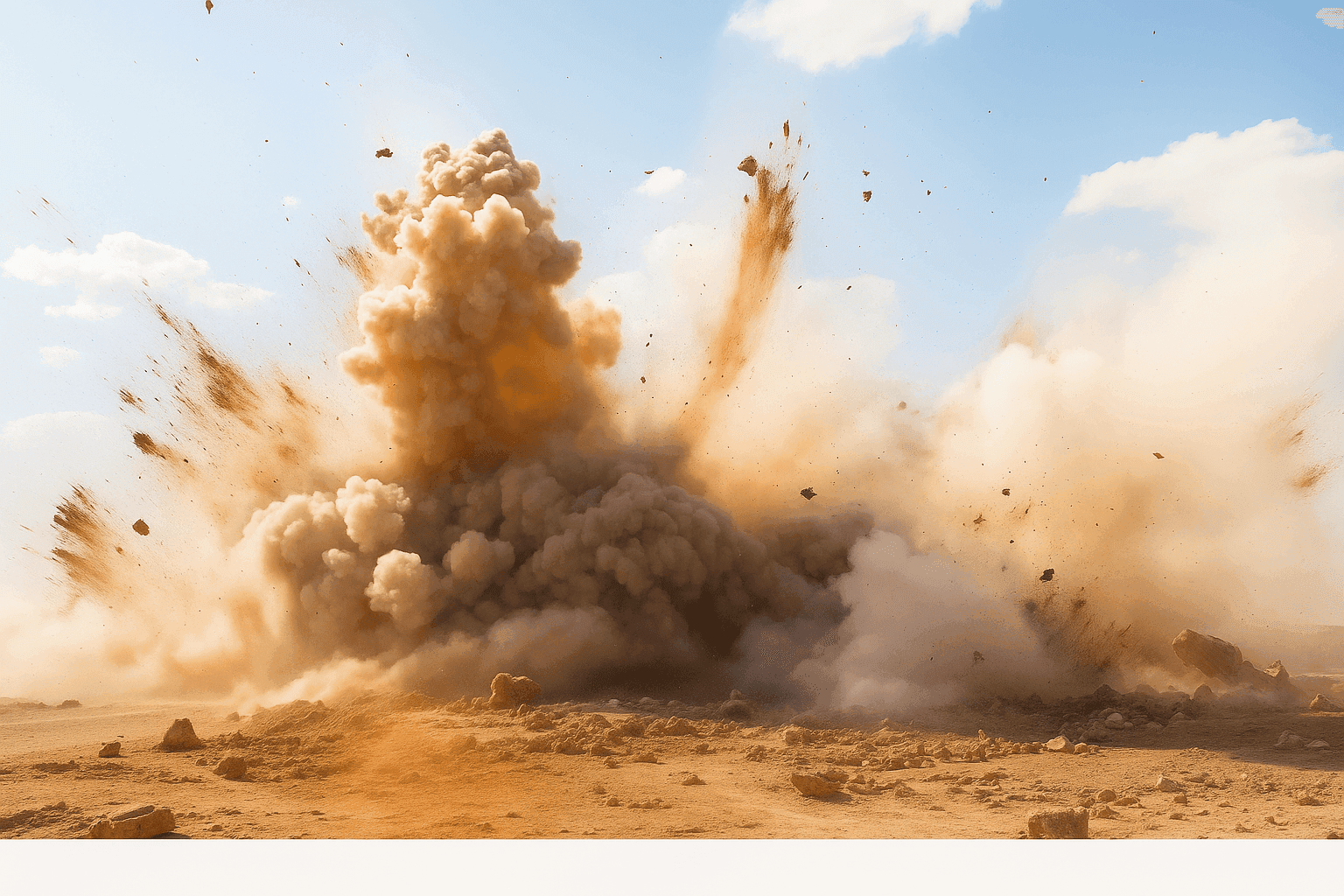
Explosions and prolonged gunfire struck several parts of Mali on Saturday morning, including areas close to the main military Barracks in Kati, Mali, outside Bamako.
Kati, Mali is especially significant because it is the home base of General Assimi Goïta, the country’s military leader, who first came to power after the army removed President Ibrahim Boubacar in August 2020. Since then, the military hierarchy around Bamako has become more consolidated rather than more open, with power concentrated around Goïta and senior officers aligned with the junta.
In reports from the affected zones, witnesses and security contacts indicated that troops were deployed to seal major roads around the area. Gunfire was also reported in Gao in northern Mali and in Sevare in the central part of the country.

Unclear Trigger Behind the Attacks
At the time of assessment, the cause of the explosions had not been clearly established, and no armed faction had immediately taken responsibility. In my experience, that kind of uncertainty often heightens concern in fragile states because it complicates both official response and investor interpretation of sovereign risk. Based on past patterns in Mali, investigators would naturally examine jihadist networks, sabotage against military targets, and the possible use of improvised explosive devices, which have become a recurring tactic in the wider conflict.
Mali has faced more than a decade of conflict tied to insurgency, jihadism, and wider terrorism pressures, while the military consolidated power through successive coups in 2020 and 2021. In practical terms, the country is better described today as facing a prolonged security crisis with insurgent and political dimensions rather than a conventional civil war, and the pattern in recent years has been one of persistent volatility rather than a clear de-escalation.
The authorities had pledged to improve national security, yet militant groups continue to dominate large stretches of the north and centre, carrying out repeated assaults against both the army and civilians.
A Wider Sahel Security Crisis
This crisis cannot be viewed in isolation. Since 2012, Mali and the broader West Africa region have been under pressure from networks tied to Al-Qaeda and the Islamic State, as well as local criminal formations and separatist actors. Areas such as Gao and Kidal remain central to any serious assessment of the country’s security trajectory.
| Militant Group | Affiliation | Area of Operation | Notable Activities |
|---|---|---|---|
| JNIM | Al-Qaeda-linked coalition | Central Mali, northern routes, and areas around key transport corridors | Attacks on army positions, ambushes, convoy disruption, and pressure on towns and roads |
| Islamic State in the Sahel | Islamic State-linked network | Border zones connecting Mali, Niger, and Burkina Faso, especially in the east | Raids on communities, clashes with rival militants, and territorial intimidation |
| Local Separatist and Armed Factions | Mixed local and regional agendas | Northern regions including areas around Kidal and Gao | Territorial competition, shifting alliances, and pressure on state authority |
I have observed over many years that instability in Mali has implications well beyond its borders, affecting regional confidence from Niger to Burkina Faso and influencing policy discussions in Senegal, South Africa, and at the United Nations.
From my perspective, instability in Mali is never only a domestic security problem; it is a regional risk event that reshapes confidence, trade flows, and policy calculations across West Africa.
Geopolitical Realignment and Russian Involvement
The military government in Mali, much like the ruling authorities in Niger and Burkina Faso, has distanced itself from France and several Western partners while strengthening ties with Russia.
Russian support had been channelled through the Wagner Group, which operated alongside Malian forces against jihadist elements from 2021. In June 2025, that mission was declared complete.
Since then, the structure has transitioned into Africa Corps, now operating under the direct authority of the Russian defence ministry. From a strategic standpoint, these shifts matter because external security partnerships shape fiscal priorities, state capacity, and long-term sovereign positioning in Africa.
Political Power Consolidation in Bamako
Although the junta had previously committed to returning power to civilians by March 2024, it instead intensified pressure on critics and dissolved political parties.
In July 2025, the authorities granted Goïta a five-year presidential term that can be renewed as often as deemed necessary, without an election. In my assessment, that move reinforced the concentration of power in Bamako while raising further questions about governance and institutional credibility.
Economic Pressure From Renewed Militancy
Since September, JNIM, an Al-Qaeda affiliate, has targeted fuel tanker convoys, creating severe supply disruptions. At the peak of the crisis in October, Bamako was effectively brought to a standstill.
Even after several quieter months, households and businesses continued to feel the strain. Residents again encountered diesel shortages in March, with available fuel redirected toward the energy sector.
I often advise that security breakdowns of this nature are not only military events. They transmit directly into the wider economy in ways that deepen strain across Mali and the broader West Africa corridor.
- Increased transport costs
- Reduced fuel access
- Rising inflation pressure
- Lower public confidence
International and US Response
From my assessment, the international response to Mali has become more fragmented as the security environment has worsened and the political transition has stalled. The United Nations, the African Union, and ECOWAS have each remained important reference points in diplomacy, mediation, and political pressure, even though their leverage has shifted over time and direct external engagement has become more constrained.
The United States has generally maintained a cautious position toward Mali’s military government, combining security concern with criticism of democratic backsliding. In practical terms, Washington’s stance has tended to support constitutional order, humanitarian assistance, and diplomatic monitoring rather than any endorsement of prolonged military rule.
Across the wider international community, the main tools have included sanctions pressure, diplomatic engagement, humanitarian support, and repeated calls for a credible political transition. In my view, those measures matter, but they have not yet resolved the deeper combination of militancy, weak governance, and institutional distrust now weighing on Mali.
IEDs and Corruption in Mali’s Security Crisis
Improvised explosive devices have become one of the most damaging tools in Mali’s conflict landscape. They are used to disrupt military movement, target convoys, restrict access to roads, and create fear far beyond the immediate blast zone. The effect falls not only on soldiers but also on civilians, traders, transport operators, and already fragile infrastructure.
Corruption is another serious concern. Mali has long faced governance weaknesses that affect public administration and confidence in state institutions, and those weaknesses can spill directly into the security sector through poor accountability, distorted procurement, and reduced trust between citizens and authorities. From my perspective, corruption does not explain every security failure, but it clearly makes a difficult crisis harder to manage.