I’m Kabiru Sadiq, and with more than 30 years of experience advising on investment strategy, public finance, and cross-border economic issues in Nigeria and West Africa, I assess this development as a significant diplomat-level engagement between Greece and Libya. From my perspective, the meeting in Tripoli, Libya reflects how migration pressures, energy interests, trade, and regional law are increasingly converging across the Mediterranean Sea.
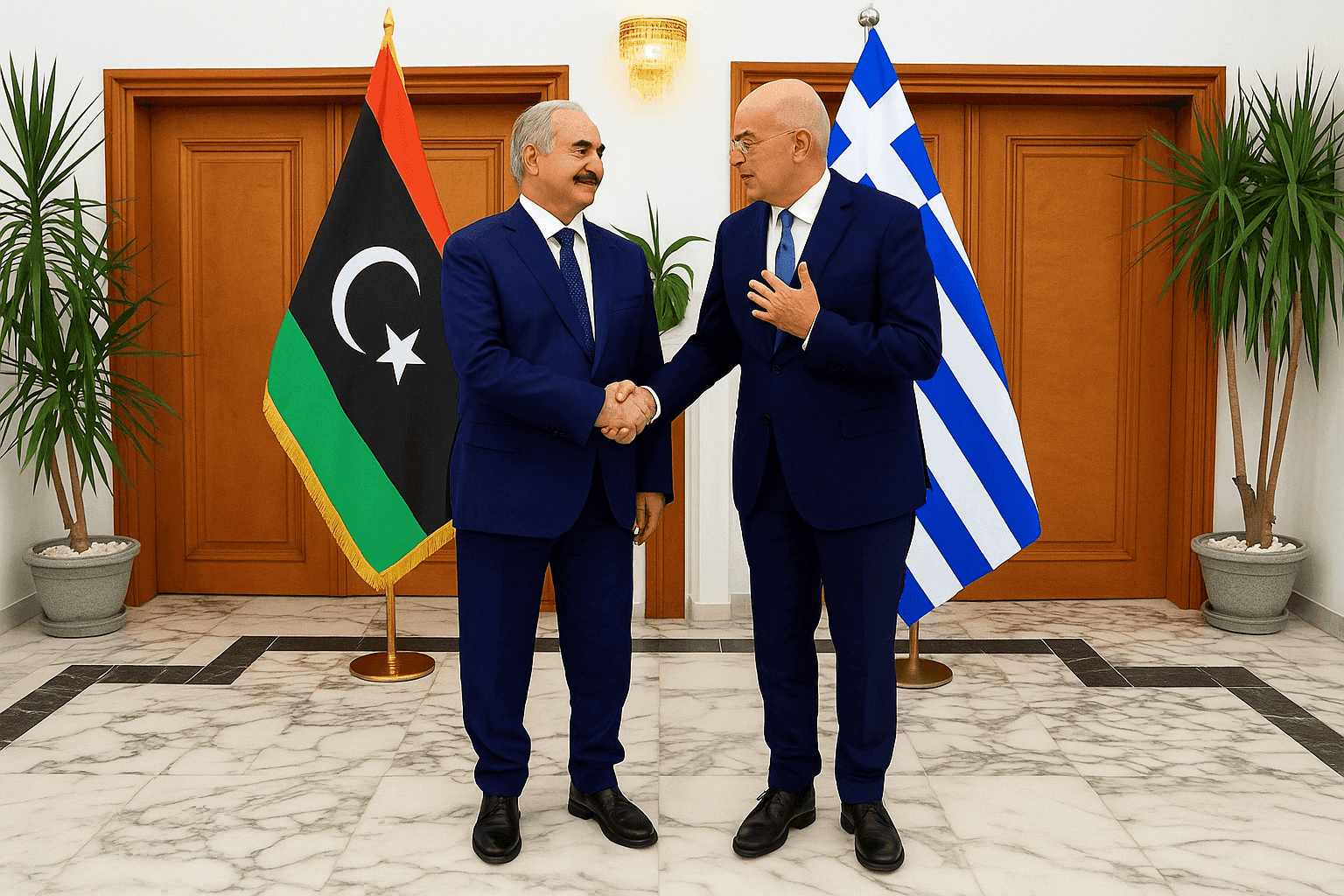
Greek Foreign Minister Giorgos Gerapetritis was warmly received in Tripoli on Monday, where he held discussions with his Libyan counterpart, Taher al-Baour.
Migration Pressures Dominate the Agenda
A principal focus of the talks was the sharp increase in migrants arriving in Greece from eastern Libya, a trend that has raised concern in Athens and across the European Union. In my experience, when such flows intensify, governments are compelled to respond not only through border controls but also through broader dialogue on enforcement, coordination, and shared responsibility.
Libyan officials indicated that both sides emphasized the importance of a comprehensive response built around:
- Burden-sharing
- Stronger security arrangements
- Training initiatives
That approach is consistent with what I have seen in other emerging-market corridors where migration, state capacity, and regional stability intersect.
Broader Economic Cooperation Also Advanced
The two ministers also reviewed opportunities to widen cooperation in strategic sectors with long-term implications for investment and regional integration between Libya and Greece:
- Energy
- Infrastructure
- Maritime transport
Al-Baour stated after the meeting that, alongside the pressing issue of irregular migration affecting Libya and the wider Mediterranean basin, both countries examined several areas of bilateral economic cooperation. From my perspective, this is an important signal that the relationship is being framed not only through crisis management but also through commercial and institutional engagement.
He also confirmed an agreement to facilitate reciprocal visits by Greek and Libyan business representatives, with the aim of building a sustainable partnership and allowing private-sector participants to engage directly with one another. I often advise that such business-to-business channels are essential when governments want trade ties to outlast political volatility.
Sustained dialogue, practical cooperation, and commercially grounded engagement usually give relationships like this the best chance of producing results on migration, investment, and regional stability.
Engagement With Libya’s Political Leadership
During the visit, Giorgos Gerapetritis also met Abdul Hamid Dbeibeh, who leads the Government of National Unity administration in Libya. In practical terms, engagement at that level shows that Athens is seeking direct coordination with the recognized authorities in Tripoli, Libya as it manages both migration and wider regional interests.
Any serious reading of Libya must also recognize the country’s internal political fragmentation, including the influence of Khalifa Haftar in the east and the importance of Benghazi in the broader national balance. Since the fall of Muammar Gaddafi, external partners have had to navigate a divided institutional landscape, and that reality continues to shape every major policy discussion.
Maritime Disputes Remain a Strategic Issue
The two countries also remain in disagreement over maritime boundary questions in the energy-rich waters near Crete. This dispute has implications for the exclusive economic zone, offshore resources, and the wider legal architecture of the Mediterranean Sea, especially as Turkey remains a central factor in regional maritime calculations.

At this stage, the talks appear to have preserved a channel for continued discussion rather than produced a final breakthrough on border demarcation. Both sides nevertheless reaffirmed their commitment to constructive dialogue on the matter in accordance with international law. In my assessment, that signals a process still centered on negotiation and diplomatic management, with no clear timetable yet established publicly for a final settlement.
From what has been indicated so far, there has been no announcement of a definitive agreement on the maritime file. The practical position from both sides seems to be that dialogue will continue, even as the legal, political, and energy dimensions remain sensitive. I regard that as important because unresolved demarcation questions can quickly affect energy investment, sovereign positioning, and diplomatic stability if not managed carefully.
Where to Find News on the Greek Foreign Minister’s Libya Activities
For readers who want to follow developments directly, I would look first at official government channels and established international news services that routinely cover diplomatic activity between Greece and Libya.
- Greek Ministry of Foreign Affairs: Official statements, visit summaries, and press releases on the foreign minister’s meetings and travel.
- Libyan government communication channels: Announcements from the Government of National Unity and the Foreign Ministry in Tripoli.
- Major international news agencies: Reuters and other global wire services often provide timely reporting on diplomatic meetings and regional negotiations.
- Embassy and consular updates: Greek diplomatic missions and related official outlets may also publish notices on bilateral engagements.
For Greece, Libya, and their regional counterparts, the challenge now is to translate diplomatic engagement into measurable outcomes on migration control, economic cooperation, and maritime understanding. I have seen across West Africa and other frontier regions that sustained dialogue, institutional clarity, and commercially grounded cooperation usually offer the best path forward when security and economic interests are so tightly linked.