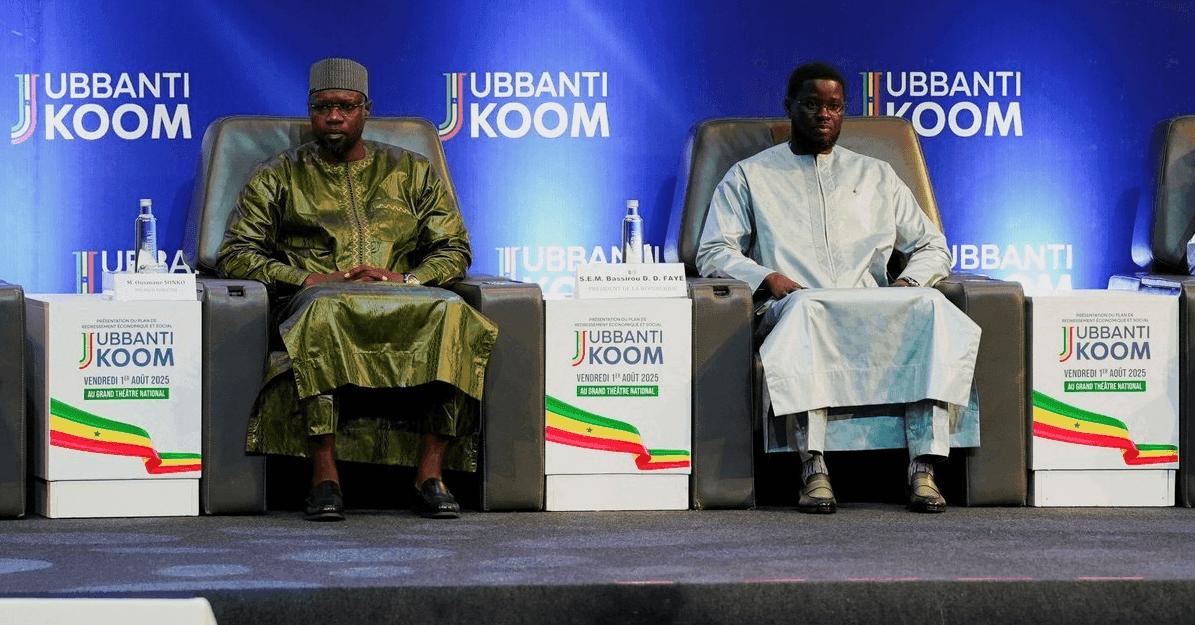
Senegal’s prime minister has stated that the government does not intend to pursue debt restructuring, even as the country faces growing repayment challenges and constrained access to international financing. The announcement comes amid heightened scrutiny of Senegal’s public finances and rising concern among lenders.
The government maintains that alternative solutions exist to stabilize the economy without renegotiating obligations with creditors.
IMF Concerns and Financing Strain
International financial institutions have raised alarms about Senegal’s debt position, noting that public debt reached historically high levels by the end of 2024. As a result, a major lending program worth nearly two billion dollars has been placed on hold, tightening liquidity and complicating budget planning.
The suspension has forced authorities in Dakar to rely more heavily on short-term financing options while searching for ways to cover immediate funding gaps.
Government Confidence in Debt Sustainability
Speaking alongside Mauritania’s prime minister, Ousmane Sonko said the administration remains confident that Senegal’s debt burden is manageable. He argued that restructuring is not the only path forward and insisted that the country can meet its obligations through internal adjustments and improved fiscal governance.
Sonko also accused the previous administration of understating the true scale of public debt, claiming that hidden liabilities contributed to the current situation.
Diverse Creditors and Market Reliance
Senegal’s debt is owed to a broad range of creditors, including commercial lenders and regional financial institutions. In recent months, the government has increasingly turned to regional bond markets to raise funds, a strategy that reflects both limited external support and confidence in domestic and regional investors.
As pressure mounts, the government faces the challenge of maintaining market trust while proving that its chosen path can restore financial stability without restructuring existing debt.