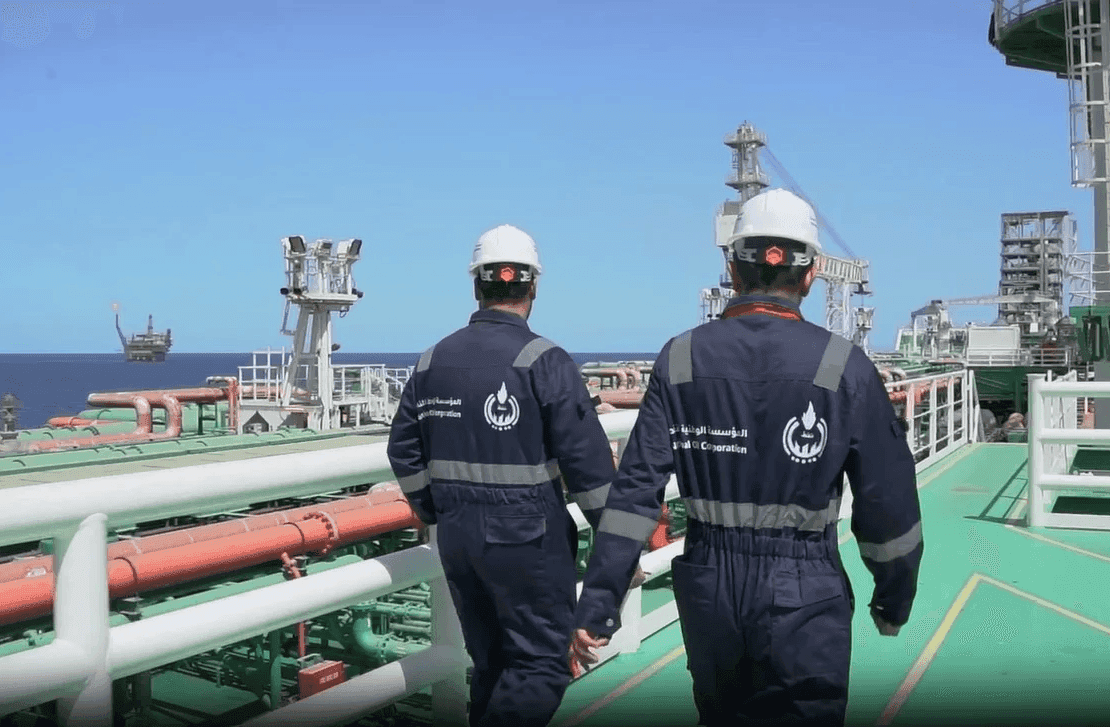
Libya has reopened its upstream energy sector to international investors, granting fresh exploration and production permits for the first time in nearly two decades. The move signals an effort to revitalize a key pillar of the national economy following years of political fragmentation and security concerns.
The latest licensing round reflects a broader strategy to restore investor confidence and expand crude output over the coming decades.
International energy majors return to Libya
Among the companies securing new rights are Chevron and Nigeria-based Aiteo. Several joint ventures also succeeded in the bidding process, including partnerships involving Repsol, BP, MOL Group, Eni North Africa, and QatarEnergy.
Five onshore blocks were ultimately awarded, while offshore areas—despite being part of the offering—did not attract bids during this round. Authorities indicated that additional tenders are expected before the end of the year.
Ambitious production targets
The North African nation currently pumps approximately 1.5 million barrels of crude per day. Officials have outlined plans to increase daily output by an additional 850,000 barrels within the next quarter century. Libya possesses the largest proven oil reserves on the African continent, estimated at 48.4 billion barrels, providing a strong foundation for long-term expansion.
Leadership at the National Oil Corporation emphasized that the renewed licensing process represents a return to structured institutional management in the energy sector. The corporation pledged transparent procedures and equitable access for investors while aiming to strengthen national revenues.
Industry revival after years of turmoil
Libya’s oil infrastructure has faced repeated disruptions since the 2011 uprising that led to the fall of longtime ruler Muammar Gaddafi, following military intervention by NATO. Ongoing political divisions and security incidents have periodically constrained production and discouraged foreign involvement.
Recent investment commitments suggest renewed confidence. Agreements signed last month with TotalEnergies and ConocoPhillips, valued at more than $20 billion, are designed to support higher production levels over the next 25 years.
Officials framed the latest licensing decisions as part of a broader economic recovery agenda aimed at restoring stability and encouraging sustainable growth within one of Libya’s most strategic industries.