Mali has begun to emerge from a prolonged fuel shortage after a large influx of petroleum products significantly boosted national supply. Authorities say the recent deliveries have helped stabilize distribution networks and brought relief to households and businesses affected by weeks of scarcity.
The operation represents one of the largest short-term fuel supply efforts in recent years and has already produced visible results on the ground.
Large-Scale Imports Restore Distribution
Over a ten-day period, more than 54 million liters of fuel entered the country through an intensive logistics effort involving nearly 1,200 tanker trucks. The majority of these deliveries took place in mid-January, with additional shipments following shortly afterward to reinforce supply levels.
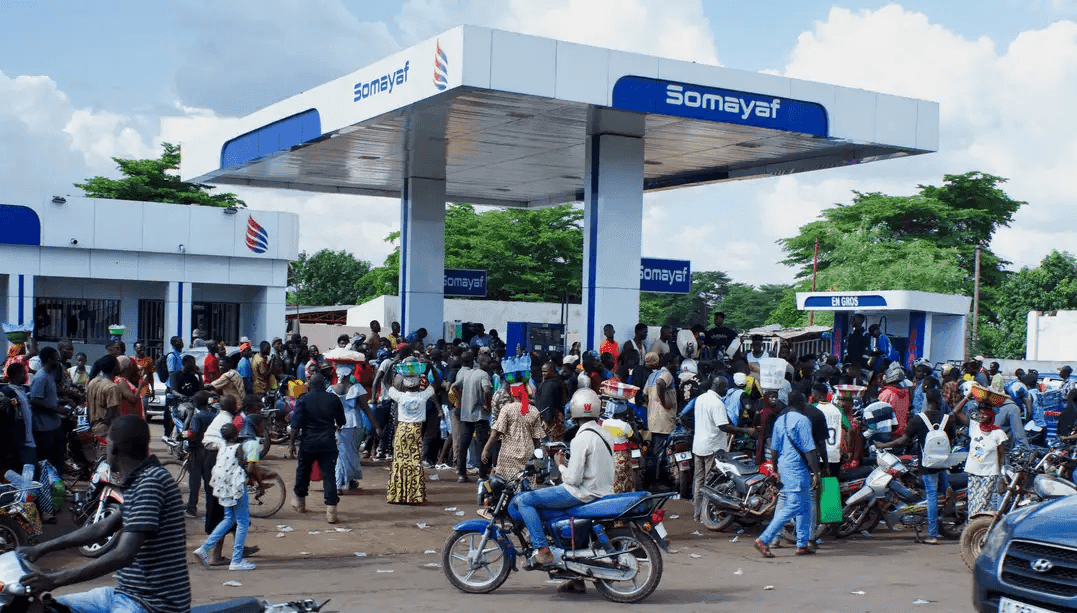
Officials reported that the first wave of imports sharply increased the availability of fuel at service stations, allowing distribution systems to operate at higher capacity than during the peak of the crisis.
Shorter Queues and Improved Access
The impact has been most noticeable in major cities, including the capital, where long lines at filling stations had become a daily challenge. As supplies improved, refueling rates rose and queues began to shrink, easing transportation bottlenecks and reducing disruptions to economic activity.
Businesses that rely heavily on fuel, such as transport and small-scale commerce, have also seen early signs of recovery as access to petroleum products improves.
Ongoing Risks and Need for Reserves
Despite the progress, authorities acknowledge that structural weaknesses remain. Discussions between government officials and petroleum sector representatives have pointed to ongoing issues with logistics, rationing, and the absence of sufficient emergency reserves.
With a period of high fuel consumption approaching, the government has highlighted the importance of building a strategic stockpile. Officials say this step is crucial to move beyond short-term crisis responses and toward a more resilient fuel market capable of withstanding future supply disruptions.