The tourism sector in Egypt continues to strengthen and remains a central pillar of the country’s economic activity. In 2025, the nation received nearly 19 million international travelers, representing a notable increase compared with the previous year. Tourism income also rose substantially, reaching approximately €14.17 billion and exceeding levels recorded before the global pandemic disrupted travel.
This rebound highlights the sector’s recovery after the sharp downturn experienced in 2020, when global travel restrictions caused revenue to collapse to roughly €3.85 billion. By comparison, Egypt generated about €11.6 billion from tourism in 2019 before the crisis struck.
Authorities anticipate further expansion in 2026, projecting moderate but steady growth in visitor arrivals and earnings. One major factor behind the improvement has been increased air connectivity, including a strong rise in charter flights bringing tourists to coastal destinations. New resort developments, such as El Alamein on the Mediterranean coast, are also helping broaden the country’s tourism map.
At the same time, Egypt is working to diversify the experiences it offers visitors. Cultural tourism, beach tourism, eco-tourism and wellness travel are all being promoted to attract different categories of travelers. Destinations including the Siwa oasis and the North Coast are becoming increasingly popular alternatives to traditional resort areas.
To accommodate rising demand, the government is expanding tourism infrastructure. Plans include building more than 200,000 additional hotel rooms and modernizing airport capacity across the country. Passenger traffic through Egyptian airports is expected to exceed 50 million annually, with Cairo serving as the primary international hub.
ECOWAS Confronts Political Strains
The Economic Community of West African States is currently navigating a period of institutional tension. The departure of Mali, Burkina Faso and Niger from the organization has reshaped the political landscape of the region. These countries have since formed their own regional alliance.
At the same time, disputes among remaining members are placing additional pressure on the bloc. A long-standing maritime boundary disagreement between Ghana and Togo has escalated after years of negotiations failed to produce a settlement. Ghana has chosen to pursue international arbitration, while Togo continues to advocate for dialogue and a diplomatic resolution.
Another diplomatic friction has emerged along the border between Guinea and Sierra Leone following allegations of troop incursions. Authorities in Sierra Leone have rejected the claims, but the episode has added to regional tensions.
These challenges arise as Senegal prepares to assume leadership of the ECOWAS Commission for the 2026–2030 mandate. Analysts say the organization’s ability to manage disputes and maintain cohesion will be crucial for its future credibility.
Papaya Farming Expands in Ivory Coast
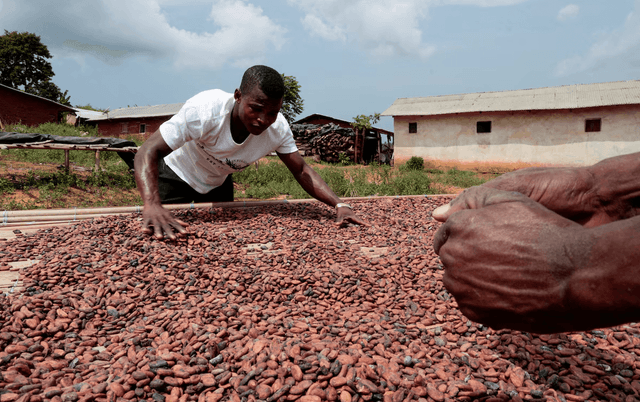
Agriculture in Ivory Coast is gradually diversifying as farmers explore alternatives to cocoa, the crop that has long dominated the country’s rural economy. Papaya cultivation is emerging as a promising option because it produces fruit quickly and offers potentially steadier returns.
Papaya trees can begin yielding harvests within about six months, and production can continue for more than two years. This is significantly faster than cocoa trees, which typically require several years before the first harvest appears.
The shift toward papaya has also been influenced by the decline in cocoa prices in recent years. Economists note that global cocoa values fell substantially between 2020 and 2025, reducing profitability for many producers and encouraging them to experiment with alternative crops.
Despite its promise, the papaya industry still faces structural challenges. Processing capacity remains limited, and logistical costs can be high for farmers trying to reach export markets. Experts believe that investment in processing facilities and supply chains could unlock additional value and help the country strengthen its position in regional fruit production.
Even at this early stage, papaya cultivation is gaining attention as a potential contributor to agricultural diversification and rural income in Ivory Coast.