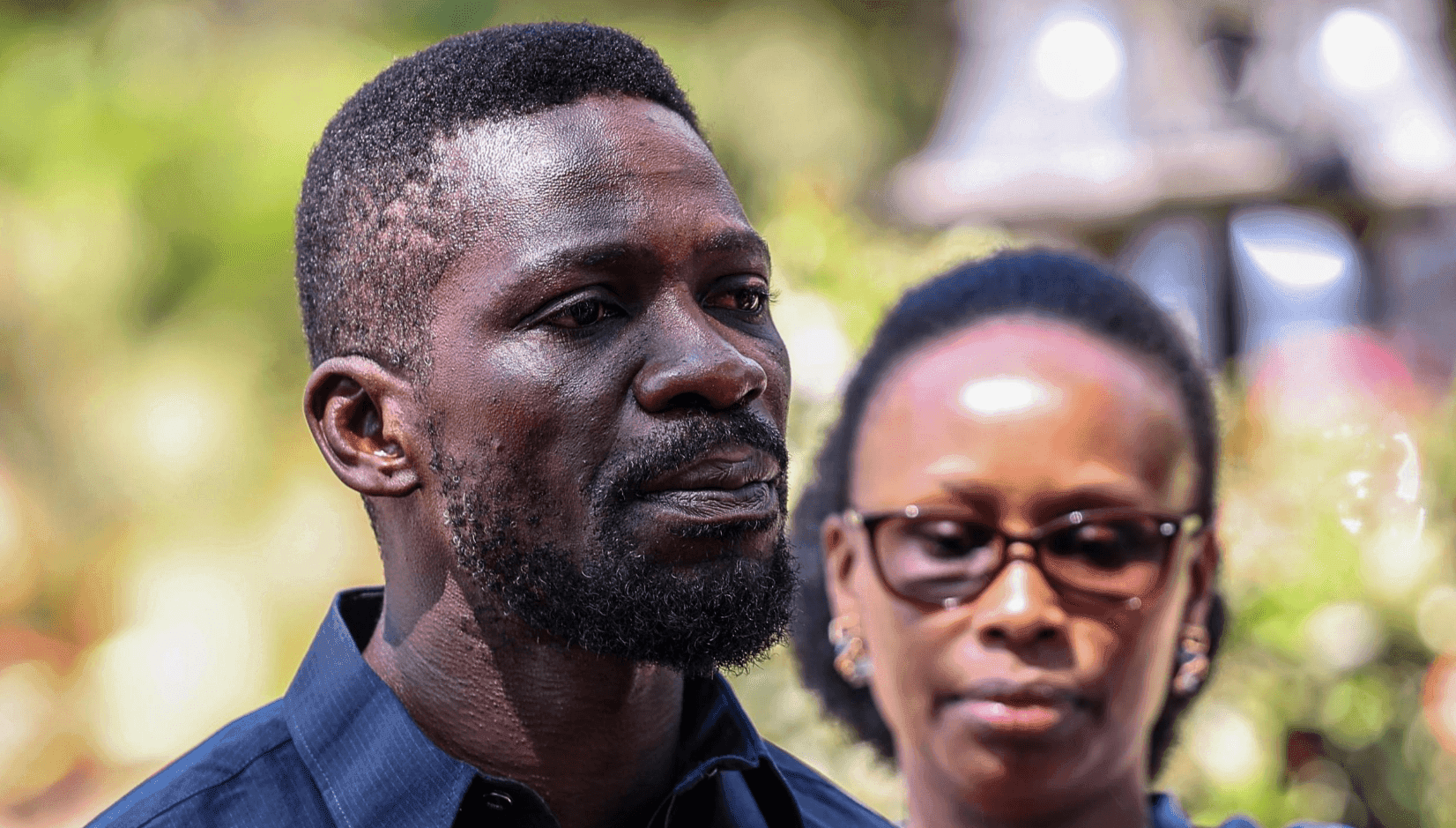
Ugandan police have dismissed reports that a leading opposition figure was arrested following the country’s highly contested general election. Officials described the claims as misleading and warned that spreading such information could fuel unrest as the nation awaits the official presidential results.
The denial comes at a time of heightened tension, with security forces deployed across the country and public anxiety growing over the outcome of the vote.
Election Tensions and Security Measures
Uganda held nationwide elections on Thursday under extraordinary conditions, including a multi-day internet blackout and a visible military presence in major cities. In several areas, protests broke out after parliamentary race results were announced, leading to sporadic clashes and an increased security response.
Police authorities said the opposition candidate was not in custody and remained free to move about. However, they acknowledged restricting access to his residence, explaining that the measure was intended to prevent gatherings that could escalate into violence.
Disputed Results and Political Rivalry
Preliminary tallies show the incumbent president, who has ruled the country for decades, maintaining a commanding lead with more than 70 percent of the vote. His main challenger, a former musician who entered politics in recent years, is trailing with roughly one-fifth of the ballots counted so far.
The opposition candidate has rejected the provisional figures, calling them illegitimate and urging supporters not to accept them. He has also accused authorities of manipulating the electoral process, including allegations of ballot tampering and intimidation of opposition representatives at polling stations.
Awaiting Final Outcome
The electoral commission is expected to announce the final presidential results within the constitutionally mandated timeframe. Officials insist the process remains on schedule despite logistical problems on voting day, such as delayed delivery of materials and technical failures with biometric equipment.
Uganda’s political history adds to the uncertainty, as the country has never experienced a peaceful transfer of presidential power since gaining independence. With past opposition figures imprisoned and ongoing allegations of repression, the current standoff underscores the deep divisions shaping the nation’s political landscape.