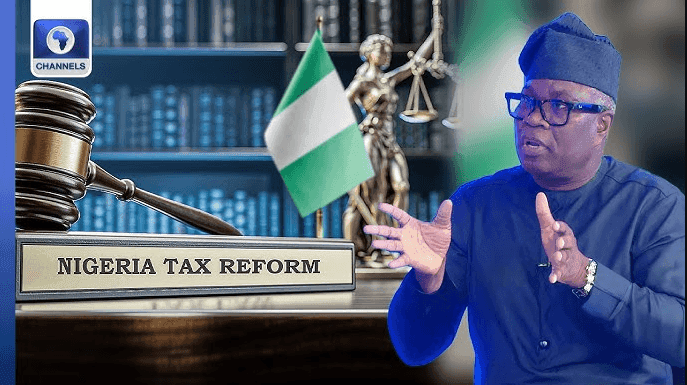
Nigeria is moving forward with a major rewrite of its tax system, pressing ahead with enforcement from January 1 even as lawmakers and critics warn of legal and procedural overreach.
President Bola Tinubu has framed the reforms as a defining moment for the country’s public finances. After scrapping fuel subsidies and allowing the naira to weaken sharply within his first year, the administration is now betting on taxation as the core lever for stabilising state revenues and reshaping fiscal policy.
A High-Stakes Fiscal Gamble
Government officials describe the new tax regime as a long-delayed correction—one designed to broaden the tax base, strengthen collection, and reduce Nigeria’s chronic dependence on borrowing. Tinubu has repeatedly characterised the effort as a generational reset, arguing that incremental tweaks would no longer suffice.
The reforms, however, have landed in a charged political environment.
Opposition Raises Red Flags Over Legal Authority
Opposition figures in parliament contend that the final version of the legislation diverges from what lawmakers originally debated and approved. According to critics, additional clauses appeared late in the process, triggering concerns over constitutional compliance.
Among the most contentious points are expanded enforcement powers for tax authorities. Lawmakers opposing the reforms warn that the laws could allow asset seizures without prior judicial approval and require disputed tax assessments to be paid before any legal challenge is considered.
Presidency Dismisses Calls for Delay
Tinubu has rejected calls to pause or revisit the rollout, insisting that none of the objections raised warrant postponement. In public remarks, he has urged businesses and citizens to focus on implementation rather than litigation, signalling that the government views the reform phase as complete.
At the same time, the president has attempted to temper criticism by pledging cooperation with lawmakers and reaffirming commitments to due process. Any technical or legal concerns, he said, can be addressed alongside enforcement rather than used as grounds to halt it.
Reform With Uncertain Political Costs
Whether the tax overhaul delivers its promised fiscal benefits—or deepens political friction—remains an open question. What is clear is that Nigeria’s leadership is choosing momentum over consensus, betting that decisive action now will outweigh the backlash in the months ahead.