Kenya is grappling with a worsening drought that is no longer confined to its traditionally arid northern regions. Following one of the poorest rainy seasons in decades, dry conditions are now affecting central and southern parts of the country, raising concerns about food security, livelihoods, and regional stability.
The lack of rainfall at the end of 2025 has pushed the situation beyond seasonal hardship into a nationwide challenge.
Failed Rains Trigger Widespread Water Stress
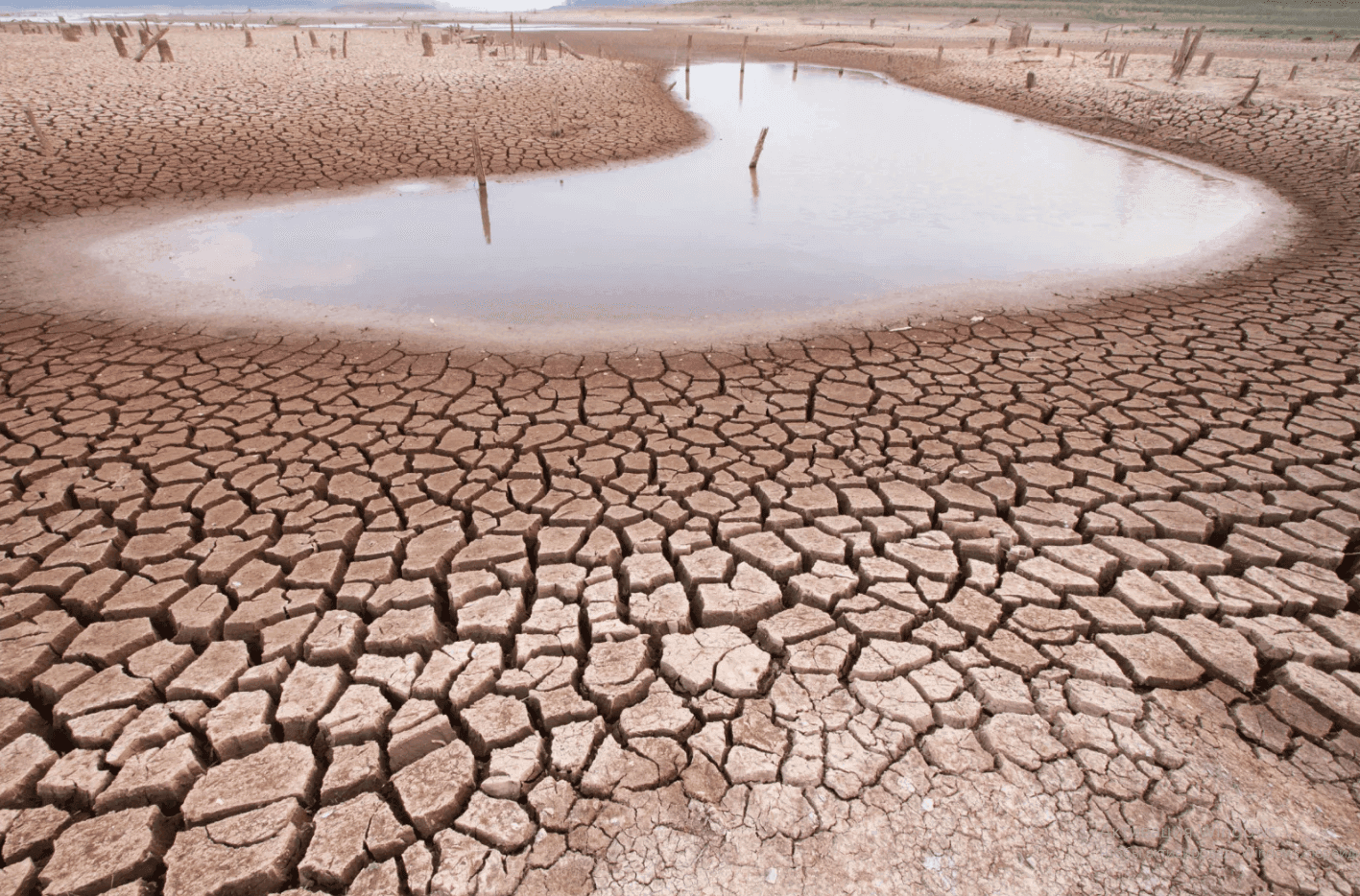
The October–December rainy season, which typically provides critical moisture for crops and grazing, fell far below expectations. Large parts of the country received only a fraction of their usual rainfall, with some areas recording the driest conditions seen in more than forty years.
As a result, soil moisture levels dropped sharply, water sources dried up, and vegetation failed to regenerate, setting the stage for a fast-spreading drought.
Counties Beyond the North Now Affected
Historically, drought in Kenya has hit hardest in the far north. This time, however, the crisis has extended well beyond those zones. Ten counties across eastern, coastal, and central Kenya have been classified in an early warning phase, signaling elevated risk.
One northern county has already been placed in a full emergency category, reflecting extreme stress on water, food, and livelihoods. Authorities warn that without improved rainfall, additional counties could deteriorate rapidly.
Pastoral Communities Suffer Heavy Losses
Livestock-dependent communities are among the hardest hit. Pastoralists, including Maasai herders, have reported major losses of cattle and goats as grazing land disappears and water points fail.
For these communities, livestock deaths mean not only food shortages but also the loss of income, cultural identity, and long-term resilience.
Regional Implications Raise Alarm
Kenya’s drought is unfolding alongside similar conditions in neighboring countries. Large populations in Somalia, Tanzania, and Uganda are also facing rising risks of hunger and malnutrition due to shared climate patterns.
Humanitarian agencies warn that if rainfall does not recover in the coming seasons, the combined impact could strain regional food supplies and increase displacement.
As Kenya confronts a drought that is broader and more severe than in previous years, the crisis is underscoring the growing impact of climate variability — and the urgent need for preparedness beyond traditionally vulnerable regions.