Benin’s latest parliamentary elections have resulted in a legislature made up entirely of parties aligned with the presidency. Official results released after voting in mid-January confirmed that no opposition group secured representation in the country’s National Assembly.
The outcome follows strict electoral rules that prevented opposition parties from translating votes into seats, reshaping the political balance ahead of upcoming national polls.
Electoral Threshold Blocks Opposition Entry
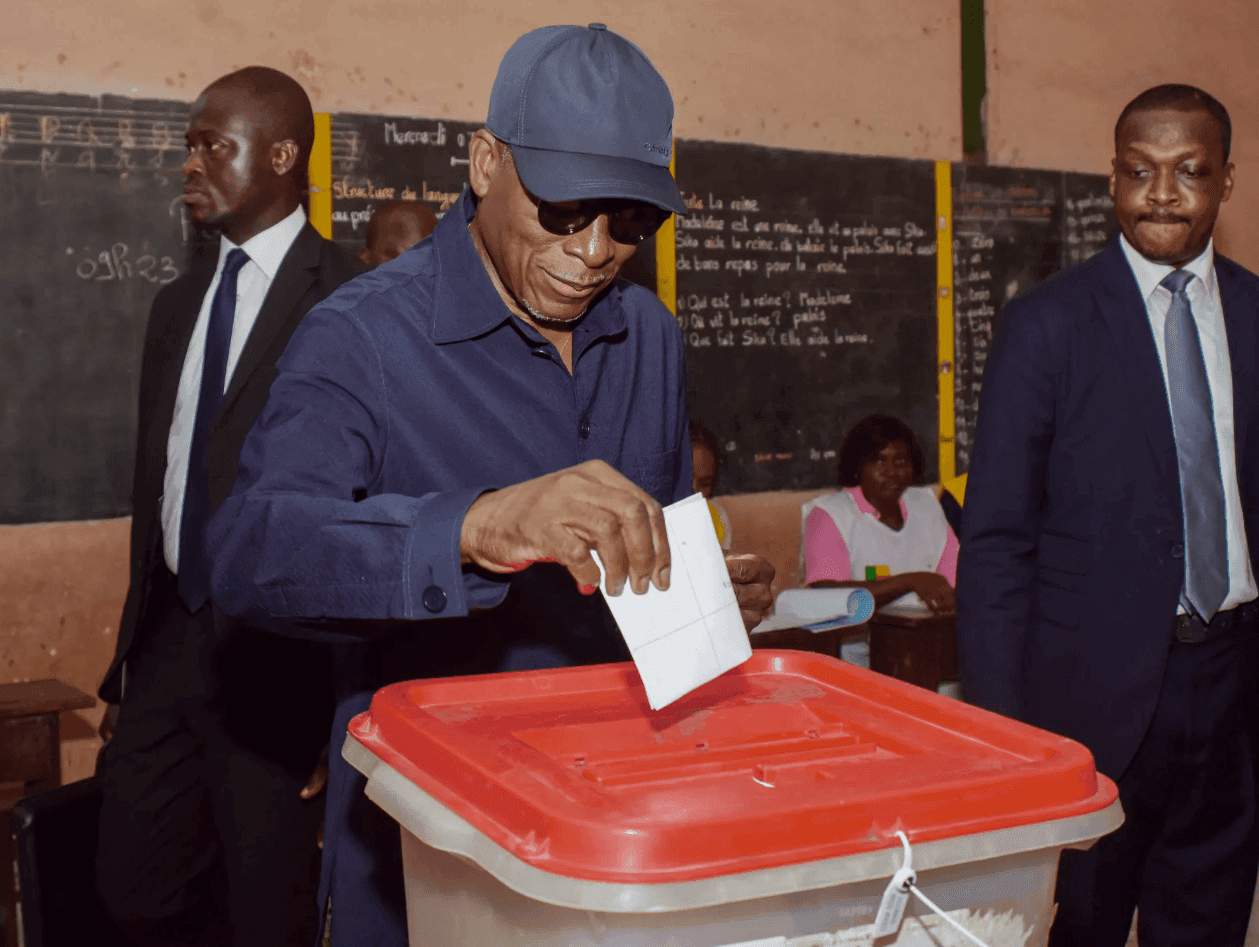
The vote for Benin’s 109-seat parliament took place on 11 January. While the main opposition party was permitted to contest the race, it failed to meet a legal requirement demanding at least 20 percent of the vote in every electoral district.
Because this benchmark was not reached nationwide, the opposition was excluded from seat distribution despite participating in the election. As a result, all parliamentary mandates were allocated to parties supporting the current president.
Government Coalition Sweeps Legislature
Two pro-government parties divided the entire National Assembly between them. The Union for Progress and Renewal emerged with the largest share, followed by the Republican Bloc, giving the ruling coalition complete legislative control.
This marks a rare situation in which Benin’s parliament will operate without any formal opposition presence, a development that has drawn attention both domestically and abroad.
Broader Political Context and Turnout
Local elections held simultaneously did not include opposition participation at all, as rival parties were barred from fielding candidates. The same opposition group is also expected to be absent from the presidential election scheduled for April, having failed to obtain the necessary sponsorships to register a candidate.
Voter participation in the parliamentary contest remained limited, with turnout slightly above one-third of registered voters. With all legislative authority now concentrated among government-aligned parties, observers are closely watching how this political configuration will influence governance, accountability, and public trust in Benin’s democratic process.