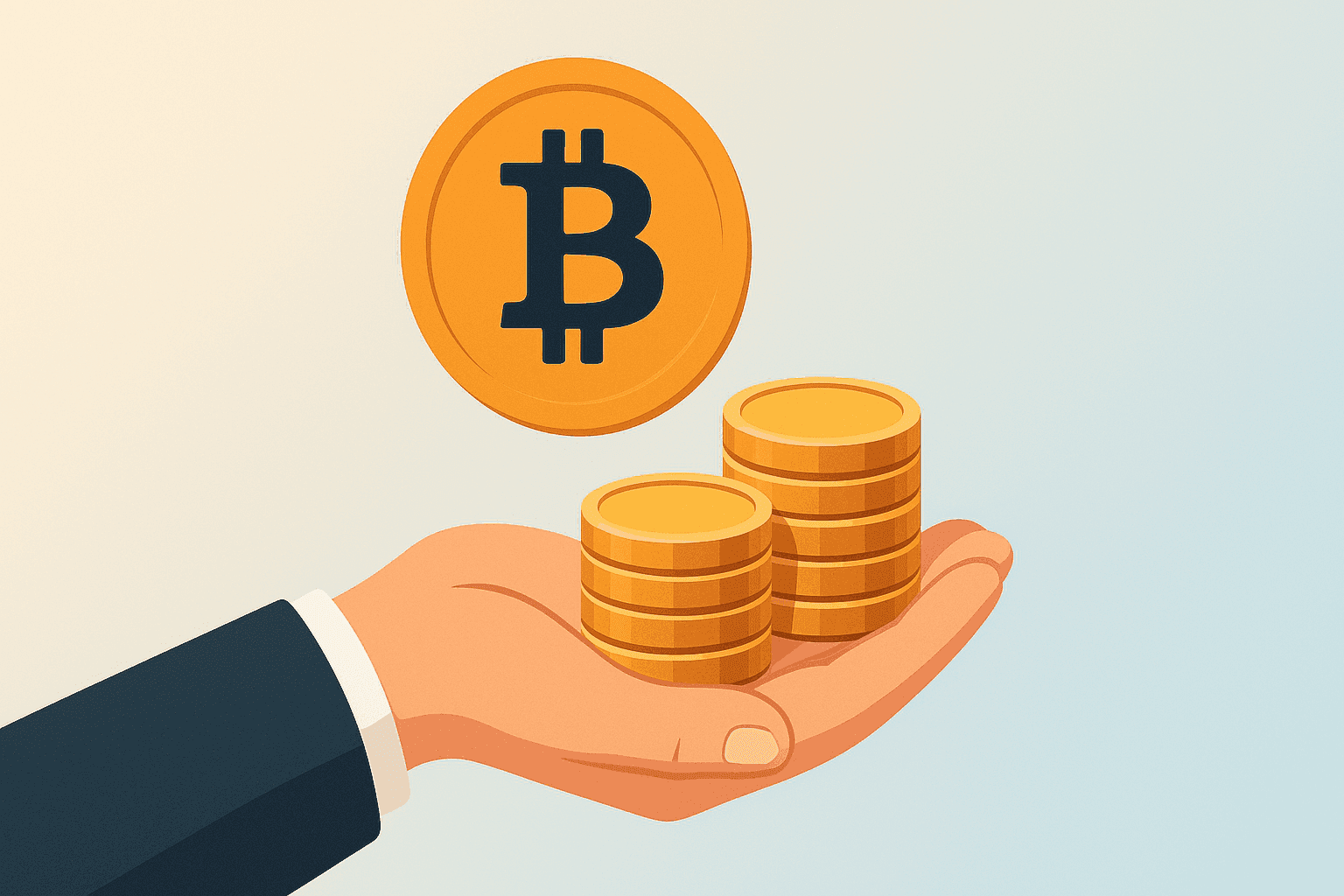
When people first encounter Bitcoin, prices often look abstract because BTC is highly divisible. At the lowest level, Bitcoin operates using satoshis, commonly shortened to sats. A satoshi is the smallest measurable piece of bitcoin, allowing the network to represent and transfer extremely precise values. Instead of cents, Bitcoin uses a much finer scale: one full BTC is divided into one hundred million units, making amounts as small as 0.00000001 BTC possible.
What a Satoshi Represents in Practice
A satoshi functions as Bitcoin’s fundamental accounting unit. Rather than thinking in whole bitcoins, the system internally measures balances and transfers in sats.
Three core ideas define satoshis:
- Minimum unit — a sat is the smallest divisible amount the Bitcoin protocol recognizes.
- Exact conversion — 1 BTC equals 100,000,000 sats, enabling micro-level pricing.
- Naming origin — the unit references Satoshi Nakamoto, the pseudonymous creator of Bitcoin.
This structure ensures that Bitcoin remains usable regardless of how high its market price rises.
Why Bitcoin Uses Satoshis Instead of Decimals
Sats exist to solve a precision problem. If Bitcoin relied on only two decimal places, like many fiat currencies, everyday pricing would quickly become impractical as BTC appreciates.
By dividing each coin into 100 million parts, Bitcoin allows:
- accurate valuation of very small transfers,
- on-chain recording without rounding,
- continued usability even at high BTC prices.
Even if one bitcoin were valued in the hundreds of thousands of dollars, a single satoshi would still represent a tiny fraction of value, keeping micro-payments viable.
Satoshis Inside Bitcoin Transactions
Although users often see BTC values in wallets, the Bitcoin ledger itself tracks everything in sats. This approach guarantees consistency and prevents precision errors.
Transaction fees are also expressed using satoshis. Instead of a flat amount, fees are quoted as satoshis per virtual byte (sat/vB), which ties cost directly to transaction size rather than transfer value.
Key implications:
- smaller transactions consume less block space,
- users can adjust fees to prioritize speed,
- the network preserves accurate accounting under heavy load.
Getting and Storing Satoshis Safely
Owning bitcoin effectively means owning satoshis. Acquiring and protecting them follows a straightforward process:
- Choose a wallet — software wallets offer convenience, while hardware wallets add stronger isolation.
- Buy BTC on an exchange — purchasing any fraction automatically gives you sats.
- Withdraw to your wallet — moving funds off the exchange ensures full self-custody.
- Secure your recovery phrase — store the backup offline to retain access under all circumstances.
Because every BTC balance is simply a sum of sats, even small purchases represent real ownership.
How Fees Are Calculated in Satoshis
Bitcoin fees are not fixed and fluctuate with network activity. During periods of congestion, users compete by attaching higher fees to encourage faster confirmation.
Fees work as follows:
- costs are measured in sats per virtual byte, reflecting data size;
- rising mempool congestion pushes fee rates upward;
- miners prioritize transactions offering higher sat/vB values;
- lower-fee transactions may wait longer during peak demand.
This market-driven mechanism aligns incentives while keeping the system decentralized.
Sats vs. Traditional Currency Units
Satoshis resemble the smallest units of fiat money but differ in important ways.
Compared with government currencies:
- Greater precision — Bitcoin supports eight decimal places, far more than fiat systems like USD.
- No central authority — sats exist on a permissionless network without central bank issuance.
- Fixed supply — Bitcoin’s total issuance is capped at 21 million BTC, unlike expandable fiat supplies.
These properties make sats both a pricing tool and a reflection of Bitcoin’s monetary design.
Everyday Use of Satoshis: What Comes Next
As Bitcoin adoption grows, many services are beginning to display prices directly in sats. This makes values easier to interpret, especially as one BTC becomes increasingly expensive.
However, challenges remain:
- price volatility can complicate budgeting,
- widespread micro-payments require low fees and fast settlement,
- user experience must improve for non-technical audiences.
Despite these hurdles, sats are gradually becoming the most intuitive way to interact with Bitcoin.
Lightning Network: Scaling Payments With Sats
For high-frequency, low-value transactions, Bitcoin relies on second-layer solutions. The Lightning Network enables instant transfers by opening payment channels where balances are tracked in sats.
Instead of recording every small payment on the base chain:
- transactions occur off-chain within channels,
- only the final balance is settled on Bitcoin’s main ledger,
- congestion is reduced while throughput increases dramatically.
This design allows millions of tiny sat-denominated payments without overwhelming the network.