People diving into crypto investing often wonder about the HODL meaning in crypto. Rather than a simple typo, it reflects a mindset: keep your cryptocurrency through violent swings and think in multi-year terms. In this guide, you’ll see how the term began, why it resonates with Bitcoin and other tokens, and how this investing strategy might fit your plan.
What Does HODL Mean in Crypto?
As internet slang, HODL started with a misspell of hold on a Bitcoin forum in 2013. A trader, reacting to dramatic price fluctuation, announced they would keep their coins instead of selling, and the slip of the keyboard morphed into a banner for staying the course during turbulence.
With time, the word gathered extra meaning. Many treat it as a playful backronym—often summarized as clinging on “for dear life”—and use it to describe a buy-and-hold approach tailored to the unique volatility of cryptocurrency.
The History of HODL
The origin traces back to a sharp Bitcoin slide in 2013. A forum user known as GameKyuubi, admitting to being a bit tipsy, typed an all-caps confession that he would keep holding rather than try to trade the chaos.
The meme spread through the blockchain community, and the typo evolved into a symbol of perseverance during short-term volatility. Over time, hodlers embraced it as cultural shorthand for staying invested despite sudden swings.
Why Do People Hodl?
- Belief in long-run value — Many see Bitcoin or Ethereum as breakthrough blockchain technology with potential to reshape finance, so they tolerate near-term volatility in pursuit of multi-year outcomes.
- Skipping market timing — Nailing perfect buy–sell points is notoriously difficult; by remaining invested, hodlers reduce the risk of poorly timed trades.
- Tax considerations — Realizing gains can trigger taxes; in some places, holding for more than a year may qualify for lower long-term rates.
When to Use the HODL Strategy
During phases of intense crypto market turbulence, investors focused on the distant future may prefer this approach. In early 2025, for instance, Bitcoin experienced dramatic moves and touched a high near $102,378. Even as some analysts floated bold paths—such as BlackRock’s Larry Fink suggesting that increased institutional participation might propel prices toward $700,000—volatility remained the defining feature.
This path best suits people with a multi-year horizon who don’t need immediate liquidity. Those who held through prior drawdowns, including the sharp pullback in 2020, later saw meaningful rebounds. If fast gains or quick access to cash top your priorities, this investment strategy may not fit your objectives.
How to Implement the HODL Strategy
- Define your objective and timeline — Decide the holding period and the outcomes you’re aiming for before you commit to hodling.
- Dollar-Cost Averaging (DCA) — Invest a fixed sum on a set schedule to smooth entry prices across volatility.
Example: Contributing $500 monthly to Bitcoin throughout 2025 spreads purchases across highs and lows, reducing the odds of buying only at peaks.
- Secure storage comes first — Choose a reputable hardware or software wallet to protect assets you plan to keep long term.
- Automate contributions — Recurring buys can help maintain discipline; automated investing tools from Public can keep you consistent.
- Consider diversification — Exposure via cryptocurrency ETFs, including Bitcoin exchange-traded funds, can balance risk without directly owning every token.
- Stay informed, but steady — Track major news and policy changes without reacting to every price move.
- Resist emotion — Stick to the plan during sudden drawdowns and avoid panic sells.
Pros and Cons of the HODL Strategy
Before adopting hodling, evaluate both advantages and drawbacks. While the idea echoes traditional buy-and-hold thinking, digital assets bring unique risks because of their extreme price moves.
- Pro — No need to predict short-term direction; avoiding constant timing attempts can reduce trading errors.
- Pro — Lower maintenance; less time spent monitoring every fluctuation.
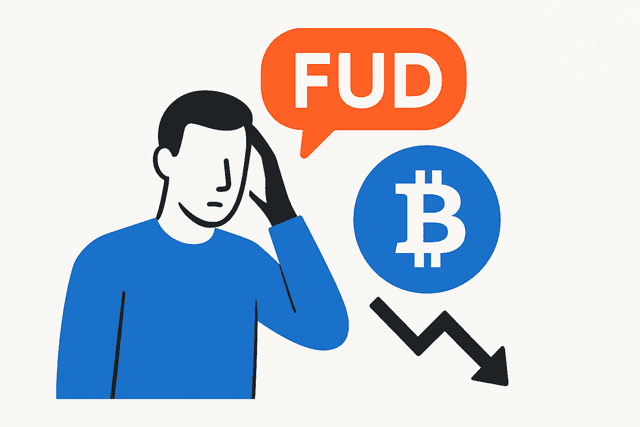
- Pro — Reinforces discipline, helping investors push back against fear, uncertainty, and doubt.
- Con — Short history for cryptocurrencies compared with stocks and bonds, so long-horizon outcomes remain uncertain.
- Con — Ties up capital that could be used for other opportunities in diversified portfolios.
- Con — High-risk asset class; values can swing abruptly and might not recover.
Alternatives to Hodling
Hodling isn’t the only way to engage with cryptocurrency. Two playful counterpoints—SPEDN and BUIDL—take different routes focused on usage and development.
- SPEDN (spend to drive adoption) — This approach promotes everyday payments with digital assets to grow real-world utility. By paying for goods and services with crypto, supporters aim to create a demand flywheel that can support value over time.
By 2025, large retailers such as Starbucks and Microsoft continued exploring or accepting Bitcoin for certain transactions, showing how payments can nudge broader acceptance.
- BUIDL (build the ecosystem) — Here, users and developers help advance blockchain technology and applications by funding or creating infrastructure that strengthens networks.
Progress on Ethereum’s roadmap and the rise of DeFi platforms illustrate how contributors who build can enhance long-term utility, aligning their investing strategy with ecosystem growth.
Choosing the Right Strategy for You
When weighing SPEDN, BUIDL, or hodling, start with your goals and how actively you want to participate. Spending requires day-to-day engagement, while building calls for time, capital, or both.
If you want help shaping a broader plan, research tools from Public and analyst insights—including Morningstar data available to Premium users—can support decisions aligned with your objectives.
Many investors mix approaches: hold a core position, spend a slice for real-world use, and contribute to projects that strengthen the network.
Comparing HODL and Traditional Buy-and-Hold Strategies
Hodling borrows from the traditional buy-and-hold playbook: sit through volatility to pursue long-term results. The key distinction lies in what drives value—crypto prices lean on adoption, demand, and sentiment, whereas stocks and ETFs reflect earnings, dividends, and economic growth.
Here are the major contrasts between digital assets and equities:
- Focus — Crypto hodling emphasizes staying invested through large moves; stock buy-and-hold targets multi-year compounding.
- Asset types — Tokens tend to be more speculative; shares and funds lean on fundamentals like profits and cash flow.
- Market behavior — Crypto can see double-digit daily swings; equities usually trend upward across decades with periodic setbacks.
- Risk level — Greater regulatory and technological uncertainty in crypto; more predictable frameworks in established markets.
- Emotion — Both approaches discourage selling into declines, but crypto drops can be sharper and faster.
- Evidence — Limited multi-decade history for tokens; more than a century of stock data supports long-run growth.
- Value drivers — Adoption and network effects in crypto versus company performance in equities.
- Ideal fit — Better suited to risk-tolerant investors for crypto; conservative or moderate profiles may prefer traditional assets.
The Bottom Line
HODL began as internet slang and matured into a long-term mindset for cryptocurrencies. Whether you choose to hodl, spend, or build, the right mix depends on risk tolerance, time horizon, and goals.
If you’re comfortable with volatility, combining a core position with dollar-cost averaging and optional exposure via crypto ETFs can be practical. If you prefer a hands-on role, SPEDN and BUIDL offer different ways to engage the blockchain economy.
However you proceed, results typically follow from planning, research, and consistent execution.