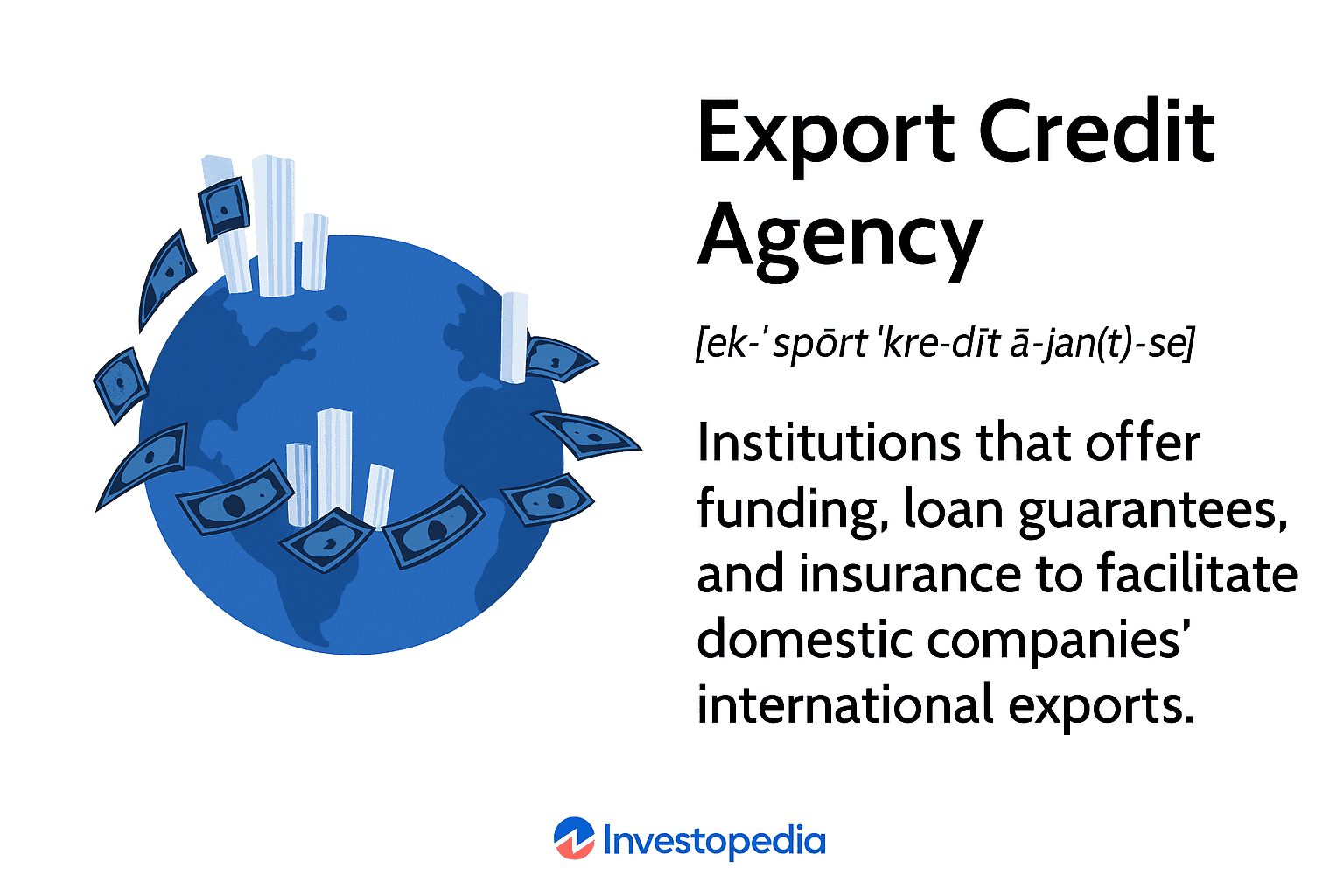
Despite frequent searches for “ECA meaning” in crypto contexts, ECA in finance typically denotes an export‑credit agency — a public or private institution that supplies trade financing plus other forms of support so domestic businesses can sell abroad. These entities reduce cross‑border exchange uncertainty by extending loans, providing credit backing, and offering risk cover that helps exporters enter overseas markets.
By helping firms reach customers in other countries, these agencies bolster the home economy and sustain employment. Depending on the jurisdiction, they may be fully governmental, quasi-public, or commercial financial institutions.
In crypto slang or online discussions, “ECA” does not have a single, widely agreed informal definition. In many cases, it is simply the same export‑finance abbreviation used outside crypto, or it is used loosely in posts and searches where the intent is to decode the acronym rather than reference a specific crypto concept.
Separately, “CA” in crypto discussions commonly means “contract address” — the on-chain address of a token or application’s smart contract. You’ll often see phrasing like “share the CA” or “verify the CA” so others can confirm they’re interacting with the correct contract.
Global ECAs: An Overview
When risk‑averse private lenders retreat from export finance, ECAs step in to keep deals moving. As of 2026, thirty-nine official programs around the world provide funding that supports sales of products and services overseas. They are pillars of many national industrial strategies, arranging state‑backed loans, risk cover, and credit protection in some of the most volatile markets.
ECA Offerings: Financing and Risk Cover
In international trade, ECA support can lower risk compared with purely private credit because obligations often carry sovereign backing. These agencies frequently anchor large project‑finance transactions and complex export deals. Institutions such as EXIM bridge funding gaps when private creditors are unable or unwilling to lend.
Governments deliver officially supported export credits through ECAs to help national suppliers compete for international contracts. Typical instruments in the offering include:
- Direct financing
- Refinancing
- Interest-rate support
- Insurance
- Guarantees
Examples of assets an export‑credit agency may help finance or protect include commercial aircraft, ships, rail equipment, heavy machinery, power-generation equipment, telecommunications infrastructure, and large industrial or construction projects tied to cross‑border sales. In crypto, “ECA assets” is not a standard term; when it appears, it is usually referring back to export-related real‑economy exposures rather than a distinct category of digital assets.
How EXIM Serves U.S. Exporters
The Export‑Import Bank of the United States (EXIM) is an independent agency within the Executive Branch, backed by the full faith and credit of the United States, whose mission is to sustain American jobs by facilitating the export of U.S. goods and services.
Where Can You Find Information on ECAs?
The Organisation for Economic Co‑operation and Development maintains an official list of export‑credit agencies worldwide.
“ECA” can also refer to the European Casino Association, a trade group representing licensed, land-based casinos in Europe. Its role is generally to represent member interests and engage on industry issues such as regulation, compliance, and responsible gambling.
What Is Export Credit Coverage?
Export credit coverage protects an exporter of goods or services against the risk that a foreign buyer fails to pay.
eCash was an early digital cash system designed for online payments, developed and commercialized through DigiCash. It predates modern cryptocurrencies, but it is not considered the first cryptocurrency because it relied on a centralized issuer rather than a decentralized network and consensus process.
Conceptually, eCash worked by having a user obtain digitally signed “cash” from an issuing institution and then spend it with merchants, who would redeem it back with the issuer. A key mechanism was the use of cryptography to allow the issuer to validate authenticity while supporting strong user privacy.
The legacy of eCash is significant in online security and later cryptocurrency design: it helped popularize privacy-preserving payment concepts and practical uses of modern cryptographic techniques for digital money. Its ideas influenced subsequent work on secure online payments and informed later discussions about private, internet-native cash.
The Takeaway
Export‑credit agencies provide funding, risk cover, and credit protection that underwrite overseas trade transactions. The Organisation for Economic Co‑operation and Development keeps the roster of official ECAs around the globe.