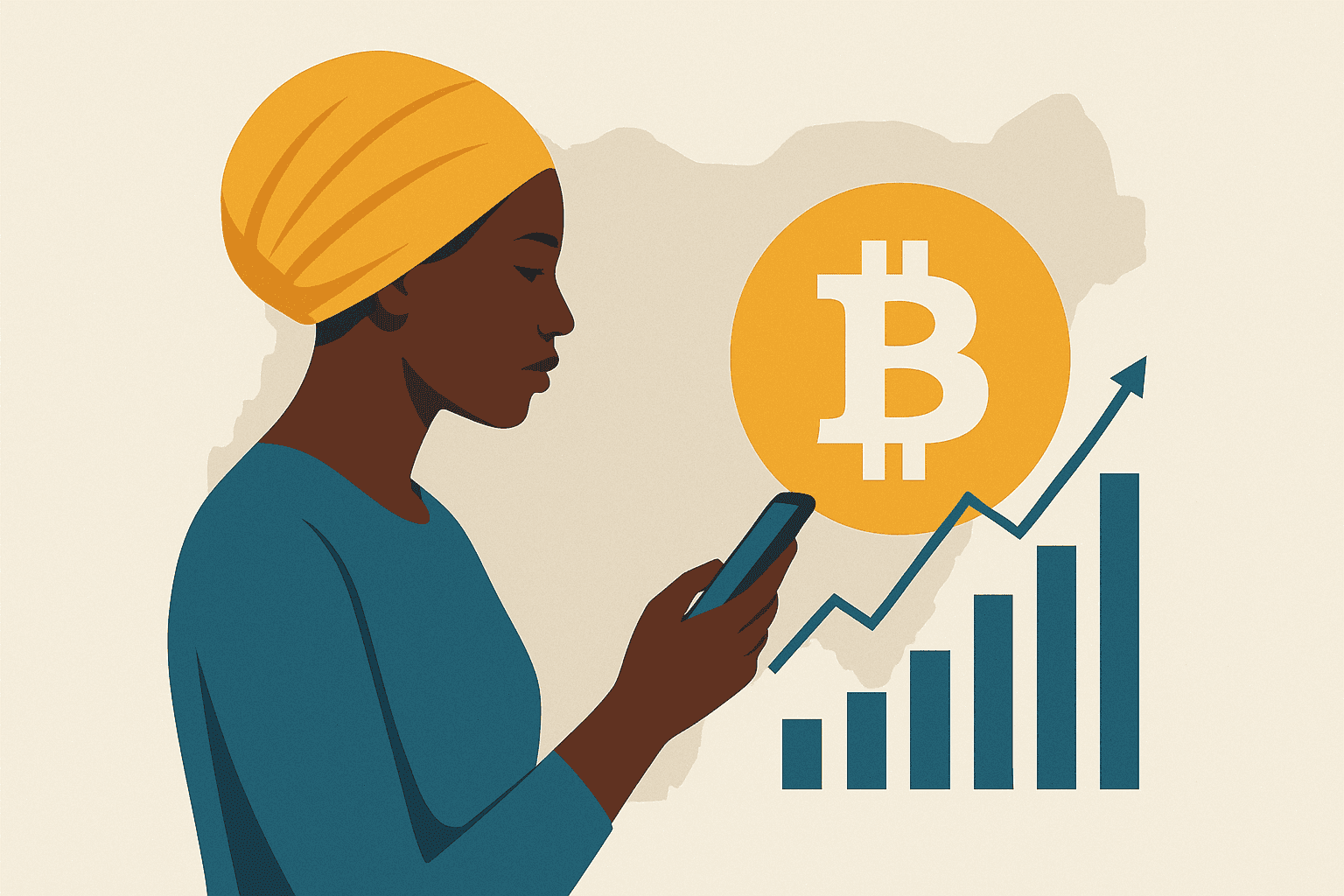
Interest in digital assets has surged locally and worldwide, and crypto markets in Nigeria are now on the radar of many first-time investors. From Bitcoin and Ethereum to emerging tokens, Nigerian traders are exploring opportunities while also considering how markets behave, what oversight exists, and how to manage risk. This guide distills core concepts, tools, and safeguards to help you navigate the space with clarity.

Is Crypto Trading Legal in Nigeria—and Is Crypto Still Operational?
Yes—individual crypto trading is generally permissible in Nigeria, but access and permitted activities depend on evolving compliance requirements from regulators and how platforms handle identity checks and banking-related processes. Crypto trading is still operational today through exchanges that support naira transactions, wallets for custody, and P2P marketplaces, with availability often shaped by platform rules and verification.
- Trading status: legality is affected by compliance expectations and the specific service you use (exchange, brokerage, custody).
- Operational access: you can typically buy, sell, and store crypto using supported platforms and wallets, provided you complete required checks (KYC/AML).
- Banking link: naira deposits and withdrawals may depend on platform payment rails and banking partner policies.
- Practical takeaway: always verify what a platform is actually licensed/authorized to do before you rely on it for deposits, custody, or cash-outs.
What Cryptocurrencies Are and How They Work
Cryptocurrencies are blockchain-native units secured by cryptographic proofs and governed without a central authority. While BTC is the best-known asset, thousands of alternatives offer distinct utilities, from payments to smart contracts. Before committing funds, study each token’s purpose, supply model, and community to judge long-term potential.
Choosing a Trustworthy Exchange in Nigeria
Select a crypto exchange that operates transparently, supports naira transactions, and follows local rules. Using an exchange with local payment rails can make it easier to deposit and withdraw in naira, access support, and align with compliance expectations that may affect banking and payouts.
When evaluating an exchange, use a checklist like this:
- Engagement with Nigerian SEC and CBN
- Clear fee structure
- Robust security measures
- Responsive customer support
- Transparent account requirements
- KYC procedures
- Exchange license or compliance documentation
If you’re asking which platform is “best,” focus on fit: security controls (such as 2FA and withdrawal protections), reliable liquidity for the pairs you plan to trade, competitive fees, and a cash-out path that works in Nigeria for your preferred funding method. Traders in Nigeria often use a mix of large global exchanges and P2P marketplaces; examples you may see include Binance (P2P), OKX (P2P), Bybit (P2P), Luno, Quidax, Yellow Card, and GC Buying. The right choice depends on what matters most to you—cost, speed of naira cash-outs, coin selection, and support during account or dispute issues.
| Exchange/Platform | Naira support | P2P availability | KYC | Fees (how to assess) | Security features (examples) | Best use case |
|---|---|---|---|---|---|---|
| Binance (P2P) | Often supports naira trades via P2P | Yes (P2P marketplace) | Typically required | Check maker/taker and P2P pricing per order | Use 2FA and review withdrawal controls | Frequent P2P users who want broad market access |
| OKX (P2P) | Often supports naira trades via P2P | Yes (P2P marketplace) | Typically required | Compare P2P rate premiums and any trading fees | Use account hardening tools (e.g., 2FA) | Traders comparing P2P liquidity and order options |
| Bybit (P2P) | Often supports naira trades via P2P | Yes (P2P marketplace) | Typically required | Review order pricing and transaction costs | Enable 2FA; keep withdrawal settings strict | Users who prefer a P2P-led funding workflow |
| Luno | May offer naira-enabled access depending on region and features | May vary by offering | Typically required | Review its fee schedule for trades and withdrawals | Use 2FA and follow wallet safety steps | Beginners looking for a simpler buy/sell flow |
| Quidax | Often positioned around Nigeria-focused access | May vary | Typically required | Check trade and withdrawal fees on the platform | Enable 2FA and verify withdrawal addresses | Nigeria-based users prioritizing a familiar cash-out route |
| Yellow Card | Often used for naira access routes | May vary | Typically required | Confirm fees before completing the order | Use account security settings | Users who want a guided, cash-out oriented experience |
| GC Buying | Often used for naira-related purchases via local routes | May vary | Typically required | Confirm costs per deal and delivery terms | Use platform security options; avoid off-platform deals | People who already understand the local ordering process |
To buy and sell crypto in Nigeria, think in phases: fund → trade → store → cash out. The exact buttons differ by platform, but a beginner workflow usually looks like this:
- Create an account and complete identity verification (KYC).
- Choose funding: bank transfer (where supported), card (where available), or P2P funding through the exchange marketplace.
- Pick an order type: a market order for faster execution or a limit order to control the price you accept.
- Confirm network and wallet details when withdrawing—double-check addresses and chain/network selection.
- Store the assets: keep them on the exchange if you plan to trade actively, or move them to a dedicated wallet for better long-term safety.
- Sell using a sell order, then withdraw the proceeds to naira using the platform’s bank payout options or a P2P route, depending on what is available for your account.
Example flow (from signup to naira cash-out): You sign up, complete KYC, fund your account via P2P with naira, buy BTC using a market order, move BTC to your wallet if you’re not trading immediately, then later place a sell order for BTC. After the sale completes, you withdraw in naira through the platform’s supported payout method (bank or P2P), following the platform’s steps for cash-out confirmation.
Small starting amounts are sometimes possible because many assets can be purchased fractionally. Whether you can invest 1,000 naira depends on the platform’s minimum order size and fees, so check the minimum trade amount for the specific coin and market before you commit. Start with a simple spot purchase and keep fee impact in mind so costs don’t outweigh your position.
Setting Up a Secure Wallet
After purchasing coins on a platform, protect them with a dedicated wallet. Hot wallets connect to the internet for convenience, while cold wallets keep keys offline for stronger protection. Many beginners use a hot wallet for small, frequent transactions and a cold wallet for long-term storage—always back up your seed phrase securely.
Build Knowledge Before You Trade
Education reduces costly mistakes. Learn market structure, chart analysis, and order types, and understand liquidity and slippage. Courses, reputable blogs, and community forums can deepen your understanding of cryptocurrencies, platforms, and strategies so you can make evidence-based decisions.
Practical Risk Management for New Traders
Price swings can be sharp, so protect your capital with a defined plan.
- Use position sizing
- Set stop losses
- Avoid investing more than you can afford to lose
- Diversify across assets and sectors
- Be cautious with leverage
Nigeria’s Evolving Regulatory Landscape
Policy toward virtual assets continues to develop. Crypto trading by individuals is generally treated as permissible, but day-to-day access is shaped by compliance requirements and oversight expectations. In practice, what you can do is often determined by platform policies, banking partner requirements, KYC/AML controls, and how regulators supervise different activities.
It’s also important to separate legality from legitimacy. Something can be permitted to trade yet still be risky to execute due to platform quality, custody arrangements, or scam-prone behavior in certain channels. “Legit” usually comes down to whether the platform is transparent, security-minded, compliant with applicable rules, and consistent about handling deposits, withdrawals, disputes, and customer complaints.
As the Nigerian SEC issues rules and guidance for digital-asset activity, investor protection goals generally include stronger disclosures, clearer conduct standards for operators, AML/KYC requirements, and expectations around safeguarding customer funds and handling complaints. This is why an exchange’s compliance posture and documentation matter—not just the features shown in the app.
Regulatory compliance is not just paperwork; it’s a practical layer of risk control that can reduce fraud exposure, improve transparency, and set clearer expectations for how customer assets are handled.
Where a “crypto license” or authorization applies, it typically covers specific virtual-asset services rather than giving blanket permission for everything. Depending on the category and scope, permissions may include operating an exchange marketplace, providing brokerage/dealing services, custody of client assets, facilitating token offerings or distribution, and related transfer or settlement services. Always confirm what activities a platform’s approval or registration actually covers before relying on it.
Stay current with updates from agencies such as the Nigerian SEC and CBN so your activities remain aligned with regulation.
How Crypto Is Taxed
Crypto gains may be taxable in Nigeria, and obligations often depend on the nature of each transaction and whether you are trading as an individual or as a business. Common taxable events can include selling crypto for naira, swapping one token for another, converting to fiat through an exchange or P2P sale, and receiving crypto as payment for goods or services. Keep accurate records, review guidance from the Federal Inland Revenue Service (FIRS) and any applicable Nigerian tax rules, and consult a knowledgeable professional if needed. Good documentation simplifies reporting and supports clarity with local authorities.
Keep Thorough Transaction Records
Track every trade and transfer so you can evaluate performance, verify balances, and streamline tax reporting. A spreadsheet or portfolio tracker can automate much of this process.
Column guide: Date = when the trade/transfer occurred; Amount = quantity of the asset; Trading Pair = market used (for example, BTC/USDT); Naira Value = estimated NGN value at execution time; Fees = total fees paid for the transaction; Transaction ID = exchange order ID or blockchain transaction hash.
Security Habits That Protect You Online
- Guard against phishing
- Avoid fake apps and impostor domains
- Use unique, complex passwords
- Enable 2FA on exchange and wallet
- Review device security regularly
- Be skeptical of unsolicited messages
- Never share private keys or recovery phrases