Zambia’s government has officially described the ongoing fuel shortage as an emergency situation, as global oil market instability continues to affect both fuel availability and prices across the country.
Even though Zambia is located far from the Middle East conflict zone, the country is still experiencing the consequences of disruptions in global oil transportation. Problems with shipping routes through the Strait of Hormuz have affected fuel deliveries, which has led to shortages and rising costs throughout the country.
Residents say the fuel situation has made everyday life more difficult. Drivers often have to travel between multiple petrol stations to find available fuel, and transportation expenses have increased noticeably. Business owners say the situation is affecting logistics, deliveries, and daily operations, reducing profits and slowing economic activity.
Energy specialists warn that the issue is not limited to Zambia. Many African countries rely heavily on imported fuel delivered through international shipping routes, which makes them vulnerable to global supply disruptions. As a result, changes in global oil transportation can quickly lead to higher fuel costs and supply problems across the continent.
Experts also point out that availability may become a bigger problem than price increases if supply disruptions continue. In such a scenario, some countries could face actual fuel shortages rather than just higher prices.
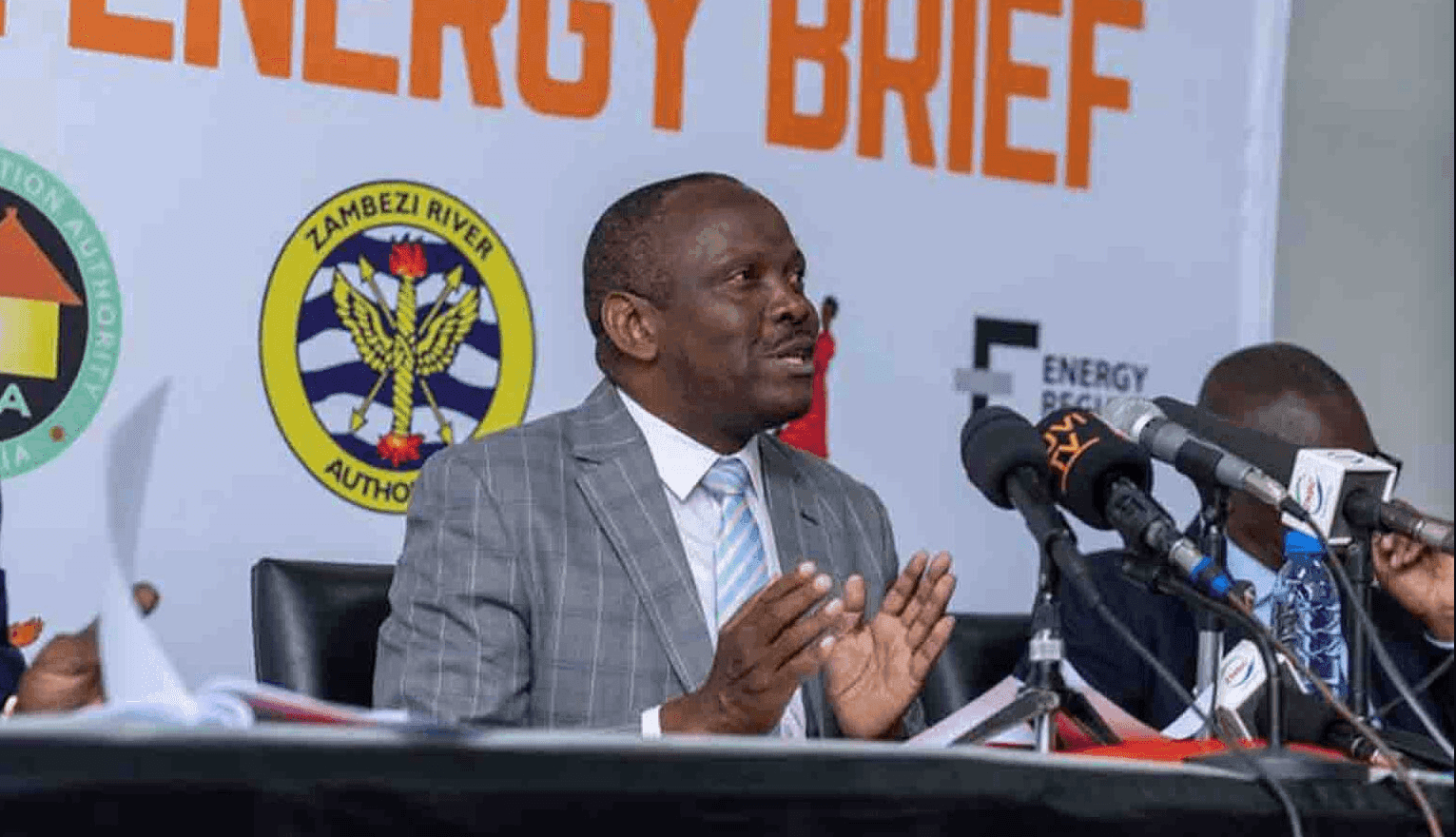
To respond to the situation, the government introduced temporary measures at the end of March aimed at reducing fuel costs and stabilizing supply. Authorities removed value-added tax on fuel and temporarily suspended excise taxes on petrol and diesel imports for a period of three months.
Officials believe these steps will help reduce the financial burden on consumers and businesses while the global oil market remains unstable.