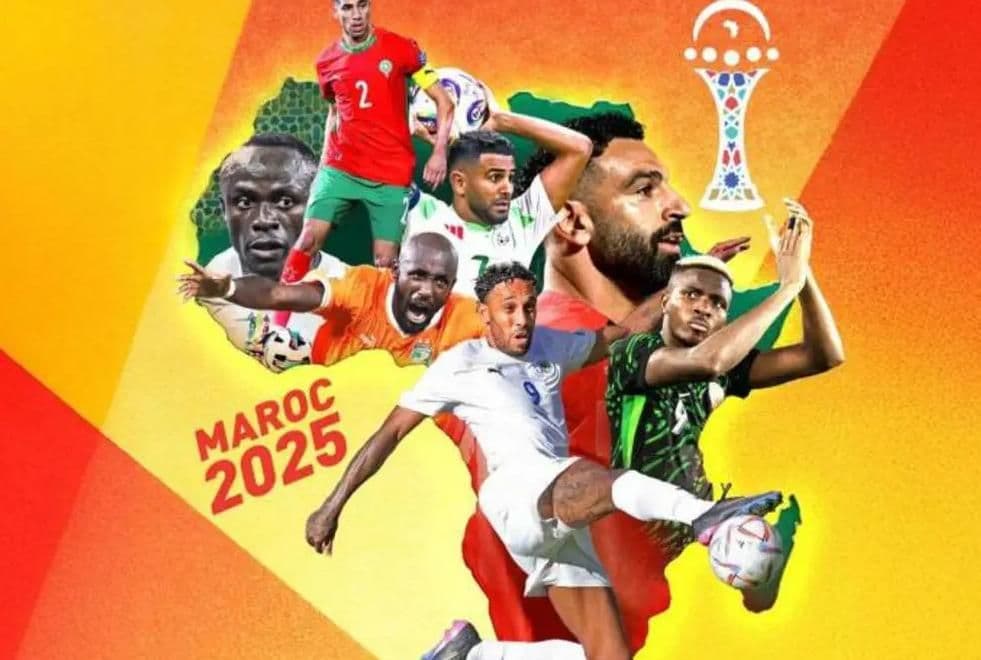
The 35th edition of the Africa Cup of Nations has once again shown that African football is as much about identity as it is about scorelines. Across the 24 teams competing in Morocco, nicknames rooted in history, wildlife, and national mythology have framed how supporters interpret success, disappointment, and ambition during the group stage.
These names are not marketing inventions. In most cases, they reflect political history, cultural symbols, or defining moments in a country’s past. AFCON 2025 has offered a reminder that even when results disappoint, the stories behind the names continue to shape how teams are perceived across the continent.
Power Symbols, History and National Memory
In North and West Africa, lions and eagles dominate the symbolic landscape. Morocco’s Atlas Lions draw on a powerful historical image rather than a living reality. The Barbary lion vanished from the region a century ago, but its symbolic strength persists. On the pitch, Morocco justified the symbolism by controlling its group and positioning itself as a serious title contender.
Mali’s Eagles, by contrast, reflect resilience more than dominance. Despite a turbulent political backdrop at home, the team proved difficult to defeat, advancing through consistency rather than flair. Tunisia’s Carthage Eagles similarly borrow from ancient history, referencing a civilization that once rivaled Rome. Their modern incarnation mirrored that legacy with disciplined performances that secured progression.
Nigeria’s Super Eagles represent one of the continent’s most layered identities. The nickname evolved alongside the country itself, moving from colonial-era labels to a post-independence symbol of strength and confidence. Their perfect group-stage record reinforced why the name still carries weight decades later.
When Myth Meets Reality on the Pitch
Some nicknames promise far more than results deliver. Zambia’s Copper Bullets evoke speed and industrial power, yet the team struggled to convert symbolism into wins. Gabon’s Panthers, a fearsome image tied to the national animal, exited early after three defeats, highlighting the gap between identity and execution.
Other teams used symbolism as motivation. Senegal’s Teranga Lions blend hospitality with competitive edge, reflecting a national philosophy that welcomes outsiders but shows no mercy on the field. Finishing top of their group, they signaled intent to defend their status among Africa’s elite.
Benin’s recent rebranding from the Squirrels to the Cheetahs illustrates how federations actively reshape identity. The change was meant to project speed and aggression, and qualification for the knockout stage suggested the new image may be taking hold, at least psychologically.
Emerging Stories and New Meanings
AFCON 2025 also introduced narratives that extend beyond traditional powerhouses. Tanzania’s Taifa Stars reached the knockout rounds for the first time, turning a name rooted in national unity into a symbol of progress. Sudan’s Falcons of Jediane advanced despite severe domestic instability, lending unexpected depth to a nickname associated with endurance and survival.
Even teams that failed to progress, such as Comoros with their Coelacanths or Botswana’s Zebras, reinforced the diversity of African football culture. Their nicknames connect modern sport to ancient species, landscapes, and national emblems, reminding audiences that participation itself carries symbolic weight.
As the tournament moves into the knockout phase, results will ultimately define champions and exits. Yet AFCON 2025 continues to show that nicknames are more than decorative labels. They act as condensed histories, carrying stories of struggle, aspiration, and identity that often outlast any single tournament run.