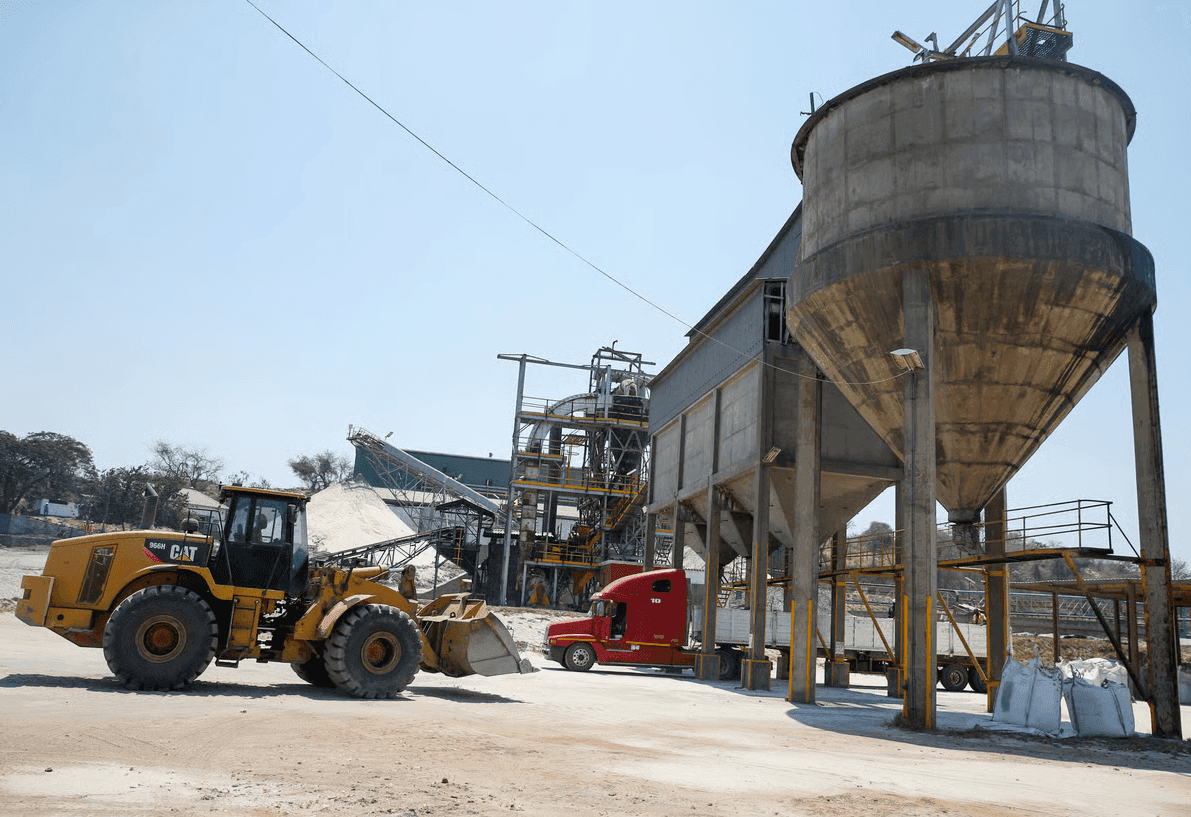
Authorities in Zimbabwe have ordered a sweeping halt to the export of all unprocessed minerals, including lithium concentrate. The directive, announced by Mines Minister Polite Kambamura, took effect at once and applies even to consignments already in transit.
The government framed the action as a strategic decision aimed at safeguarding national interests. Mining companies have been instructed to comply as the state intensifies oversight of materials that play a central role in modern technologies and advanced manufacturing.
Strategic Minerals and Global Competition
Critical resources such as lithium and rare earth elements are essential for batteries, renewable energy systems, consumer electronics, and defense applications. As international demand rises, producing nations are reassessing how much value they retain from their deposits.
Zimbabwe’s decision reflects this broader recalibration. Rather than allowing raw materials to be exported for processing abroad, policymakers are signaling that future growth should come from expanding refining and manufacturing capacity within national borders.
Accelerating Industrial Ambitions
A previous plan had scheduled restrictions on lithium concentrate exports to begin in 2027, giving investors time to establish domestic processing plants. By advancing the timeline, the government is emphasizing the urgency of shifting from extraction to beneficiation.
Zimbabwe holds the continent’s largest lithium reserves and has traditionally sent much of its output to China for further refinement. The mining sector accounts for a significant share of economic output, contributing over 14 percent to gross domestic product.
Through this policy shift, officials aim to increase transparency, encourage local investment, and secure greater long-term returns from the country’s mineral wealth. Whether the ban will accelerate industrial transformation or disrupt short-term revenues will depend on how quickly domestic processing capacity can expand.