Oil prices spiked sharply at the start of the week following military strikes by the United States and Israel against Iran, triggering fears of supply interruptions in the Gulf. Brent crude surged above $80 per barrel in early Asian trading before retreating slightly, still well above Friday’s closing level.
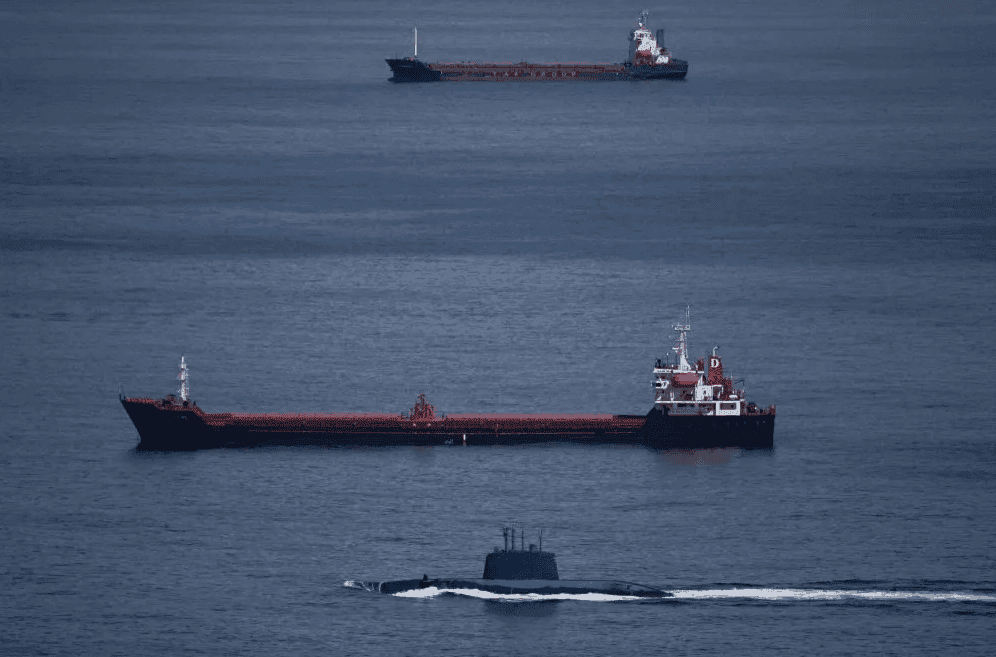
Investors reacted swiftly to mounting uncertainty surrounding the Strait of Hormuz, a maritime chokepoint through which roughly one-fifth of the world’s seaborne oil is transported. Although Tehran has not formally declared the passage closed, heightened military activity and reported attacks on vessels have effectively disrupted transit along the route.
Analysts warn that even a partial blockage could remove between 8 and 10 million barrels per day from global supply, a shock large enough to strain international reserves.
Asian Equities Slide, Safe Havens Gain
Financial markets across Asia reflected growing anxiety. Japan’s Nikkei index fell more than two percent in early trading, while Australian shares also declined. Gold prices climbed as investors sought safer assets amid geopolitical turmoil.
Reports of missile and drone exchanges in the Gulf, along with damage to commercial vessels near Oman and the United Arab Emirates, intensified concerns about prolonged instability. Insurance premiums for tankers operating in the region are expected to surge, potentially further tightening oil flows.
Energy analysts suggest that if disruptions persist, prices could test $90 per barrel and potentially climb higher. While member countries of the OECD maintain emergency stockpiles equivalent to 90 days of consumption, experts caution that strategic reserves may not fully offset a sustained supply shock of this scale.
Broader Economic Risks
Higher crude prices are likely to ripple through global economies. Elevated fuel costs typically feed into transportation expenses, manufacturing inputs, and consumer prices. Natural gas markets are also vulnerable, particularly given Qatar’s prominent role in liquefied natural gas exports.
Economists warn that prolonged price spikes could dampen growth, especially if energy costs remain elevated for weeks rather than days. Industries such as aviation, shipping, and tourism are considered particularly exposed to rising fuel and insurance expenses.
Political implications may also emerge. Some analysts describe surging oil prices as a sensitive pressure point for US leadership, particularly in an election year environment where fuel affordability remains a prominent concern.
Whether markets stabilize or face deeper volatility will depend largely on the duration of Gulf tensions and the extent to which maritime traffic through the Strait of Hormuz can resume safely.