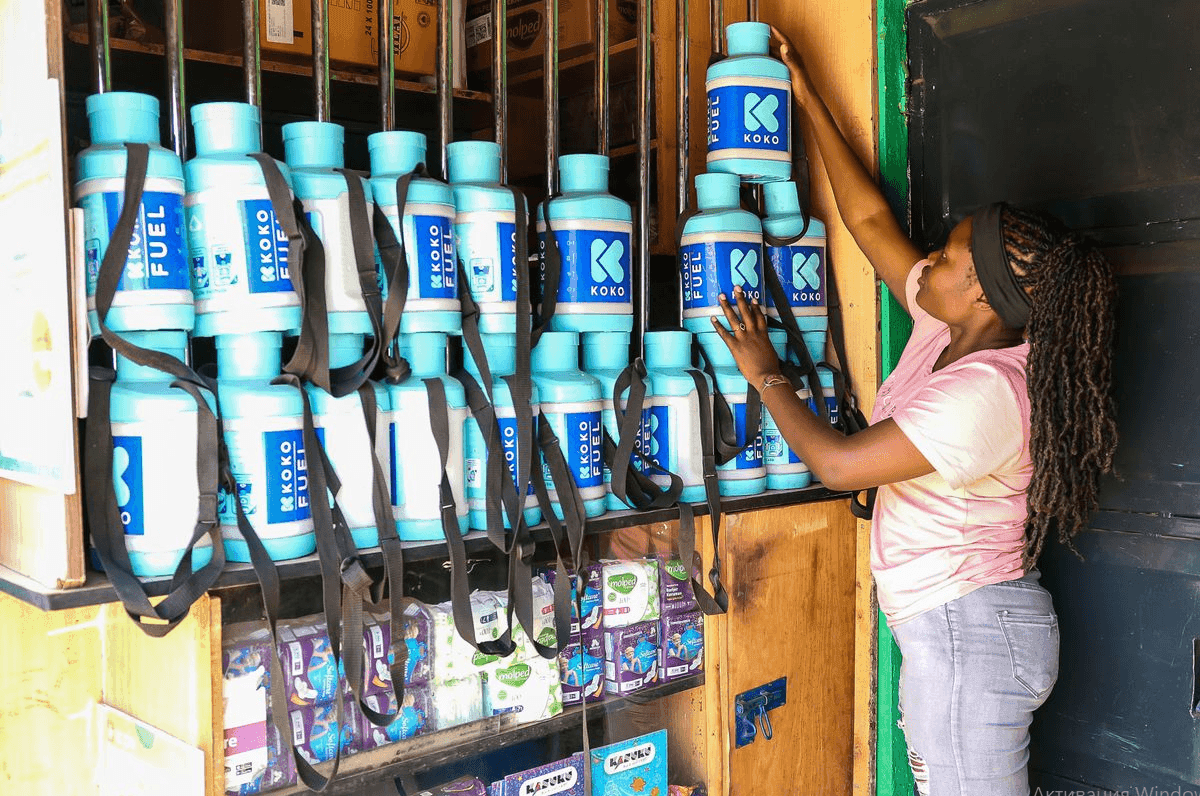
Kenya’s push toward cleaner household energy has suffered a major blow following the closure of a nationwide bioethanol cooking fuel network. The shutdown has left thousands of fuel dispensers inactive and abruptly ended access to affordable, low-emission cooking fuel for a large segment of the population.
For many urban and peri-urban families, the decision has meant an immediate loss of a system they depended on for daily cooking.
Millions Lose Access to Affordable Fuel
The closure has rendered more than 3,000 neighborhood fuel points unusable, cutting off supply to an estimated 1.5 million households. These families had relied on a pay-as-you-go model that allowed them to buy very small quantities of bioethanol at minimal cost, making clean cooking financially accessible.
For low-income users, the system provided a cheaper and more flexible alternative to liquefied petroleum gas, which often requires higher upfront payments that many households cannot afford.
Regulatory Hurdles Undermine Business Model
The company behind the network said it was forced to halt operations after failing to obtain key government approvals. These included authorization to trade carbon credits and permits to import bioethanol, both of which were essential to maintaining the financial viability of the model.
Without income from carbon markets and with supply chains disrupted, the firm said it could no longer sustain operations, despite years of growth and adoption among urban households.
Risks of Reverting to Polluting Fuels
Energy experts warn that the shutdown highlights deeper vulnerabilities in clean cooking initiatives that depend heavily on carbon credit revenues. When such systems collapse, households often revert to traditional fuels such as charcoal or paraffin, which are linked to deforestation, indoor air pollution, and serious health problems.
Analysts caution that unless governments create more stable regulatory and financing frameworks, similar clean energy projects could face the same fate. The loss of the bioethanol network, they argue, risks reversing progress on public health, environmental protection, and climate goals tied to cleaner household energy.
As Kenya reassesses its clean cooking strategy, the shutdown has sparked renewed debate over how to build resilient, affordable energy solutions that can survive regulatory delays and market shocks.