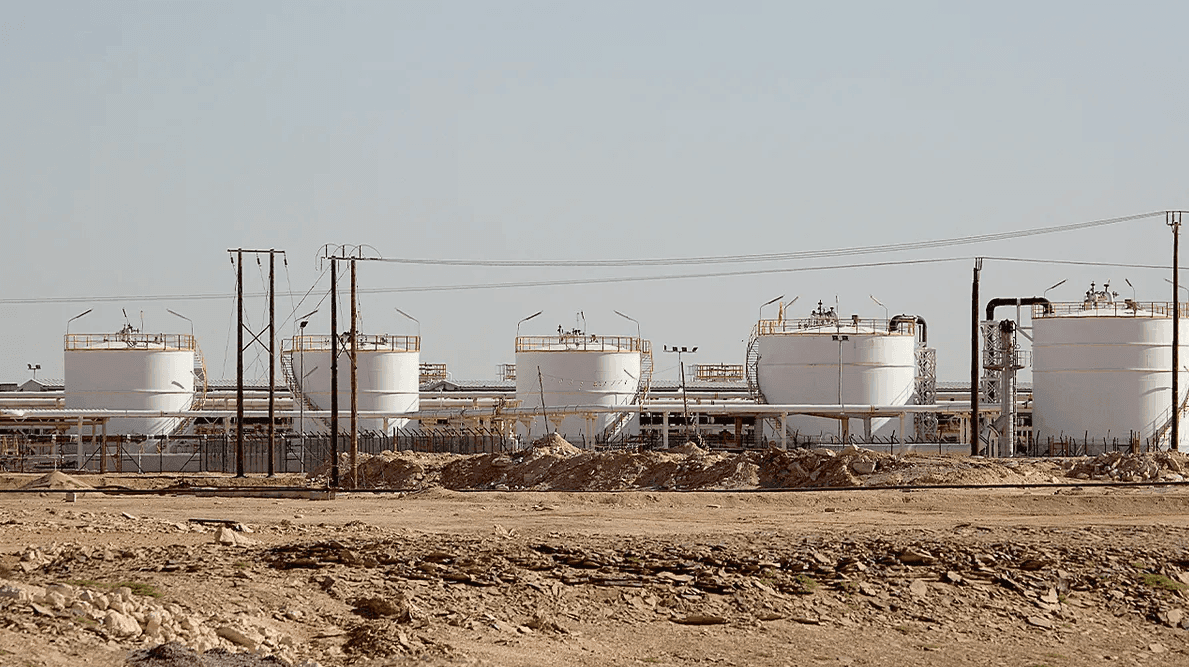
Authorities in Qatar have suspended operations at two major state-run energy installations following damage caused by Iranian airstrikes. The shutdown forced a temporary halt in liquefied natural gas production, sending global energy prices sharply higher.
Officials confirmed that production of several downstream natural gas products has also been paused while engineers evaluate the safety and structural condition of the affected facilities. According to government representatives, initial damage was contained, but detailed technical assessments are still underway before operations can safely resume.
Escalation After Regional Strikes
The attacks come amid intensifying tensions involving Iran and the United States, following coordinated US and Israeli strikes targeting Iranian sites. Tehran has since carried out retaliatory operations across parts of the Gulf region.
A spokesperson for Qatar’s foreign ministry said Doha had not communicated directly with Iranian authorities since the escalation began. He reiterated that the country’s position remains focused on diplomatic engagement and efforts to reduce hostilities.
Global Energy Market Impact
Qatar is among the world’s largest exporters of liquefied natural gas, meaning disruptions to its facilities can quickly affect international markets. The suspension of output contributed to immediate volatility in gas prices as traders reacted to the potential loss of supply.
Other energy producers along the Gulf coastline have reportedly scaled back operations as well amid concerns that additional strikes could target critical infrastructure.
Analysts warn that prolonged interruptions to Gulf energy production could place further pressure on global energy markets already strained by geopolitical tensions and supply uncertainties.