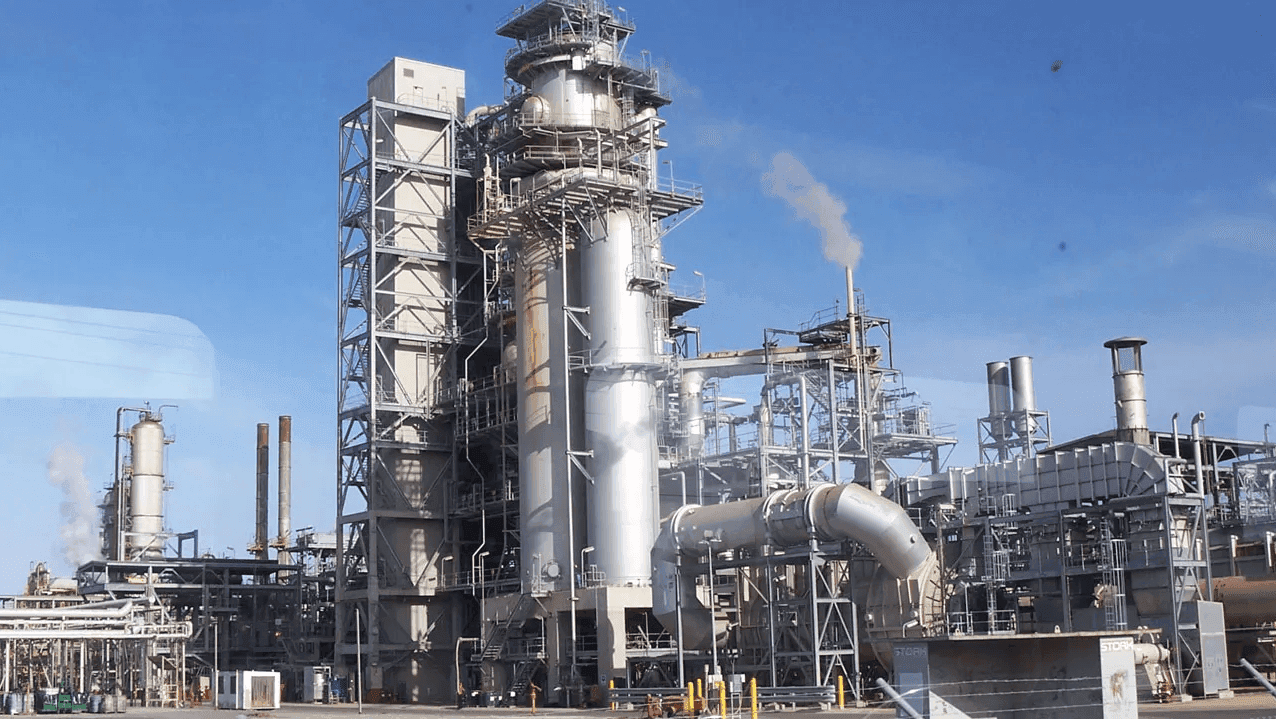
Dangote Refinery has formally ended its court challenge against Nigeria’s fuel import regime, drawing a line under a legal dispute that had tested the country’s transition toward domestic fuel production. The company’s decision removes a case that questioned whether Nigeria should still rely on imported petrol now that a large local refinery is operational.
No reason was provided for the withdrawal, which comes after months of legal maneuvering.
Questioning the Need for Imported Fuel
The lawsuit centered on fuel import approvals issued by Nigeria’s downstream petroleum regulator to the national oil company and private marketers. Dangote Refinery argued that the law allows imports only when domestic supply is insufficient.
With its refinery already producing petrol, the company claimed the justification for continued imports no longer existed. It therefore sought to have existing licences cancelled, positioning the case as a test of how regulators interpret supply shortfalls in a changing energy landscape.
Financial Claim and Legal Turning Point
Alongside its regulatory challenge, the refinery had filed a claim seeking 66 million dollars in damages, arguing that continued fuel imports caused financial harm. Earlier in the year, a federal court rejected an attempt by the defendants to block the case, allowing it to proceed to a full hearing.
That ruling had raised expectations of a prolonged legal battle, making the refinery’s decision to withdraw the case all the more unexpected.
Case Closure Still Pending
Although the lawsuit has been abandoned, it has not yet been formally closed. The matter remains on the court calendar for a hearing scheduled at the end of September, when the defendants may either request legal costs or waive them, allowing the case to be officially struck out.
While the legal challenge has ended for now, it has already highlighted deeper tensions around Nigeria’s fuel policy, particularly how regulators balance new domestic refining capacity against long-standing import practices.