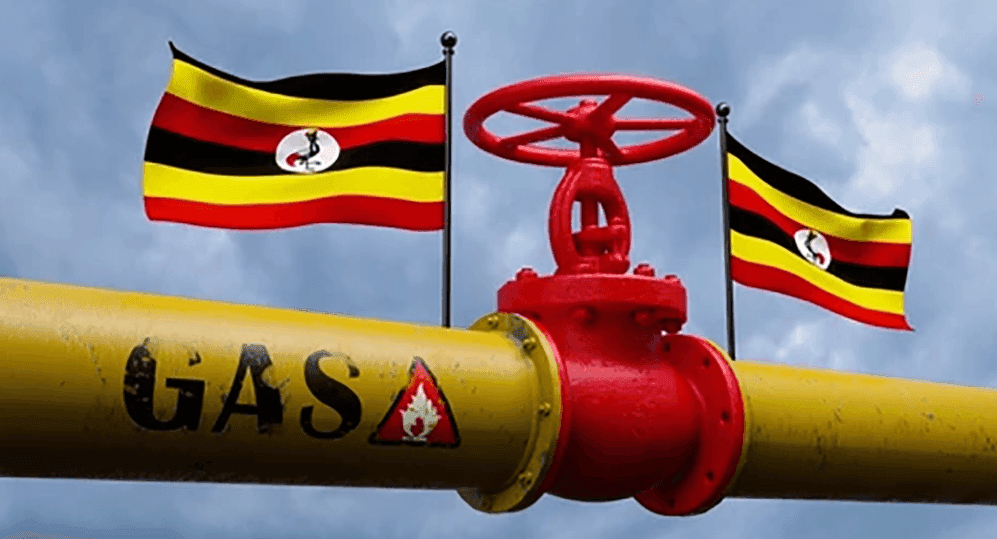
For decades, Uganda’s economy has relied heavily on traditional exports such as coffee and gold. Now the country is preparing for a major shift, placing its economic future on the development of its oil sector. With commercial exports expected to begin soon, policymakers are looking to oil as a potential catalyst for long-term growth and fiscal stability.
Projections suggest that oil revenues could generate close to two billion dollars annually, a figure that has raised expectations across government and society. Supporters argue that this income could fund infrastructure, social services, and industrial development, reducing dependence on agriculture and commodity price cycles.
The Risk of Repeating Past Mistakes
Despite the optimism, concerns remain about whether oil will deliver broad-based prosperity. Many resource-rich countries have struggled with the so-called resource curse, where wealth from natural resources fuels corruption, inequality, and economic imbalance rather than development.
Campaigners and policy analysts stress that strong governance will be critical. Transparent revenue management, strict regulatory oversight, and clear accountability mechanisms are seen as essential if oil income is to benefit the wider population rather than a narrow elite. Without these safeguards, oil could deepen existing challenges instead of resolving them.
Accountability and Long-Term Planning
Advocates for responsible resource management argue that Uganda still has time to shape a different outcome. They emphasize the importance of investing oil revenues into education, healthcare, and productive sectors that can outlast the finite lifespan of oil reserves. Building institutions capable of managing large inflows of revenue is viewed as just as important as extracting the resource itself.
Ensuring compliance with environmental and social standards is another major concern. Communities in oil-producing regions are watching closely to see whether development brings jobs and services or disruption and inequality.
Zambia Turns to the Yuan for Mining Taxes
Elsewhere in Africa, resource policy is also evolving. Zambia has taken a notable step by allowing mining companies to pay taxes using China’s yuan. The decision reflects changing global trade dynamics and highlights the growing influence of China in African commodity markets.
Analysts see the move as part of a gradual diversification away from reliance on the US dollar. While the shift is unlikely to upend global finance in the short term, it signals how economic alliances and payment systems are slowly adapting to new realities.
Suez Canal Faces Ongoing Trade Disruption
Meanwhile, global trade continues to feel the effects of instability in the Red Sea region. Although attacks on shipping have eased, traffic through the Suez Canal remains sharply reduced. Many shipping companies are still avoiding the route, opting for longer and more expensive alternatives.
The prolonged decline in traffic has serious implications for Egypt, which depends heavily on canal revenues. It also adds costs and delays to global supply chains, underscoring how geopolitical risks can reshape trade patterns long after immediate threats subside.
Together, these developments highlight how natural resources, trade routes, and geopolitical shifts are redefining economic strategies across Africa. For Uganda, the challenge will be ensuring that oil becomes a foundation for sustainable growth rather than a short-lived windfall.