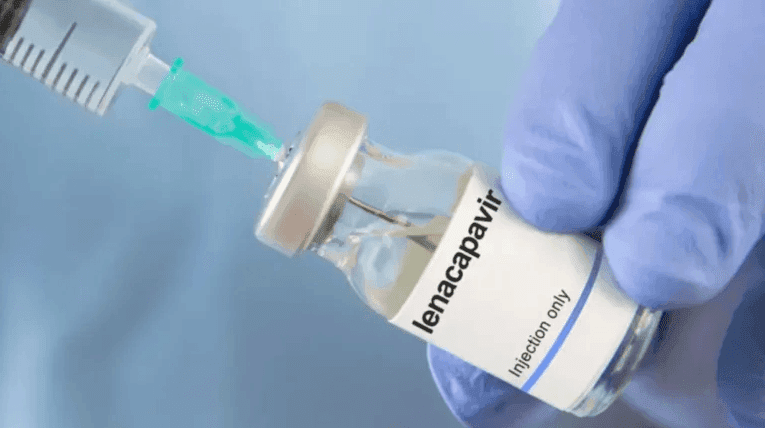
Zimbabwe has taken a significant step in its public health strategy by introducing a nationwide program centered on lenacapavir, an injectable medication designed to prevent HIV infection. Administered only twice a year, the drug represents a shift away from daily oral prevention methods and offers a more convenient alternative for people at substantial risk.
The official launch was led by Health Minister Douglas Mombeshora, who described the initiative as a defining moment in the country’s long-standing effort to curb HIV transmission. Developed by Gilead Sciences, the medication received regulatory approval in Zimbabwe late last year, clearing the way for its public rollout.
Clinical data indicate that lenacapavir provides extremely high protection rates against HIV infection, significantly reducing reliance on strict daily pill adherence. For individuals who struggle to maintain consistent preventive treatment, the biannual injection offers a practical solution.
Targeted Implementation and Funding Support
The first stage of distribution focuses on more than 46,000 individuals considered at elevated risk of contracting HIV. Services are being delivered through 24 designated sites across the country, ensuring geographic reach and structured monitoring.
Adolescent girls, young women, and sex workers are among the priority groups, as these populations continue to experience disproportionately high infection rates. Financial backing for the program comes from the United States government and the Global Fund, enabling Zimbabwe to scale up access without placing additional strain on national resources.
Zimbabwe’s HIV Landscape
Zimbabwe remains one of the countries most affected by HIV in Africa, with approximately 1.3 million people currently living with the virus. Despite this burden, substantial progress has been made over the past two decades.
The country has successfully met the UNAIDS 95-95-95 benchmarks, meaning the vast majority of people living with HIV know their status, receive treatment, and achieve viral suppression. National prevalence, once estimated at around 34% in the early 2000s, has fallen to roughly 12%, reflecting sustained prevention and treatment efforts.
Community Engagement and Global Recognition
Local response to the new injection has been encouraging. In communities such as Epworth, early recipients have actively encouraged others to participate, helping to build trust and awareness around the treatment.
Global health leaders have also welcomed the development. The head of the World Health Organization described lenacapavir as one of the most promising tools currently available in HIV prevention, highlighting its potential to accelerate progress toward ending AIDS as a public health threat.
Zimbabwe’s adoption of this long-acting preventive therapy signals a renewed commitment to innovation in healthcare and positions the country among early adopters of next-generation HIV prevention strategies.