Zimbabwe has announced sweeping changes to the regulation of informal commerce in its major towns, outlawing the sale of second-hand clothing in central business districts and bringing an end to all-night street vending. The measures, which took effect this week, apply to all municipalities and mark a decisive shift in urban management policy.
Government officials say the move is aimed at restoring order in city centers while reinforcing the role of formally registered businesses.
Urban Markets Face Immediate Shutdown
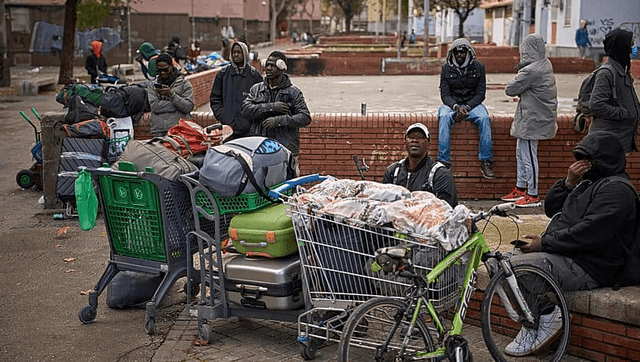
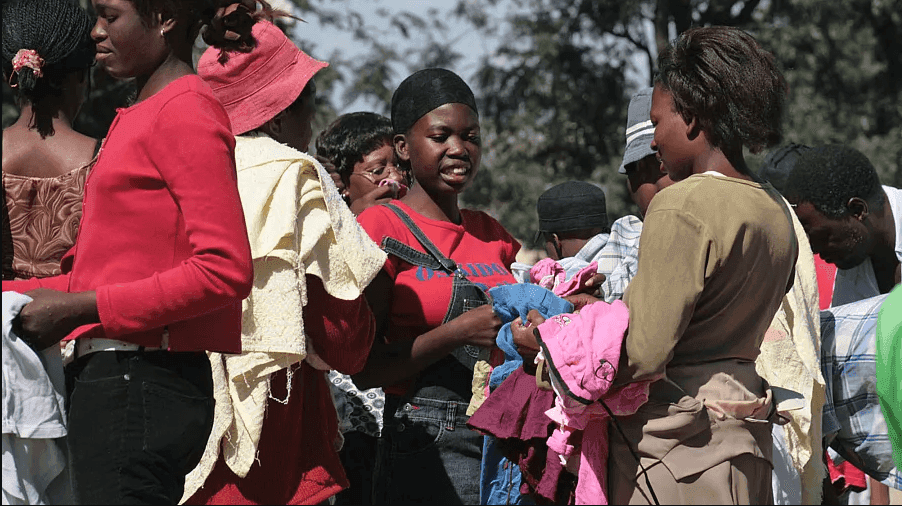
Under the new directive, vendors selling used clothing in central districts must stop operations immediately. Authorities have also prohibited any form of street trading during nighttime hours, regardless of the type of goods sold.
Municipal councils have been instructed to work alongside law enforcement agencies to carry out enforcement, with particular focus on the capital and other large urban centers. Officials warned that non-compliance would not be tolerated.
Imports Blocked to Curb Informal Supply Chains
In a further escalation, the government has moved to halt the importation of second-hand clothing altogether. By cutting off supply at the border, authorities aim to dismantle the informal distribution networks that dominate urban street markets.
The government argues that informal vendors unfairly compete with licensed retailers who pay taxes and operate within regulatory frameworks. Officials say the new policy is intended to level the playing field and protect formal businesses.
Crime and Public Health Cited as Key Concerns
Authorities have linked overnight vending to a rise in illegal activities, including the sale of drugs and other banned substances. According to officials, these activities pose risks to public health, weaken economic governance, and undermine national security.
While the government insists the restrictions will result in safer and more organized cities, the decision is expected to have serious consequences for thousands of people who rely on informal trade as their main source of income. As enforcement begins, pressure is mounting for authorities to explain how displaced vendors will be supported in the absence of alternative livelihoods.