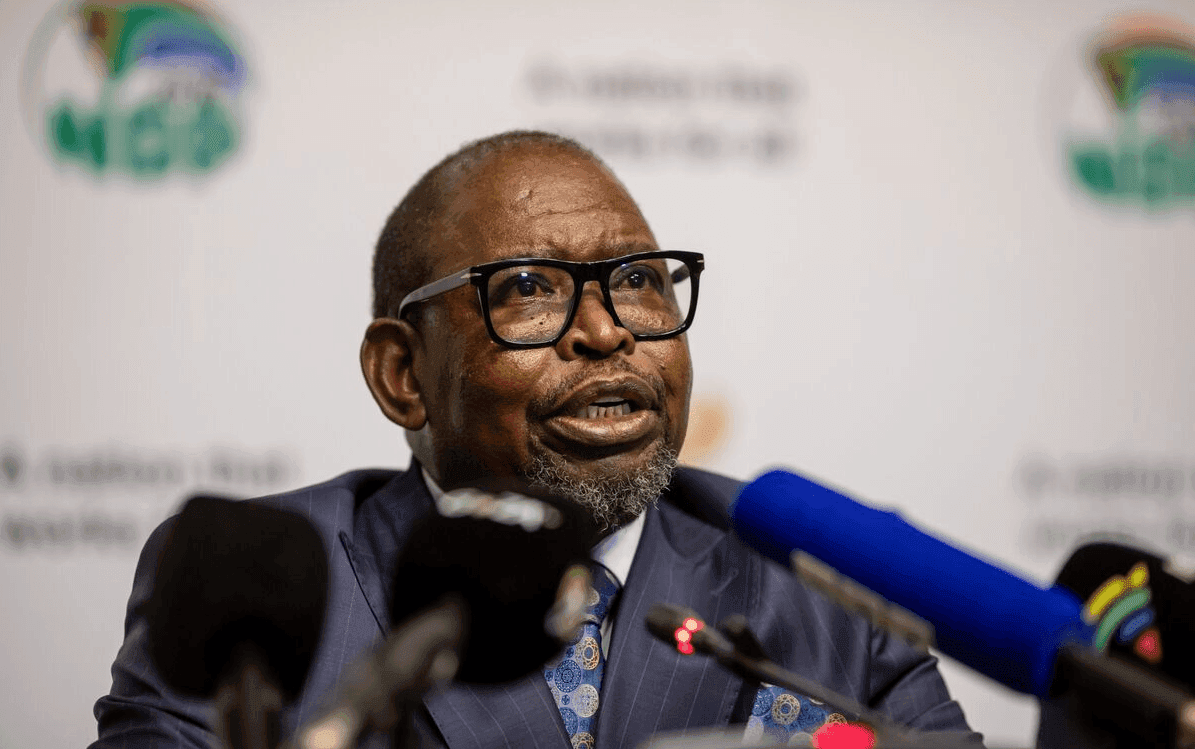
South Africa’s treasury has signaled a major shift in its fiscal trajectory. Delivering the national budget, Finance Minister Enoch Godongwana stated that public debt is expected to stop rising and begin a gradual descent in the coming years.
After climbing steadily for almost 17 years and reaching close to four-fifths of national output, the debt-to-GDP ratio is forecast to edge lower over the medium term. Official projections indicate a decline beginning in the 2026/27 financial year, with further easing anticipated thereafter.
The announcement marks a potential turning point for the continent’s most advanced industrial economy, which has faced persistent fiscal strain amid weak growth and structural challenges.
Improved Standing in Global Markets
Recent international assessments have bolstered confidence in the country’s financial management. In late 2025, S&P Global raised South Africa’s sovereign rating—its first notable upgrade in more than 16 years. Around the same period, the country was removed from enhanced monitoring by a global anti-money-laundering body, improving its standing with investors.
Officials have described these developments as evidence that reforms and tighter budget oversight are yielding results. Economic growth is projected at approximately 1.6 percent in 2026, reflecting modest but positive momentum.
Security Priorities and Spending Plans
Although authorities are aiming for fiscal consolidation, overall expenditure remains substantial. Government outlays are set to exceed 2.6 trillion rand in the upcoming fiscal cycle. A significant share of this allocation will be directed toward security services.
Funding dedicated to defense and policing is scheduled to increase steadily through 2028, supporting deployments in high-crime areas. South Africa continues to grapple with elevated levels of violent crime, with daily homicide figures remaining among the highest globally.
By combining tighter debt management with targeted investment in public safety, policymakers hope to strengthen stability and create conditions conducive to sustained economic improvement.