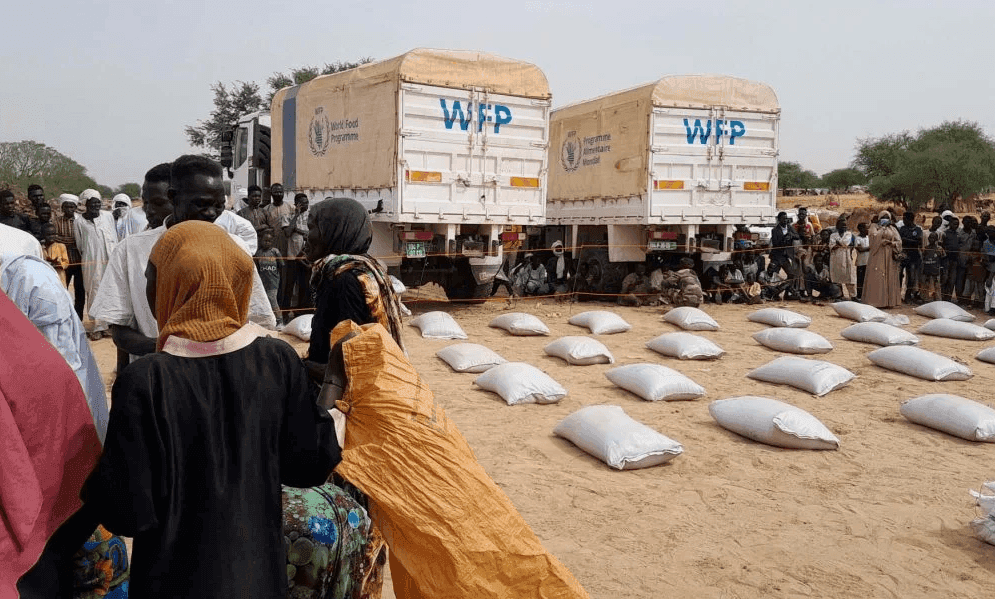
The World Food Programme has indicated that its relief activities in Somalia could cease within weeks if new financial commitments do not materialize. Officials say available funds are nearly depleted, placing critical assistance programs in jeopardy.
At the beginning of this year, more than two million people were receiving food support. Due to shrinking resources, that figure has fallen sharply to a fraction of its previous level. The agency now warns that, without swift intervention from donors, even this reduced coverage cannot be sustained beyond April.
Aid Interruptions and Global Budget Cuts
Complicating the situation, earlier disruptions in support from the United States exposed vulnerabilities in Somalia’s aid pipeline. Assistance had been temporarily suspended following concerns over mismanagement linked to damage at a storage facility in Mogadishu. Although deliveries later resumed, the episode underscored how dependent humanitarian programs are on consistent external backing.
More broadly, reductions in overseas assistance since Donald Trump returned to office have strained funding flows for multiple international relief agencies. Budget tightening across major donor countries has intensified competition for limited resources, leaving operations like those in Somalia increasingly precarious.
Worsening Food Insecurity Across the Country
The scale of need remains immense. Current assessments show that roughly 4.4 million Somalis are facing acute levels of hunger. Persistent insecurity, prolonged drought conditions, and economic fragility have weakened communities’ ability to cope with shocks.
Humanitarian officials stress that many families have exhausted savings, livestock, and other means of survival. Women and children represent a significant share of those at highest risk. If food distributions are suspended, conditions could deteriorate rapidly, deepening malnutrition and displacement.
As the primary food assistance provider in Somalia, WFP’s capacity to continue operations will depend on urgent financial pledges. The coming period is likely to determine whether millions maintain access to life-sustaining aid or confront an even more severe humanitarian emergency.