Azeez Akanni pushes through the suffocating crowd inside a Lagos minibus, wiping sweat from his forehead as the vehicle crawls toward the city’s commercial hub.
At 32, the fashion designer spends most of his time navigating Lagos to deliver high-end clothing and footwear. Recently, however, even short trips have become physically exhausting.
“The heat is unbearable,” he says, pressed tightly between other weary passengers.
Across Nigeria, an escalating heatwave is disrupting routines and testing people’s endurance.
While high temperatures are typical for the region, authorities warn that recent conditions are reaching new extremes. According to national weather officials, the country has recorded some of its hottest periods in recent years.
In Lagos, the impact is amplified. Dense population, constant traffic congestion, and a lack of green infrastructure trap heat within the city. Emissions from vehicles, concrete structures, and widespread use of petrol generators intensify already harsh conditions.
At the same time, rising fuel costs are compounding the problem. Linked in part to global geopolitical instability, including tensions related to the Iran–Israel conflict, fuel prices have surged, putting additional pressure on households.
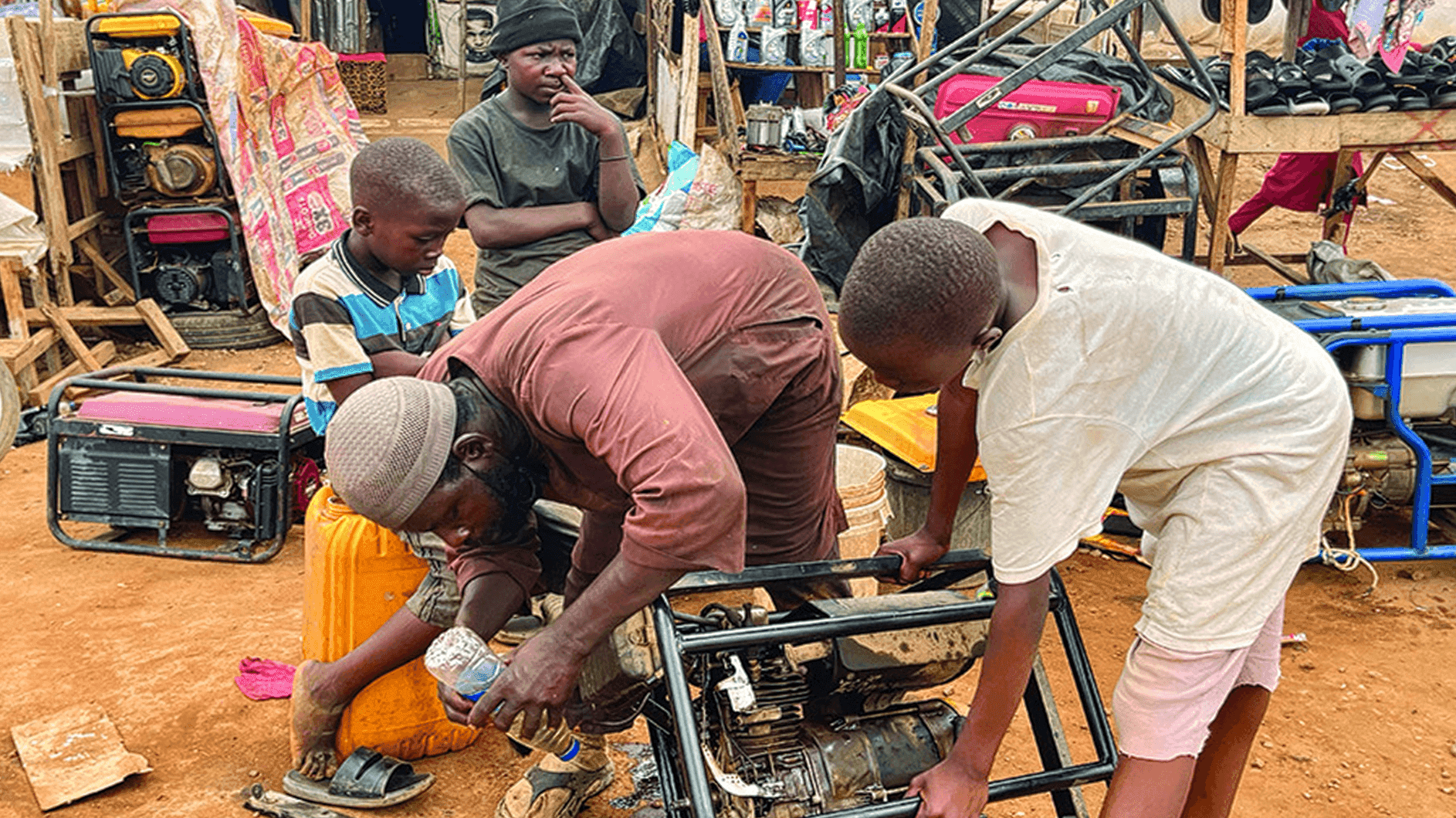
“I had to stop using my generator completely,” says Emmanuel Chinonso, a driver based in Abuja. “Fuel is simply too expensive now.”
In many areas, petrol prices have nearly doubled. To cope, drivers are switching off air conditioning systems and, in some cases, asking passengers to pay extra if they want cooling during the journey.
Relief remains limited even after sunset. Frequent power outages mean fans and cooling systems stop working, leaving homes hot and uncomfortable through the night.
For those who earn a living outdoors, the situation is even more severe.
Street vendors across Lagos continue working under intense sunlight. Hawkers move between vehicles selling cold drinks, while others prepare food by the roadside despite the heat.
“The conditions are very difficult,” says Aminat Jimoh, who fries tofu near a busy road. “But we have no choice. If we stop working, we lose our income.”
Health professionals warn that prolonged heat combined with high humidity could worsen public health risks. These conditions create a favorable environment for diseases such as Malaria, as mosquito populations grow more rapidly.
Data from the World Health Organization shows that Nigeria already carries one of the highest malaria burdens globally.
As temperatures continue to rise, many Nigerians are hoping for the arrival of the rainy season.
Rainfall could provide temporary cooling, but it also introduces new concerns, including the risk of flooding in vulnerable areas.
For Akanni, any change would be welcome.
“I know the rain brings its own problems,” he says. “But this heat is too much to handle.”