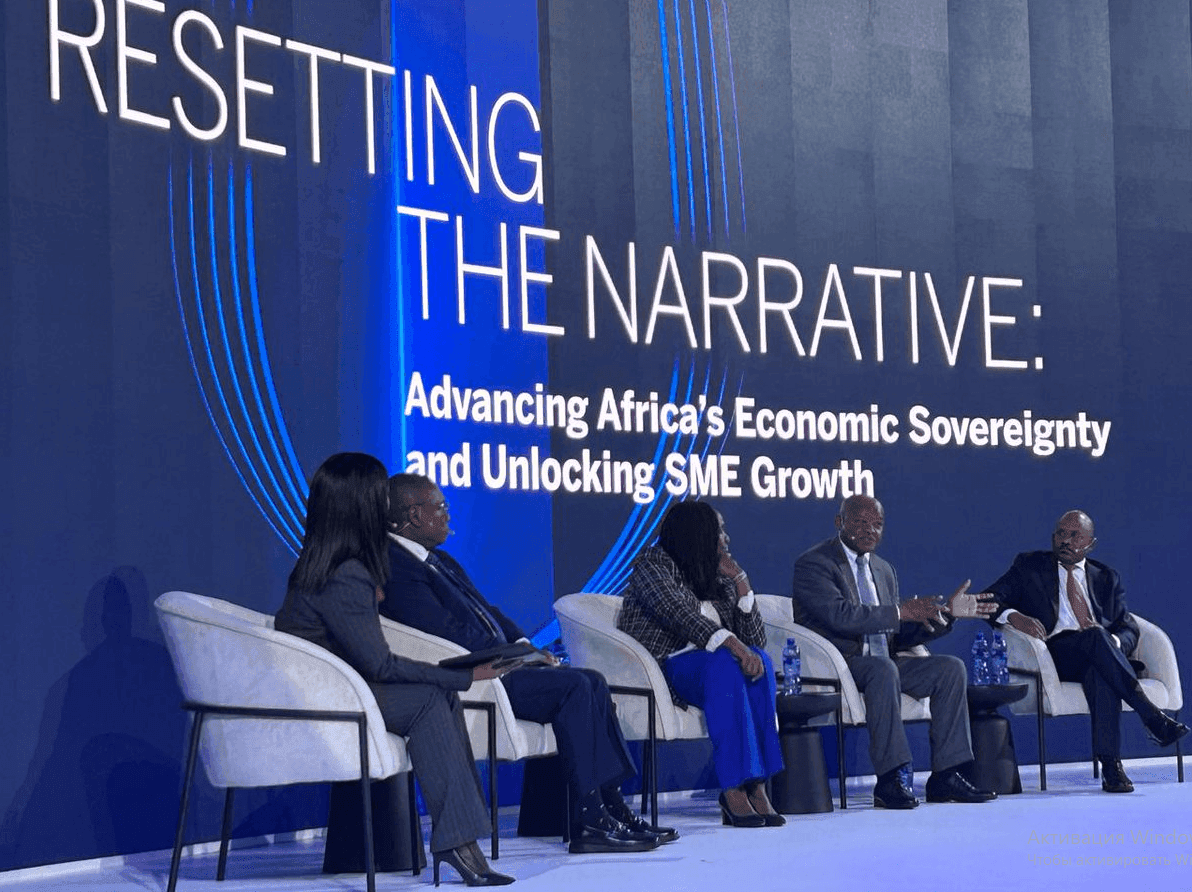
Africa is undergoing a quiet but powerful transformation in how it presents itself to the world. Beyond economic reforms and infrastructure projects, a growing number of leaders, creators, and entrepreneurs are focusing on what many now describe as “narrative sovereignty” — the ability to shape, protect, and project their own stories on the global stage.
This shift is increasingly seen as an economic and geopolitical tool, influencing how Africa attracts investment, builds partnerships, and positions itself in emerging industries.
Reclaiming the Story Behind the Numbers
For decades, Africa’s global image has often been framed through external lenses, emphasizing crisis over capacity and risk over opportunity. That imbalance has affected investor confidence, diplomatic leverage, and even domestic self-perception.
Today, experts working with governments and private institutions argue that aligning perception with reality is essential for sustainable growth. By communicating their own achievements, ambitions, and data more effectively, African countries are working to close the gap between how they are seen and how they actually perform.
This push is being reinforced by a new generation of African communicators — from policymakers to diaspora advocates — who are repositioning the continent as a source of innovation, creativity, and scalable opportunity rather than a passive recipient of aid.
Clean Energy Fuels Jobs and Confidence
One of the clearest examples of this narrative shift is unfolding in the renewable energy sector. Solar power is expanding rapidly across the continent, with employment in the sector expected to grow by more than 20 percent in the coming years.
Young Africans are entering the workforce as installers, engineers, system designers, and founders of off-grid energy startups. These decentralized solutions are reshaping rural economies, extending electricity access beyond traditional grids, and supporting small businesses where power shortages once limited growth.
The clean-energy transition is not only reducing emissions — it is also reinforcing a new story of Africa as a practical innovator in sustainable development and inclusive job creation.
Artificial Intelligence as a Defining Test
Artificial intelligence is set to become another decisive chapter in Africa’s evolving global role. Market projections suggest AI-related activity on the continent could reach more than 16 billion dollars by the end of the decade, touching sectors from finance and farming to healthcare and education.
The opportunity is significant, but so are the risks. Without investment in digital infrastructure, skills training, and fair access, AI could widen existing inequalities between and within countries. Some nations are already building strong foundations in data governance and innovation ecosystems, while others remain at an early stage.
How Africa manages this transition will shape not only economic outcomes, but also global perceptions of its technological leadership.
As storytelling power, green energy, and digital innovation converge, Africa’s push for narrative sovereignty is becoming more than a communications strategy. It is emerging as a core pillar of competitiveness — one that could determine how the continent is valued, partnered with, and understood in the decades ahead.