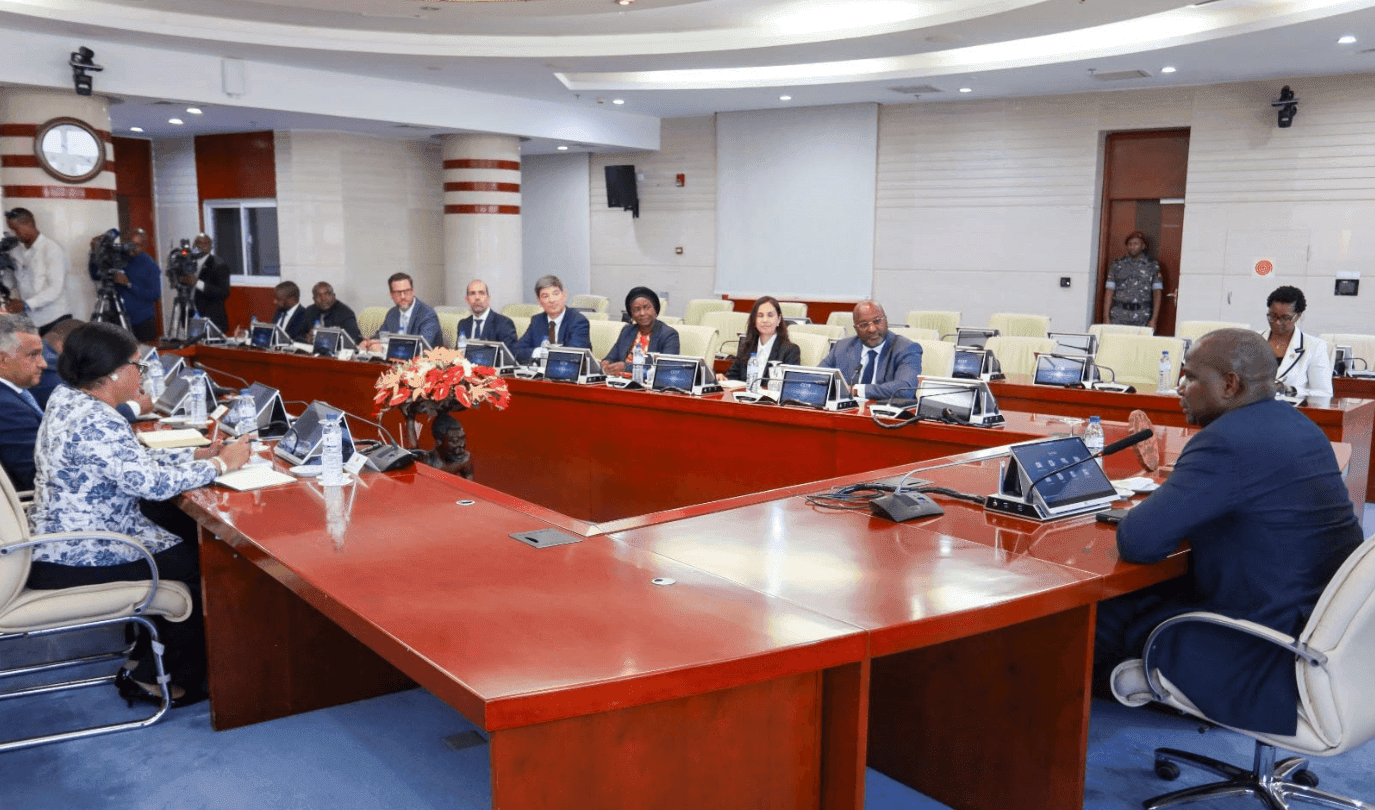
The World Bank has set out a medium-term financing framework that could deliver up to $6 billion to Mozambique over the coming five years. Most of the resources will be offered on highly favorable terms, including grants and low-interest instruments, to help ease pressure on the country’s public finances.
Bank representatives indicated that roughly $3 billion would come directly from its own lending capacity, while a comparable amount is expected to be mobilized through additional mechanisms and partnerships. The structure is designed to minimize debt stress while enabling investment in priority sectors.
Alongside public financing, efforts are being made to unlock approximately $4 billion from private investors to support infrastructure and productive industries.
Strengthening Fiscal Stability
Mozambique’s economic authorities view the agreement as a step toward restoring macroeconomic balance. The partnership aims to reinforce fiscal discipline, improve revenue management, and support policies that encourage sustainable growth.
Recent evaluations by the International Monetary Fund have highlighted concerns about rising debt vulnerabilities, delayed payments, and persistent budget gaps. By relying on concessional funding rather than commercial borrowing, the government seeks to prevent further strain on its financial position.
Energy Outlook and Structural Challenges
Prospects for economic recovery are also tied to the revival of a major liquefied natural gas venture spearheaded by TotalEnergies. The project is expected to generate export earnings and attract complementary investment once operations fully resume.
However, Mozambique faces ongoing structural risks. Severe weather events, including destructive cyclones and flooding, regularly disrupt development efforts and require costly reconstruction. These climate-related shocks complicate fiscal planning and long-term growth strategies.
The planned World Bank engagement signals sustained international support, yet its effectiveness will depend on careful implementation, resilient infrastructure planning, and the country’s ability to convert concessional resources into durable economic gains.