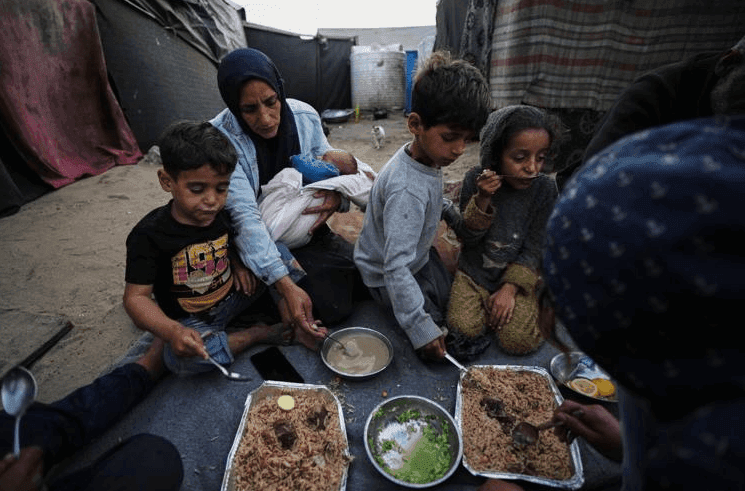
As Muslims across the country observe Ramadan, many households in Algeria are grappling with mounting financial pressure. The holy month traditionally brings evening gatherings centered around abundant meals shared after sunset. Yet this year, rising food prices have made preparing customary dishes increasingly difficult for large segments of the population.
Although Algeria is a major producer of oil and gas, many citizens report declining purchasing power. Inflation in essential goods has eroded household budgets, pushing more families toward economic vulnerability. At local markets, tensions linked to price increases have occasionally flared, reflecting widespread frustration.
Government Response to Market Pressures
Authorities, mindful of social sensitivities following the 2019 protest movement, have pledged measures aimed at stabilizing supplies. In a cabinet meeting focused on Ramadan preparations, President Abdelmadjid Tebboune emphasized the need to ensure that citizens could observe the month without added anxiety.
To ease pressure on meat prices, the government announced plans to import large numbers of sheep and cattle. Officials hope that expanding supply will make key ingredients more affordable during the festive period.
However, traditional local products—such as mutton from the High Plateaus and livestock raised in mountainous regions—have become costly even for middle-income earners. For many families, once-customary dishes now require careful budgeting or substitution.
Community Support and Income Challenges
Civil society organizations have stepped in to cushion the impact. Restaurants and community groups have organized free evening meals, transforming dining spaces into charitable kitchens that serve those struggling to afford food.
The broader economic backdrop underscores the challenge. Average wages in Algeria remain modest, and currency disparities between official and informal exchange rates further complicate purchasing power. For households relying on fixed incomes, the rising cost of staples during Ramadan adds to everyday financial strain.
While the government’s interventions aim to prevent unrest and ease shortages, the persistence of high food prices continues to weigh heavily on families seeking to honor both the spiritual and social traditions of the holy month.