West Africa is preparing a significant reset of its aviation cost structure as regional leaders move to dismantle some of the financial barriers that have long made flying across the region among the most expensive in the world.
From January 1, 2026, ECOWAS plans to eliminate air transport taxes entirely, alongside a broad reduction in passenger- and security-related aviation charges. According to regional officials, those fees will be cut by roughly a quarter starting next year.
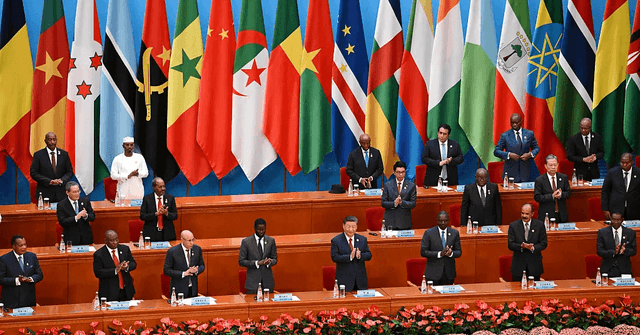
The decision traces back to a high-level agreement reached by heads of state and government at a regional summit in Abuja late last year. For years, policymakers have faced mounting criticism from airlines, businesses, and travelers over what they describe as structurally inflated flight costs across West African airspace.
Regional authorities say the pricing environment has acted as a brake on tourism, cross-border trade, and labor mobility — undermining the bloc’s ambitions for deeper economic integration. Intra-regional routes, in particular, have remained disproportionately expensive compared to comparable distances elsewhere in the world.
ECOWAS officials argue the reforms could reshape the region’s aviation landscape. By removing taxes and trimming mandatory charges, the bloc expects airfares to fall, passenger volumes to rise, and local airlines to become more competitive. Officials also see the move as a catalyst for stronger regional connectivity and closer economic ties.
To ensure compliance, the organization plans to introduce a dedicated monitoring framework to track how member states implement the changes. The oversight mechanism is intended to prevent uneven application of the new rules and ensure that cost reductions translate into tangible benefits for travelers.
If executed as planned, the reform would mark one of the most ambitious efforts yet to lower the price of mobility in West Africa — and could redefine how people and goods move across the region.