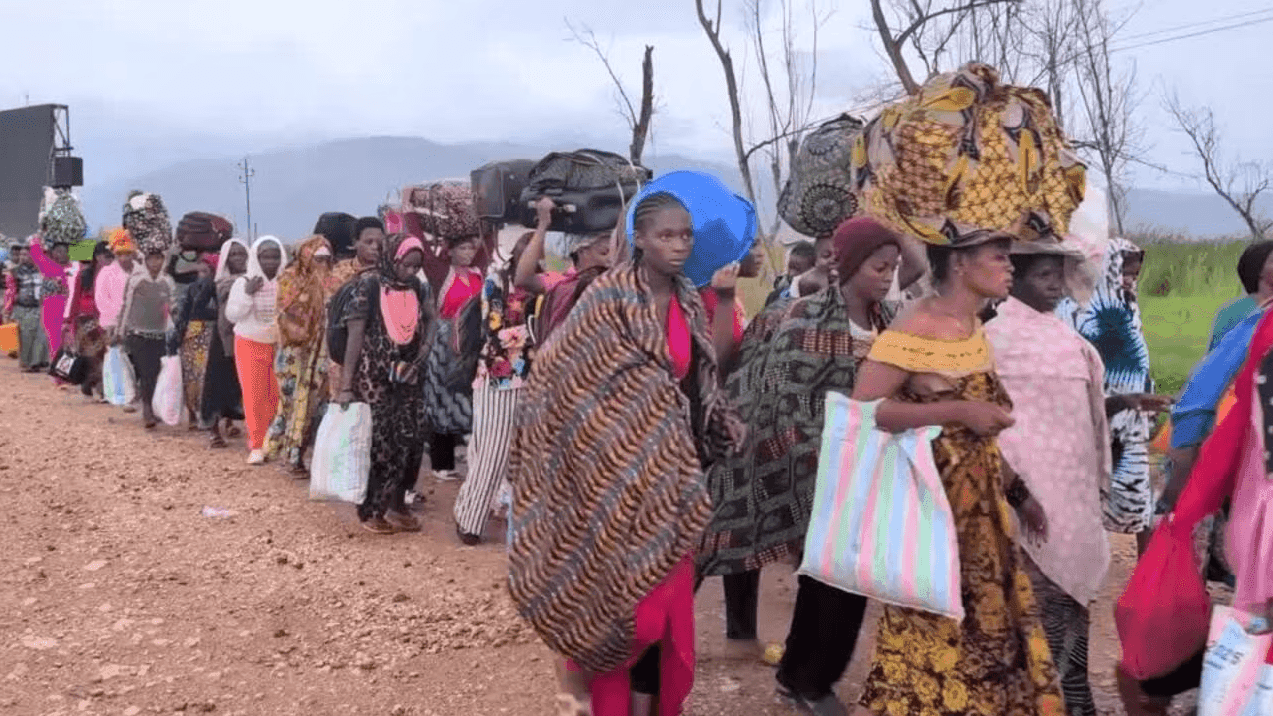
Movement has resumed at a crucial frontier point connecting the Democratic Republic of the Congo and Burundi, ending a suspension that lasted more than two months. The Kavimvira gateway, positioned near Lake Tanganyika, had been sealed off amid escalating hostilities in eastern Congo.
This corridor is a lifeline for commerce, linking Burundi’s largest city with Uvira in South Kivu province. Its shutdown in December followed the advance of the M23 rebel movement toward Uvira, creating security risks and disrupting the steady flow of goods and travelers.
Security Shifts After M23 Pullback
The armed group’s presence in the area prompted fears of further destabilization. Observers suggested the offensive was partly aimed at weakening Burundi’s involvement alongside Congolese government troops.
In January, M23 fighters left Uvira, citing diplomatic engagement supported by the United States between authorities in Kinshasa and Kigali. After national forces reasserted control over the town, provincial leadership authorized the reopening of the crossing early Monday morning.
Local officials described the decision as a sign of improving stability in the immediate vicinity, though tensions remain in other contested districts.
Displacement and Gradual Return
During the height of the clashes, tens of thousands sought refuge across the border in Burundi. With the frontier now accessible again, Congolese families have begun crossing back, hopeful that conditions will allow them to rebuild their lives.
Not all transit points in the region have reopened. Several crossings situated in areas still influenced by M23 remain inaccessible, limiting regional mobility and trade.
Eastern Congo, endowed with vast mineral resources, has endured persistent unrest for decades. The renewed insurgency that began in 2021 reignited violence in a region long troubled by armed factions and geopolitical rivalries, underscoring how fragile peace remains despite temporary improvements.