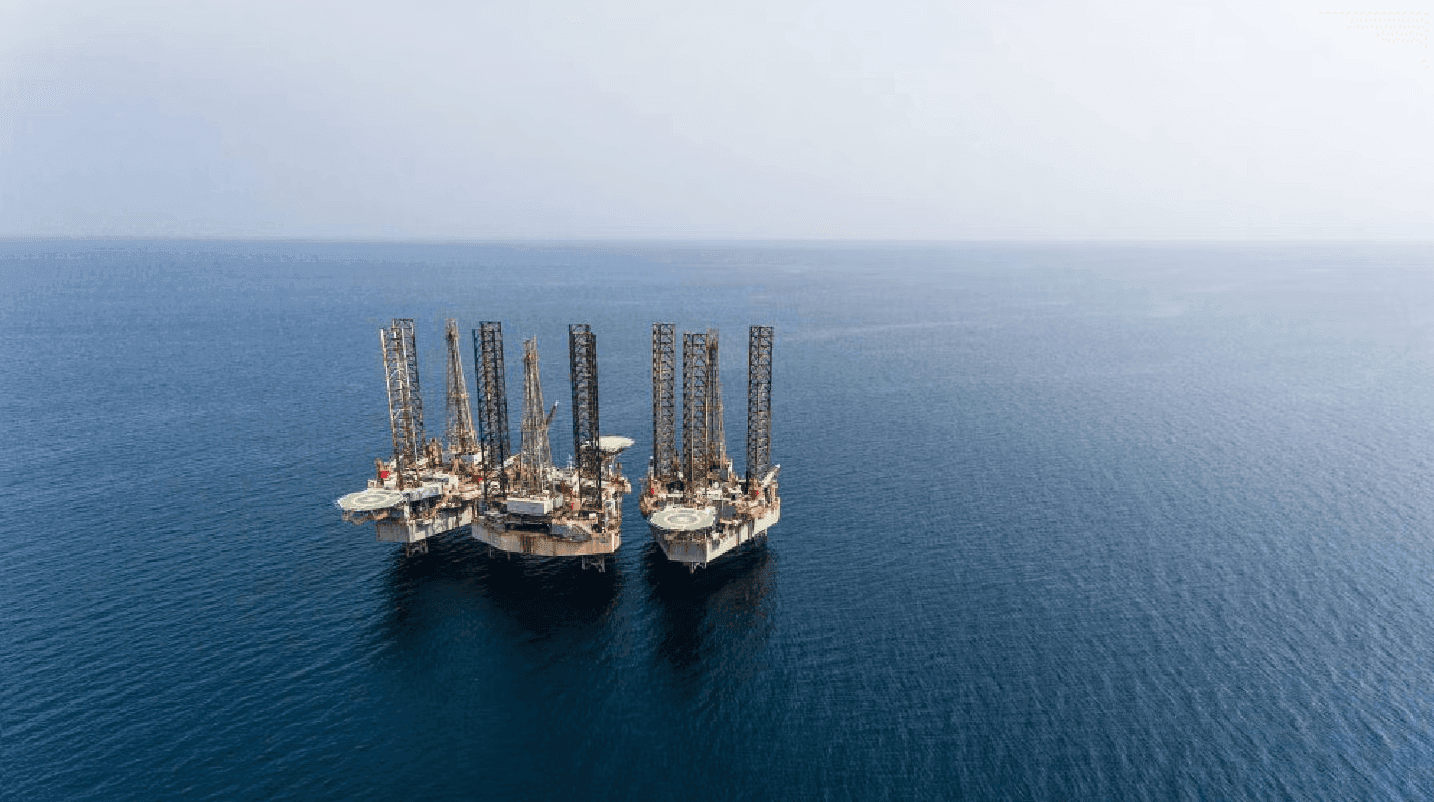
Cameroon and Equatorial Guinea have advanced their energy collaboration by activating a joint development plan for a cross-border offshore gas deposit. The move is designed to accelerate liquefied natural gas production and strengthen economic integration between the two neighboring states.
The reservoir, known as Yoyo-Yolanda, stretches beneath coastal waters claimed by both countries, making coordinated management essential for commercial extraction.
Operational phase officially launched
While a cooperation framework had already been endorsed in 2023, the newly signed operating accord converts political commitments into a structured development program. The agreement was formalized in Malabo during a state ceremony attended by senior officials.
The event was overseen by Teodoro Nguema Obiang Mangue, signaling high-level backing for the venture. Authorities in Equatorial Guinea and Cameroon described the initiative as a milestone in bilateral cooperation and a demonstration of coordinated resource governance.
Infrastructure and export plans
According to project outlines, extracted gas will be transported for processing at the Punta Europa complex, where it will be converted into LNG for shipment abroad. In parallel, an additional route will channel supplies toward facilities near Bipaga in Cameroon, enabling shared economic returns.
International participation remains part of the development strategy. Chevron has reaffirmed its involvement, highlighting continued foreign investment interest in the Gulf of Guinea’s hydrocarbon potential.
Balancing growth with sustainability
Officials argue that the undertaking will generate employment opportunities, enhance fiscal revenues and reinforce regional energy independence. By pooling infrastructure and expertise, both governments expect to secure long-term economic gains.
At the same time, offshore drilling and gas processing bring environmental challenges. Marine biodiversity and coastal ecosystems could be affected if safeguards are insufficient. As implementation progresses, regulatory oversight and environmental standards will play a decisive role in determining the project’s broader impact.