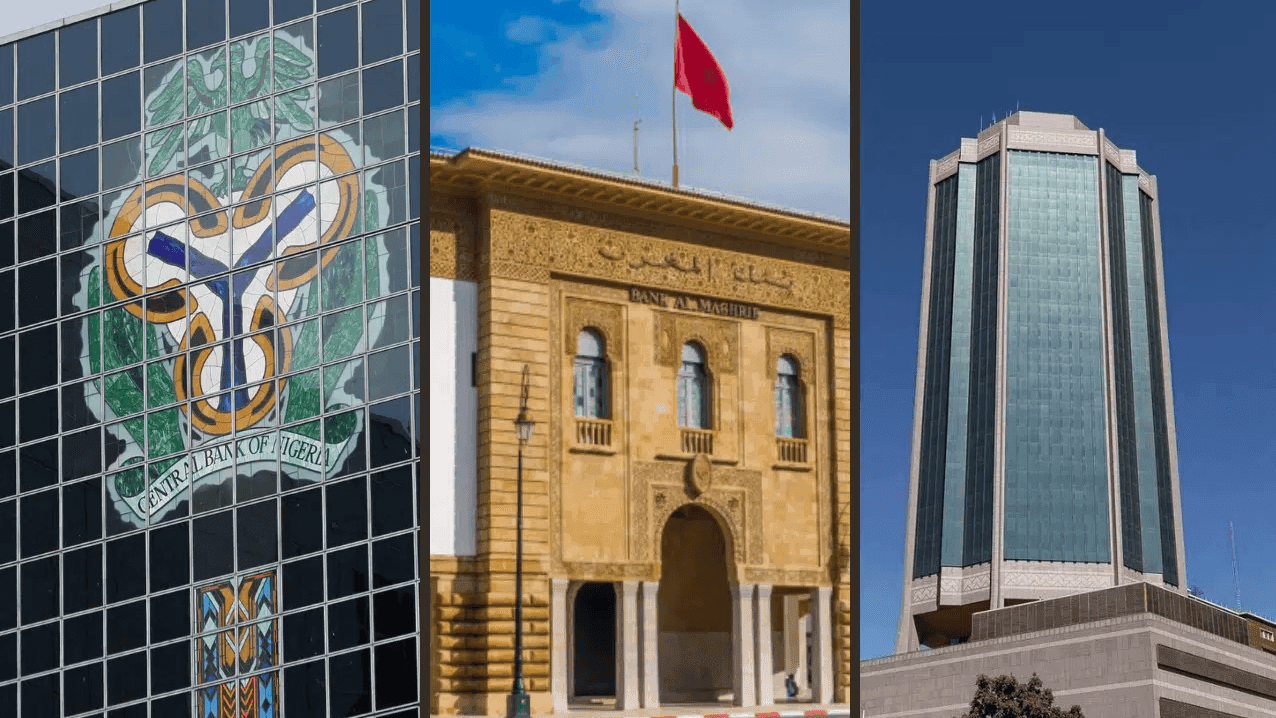
Top financial decision-makers from across the African continent met in Yaoundé for a closed-door summit dedicated to the future of Africa’s monetary architecture. Representatives from 41 national central banks used the forum to examine shared vulnerabilities, with particular attention to how climate disruptions are beginning to strain public finances and banking systems.
Rather than focusing solely on environmental exposure, the discussions revived long-standing ambitions for tighter continental coordination. Officials revisited the role of the African Monetary Institute (AMI), which has re-emerged as a potential institutional bridge toward the creation of a single African Central Bank, a project tentatively envisioned for the middle of the decade.
Despite sharp contrasts between African economies — from inflation dynamics to fiscal capacity — participants acknowledged that fragmented oversight weakens crisis response. Several delegates argued that closer alignment in monetary governance could improve shock absorption, reinforce confidence in financial systems, and create a more coherent long-term economic strategy for the continent.
Zambia’s Credit Rating Improvement Signals Gradual Financial Recovery
After years of financial turbulence, Zambia has recorded its first sovereign credit rating improvement since 2019. S&P Global Ratings raised the country’s score to CCC+, citing measurable advances in debt negotiations and tighter macroeconomic discipline.
The adjustment follows Zambia’s 2020 external debt default and prolonged restructuring talks. While the rating remains firmly within speculative territory, analysts view the move as an early indicator that international lenders are reassessing the country’s risk profile.
Stanislas Zeze, head of Bloomfield Investment Corporation, described the upgrade as a functional shift rather than a symbolic gesture. In his view, a clearer credit outlook can reopen access to foreign capital, particularly for sectors that depend on long planning horizons such as infrastructure development, mining operations, and energy production.
Zeze also emphasized that Zambia’s experience underscores the importance of transparency and political resolve in debt negotiations. Countries that provide clear reform roadmaps and consistent communication, he noted, tend to regain investor trust faster.
He further highlighted the often-overlooked value of domestic-currency credit ratings. Such ratings, Zeze argued, allow governments to tap local capital pools, reduce dependence on foreign exchange borrowing, and support the growth of resilient domestic financial markets.
Rising Prices and Currency Pressure Cool Ghana’s Festive Economy
In Ghana, the usual momentum ahead of the holiday season has softened noticeably. Persistent inflation combined with a depreciating cedi has driven up consumer prices, forcing many households to cut back on non-essential spending.
Merchants in key urban hubs, including Accra and Kumasi, report thinner crowds and slower turnover than in previous years. Essential food items and imported goods — from rice and poultry to cooking oil — have seen sharp price increases, adding stress to family finances already burdened by higher transport and housing expenses.
This downturn has unsettled small traders and informal businesses that rely heavily on year-end sales to remain viable. Although authorities continue efforts to stabilize the currency and contain inflation, both sellers and consumers remain cautious, waiting for signs that economic pressure may ease in the coming months.