Africa enters 2026 with a rare mix of acceleration and anxiety. Forecasts suggest the continent will host more fast-growing economies than any other region in the world next year, even as unresolved structural problems continue to weigh on long-term stability.
Several countries are expected to post growth rates exceeding 6%, with a handful moving far beyond that threshold. The momentum is not uniform, but it is widespread enough to mark a shift in Africa’s economic trajectory after years of uneven recovery.
Growth Engines: Resources, Reforms, and Regional Divergence
At the top of the growth table sit economies driven by natural resource extraction. South Sudan and Guinea are projected to deliver some of the fastest expansions on the continent, largely fueled by oil output and mining activity. These gains, while impressive on paper, remain heavily dependent on global commodity prices and internal political conditions.
In contrast, East Africa’s outlook is shaped less by extraction and more by policy. Uganda, Rwanda, and Ethiopia are benefiting from reform programs that have improved fiscal management, investment frameworks, and infrastructure planning. Together, these countries are expected to average growth close to 7%, underscoring how institutional changes can translate into sustained expansion.
Fragile Foundations Beneath Strong Numbers
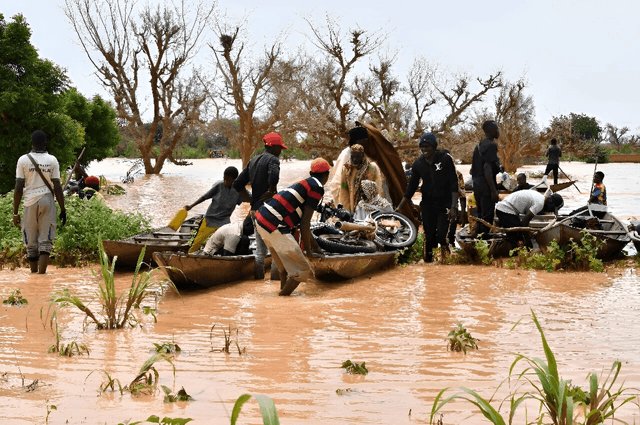
The optimistic projections come with significant caveats. Climate volatility continues to disrupt agriculture and infrastructure, political uncertainty remains unresolved in multiple regions, and public debt has reached levels that constrain policy flexibility.
These risks do not cancel out growth, but they narrow the margin for error. Economic performance in 2026 will depend as much on shock management as on headline expansion figures.
Debt Pressure: A Growing Constraint on Public Policy
Debt servicing will be one of the defining economic realities of the year. African governments are collectively expected to channel close to $95 billion toward creditor payments in 2026.
For some states, the burden is already severe. Kenya, for example, is allocating roughly one-fifth of its total government expenditure to servicing debt. This reduces fiscal space for social programs, infrastructure, and industrial support.
Many policymakers are pinning their hopes on easing global interest rates. Even modest reductions could provide breathing room for highly indebted countries that have struggled with elevated borrowing costs over the past several years.
Power Shortages: The Silent Brake on Industrial Growth
Beyond finance, infrastructure remains a decisive bottleneck—especially electricity.
In Central Africa, unreliable power supply continues to undermine economic diversification. Countries such as the Central African Republic rank among the least electrified globally, limiting productivity and discouraging private investment. For small businesses and manufacturers alike, inconsistent electricity translates directly into higher costs and lost opportunities.
Despite recent investments, progress has been uneven, and power access remains one of the clearest gaps between Africa’s growth ambitions and its operational reality.
What 2026 May Ultimately Reveal
Africa’s economic story in 2026 is unlikely to be defined by a single narrative. Strong growth in select economies will coexist with deep structural challenges elsewhere. Resource booms, reform-driven expansion, debt stress, and infrastructure shortfalls will all shape outcomes simultaneously.
The continent’s performance will depend less on whether growth occurs—and more on whether it proves resilient in the face of mounting pressure.