This beginner-friendly guide presents a curated list of layer 1 crypto coins for 2026. It outlines which base blockchains to track as adoption and market cap evolve.
Who This Guide Is For
Skill level: Beginner. If you are new to Bitcoin, Ethereum, and other base networks, this overview highlights what matters when comparing tokens without heavy jargon.
Focus Topic: Scaling
Our focus is scaling and how throughput, fees, and latency can shape on-chain activity across major base networks.
| Project | Throughput | Fees | Latency |
|---|---|---|---|
| Solana | High | Low | Low |
| Avalanche | Medium-High | Low-Medium | Low |
| Cardano | Medium | Low | Medium |

Layer-1 networks anchor the wider blockchain economy, enabling countless applications and services.
- Leading layer-one platforms to watch in 2026 include Near Protocol, Algorand, Sui, Aptos, Hedera, Internet Computer, Sei, and Toncoin.
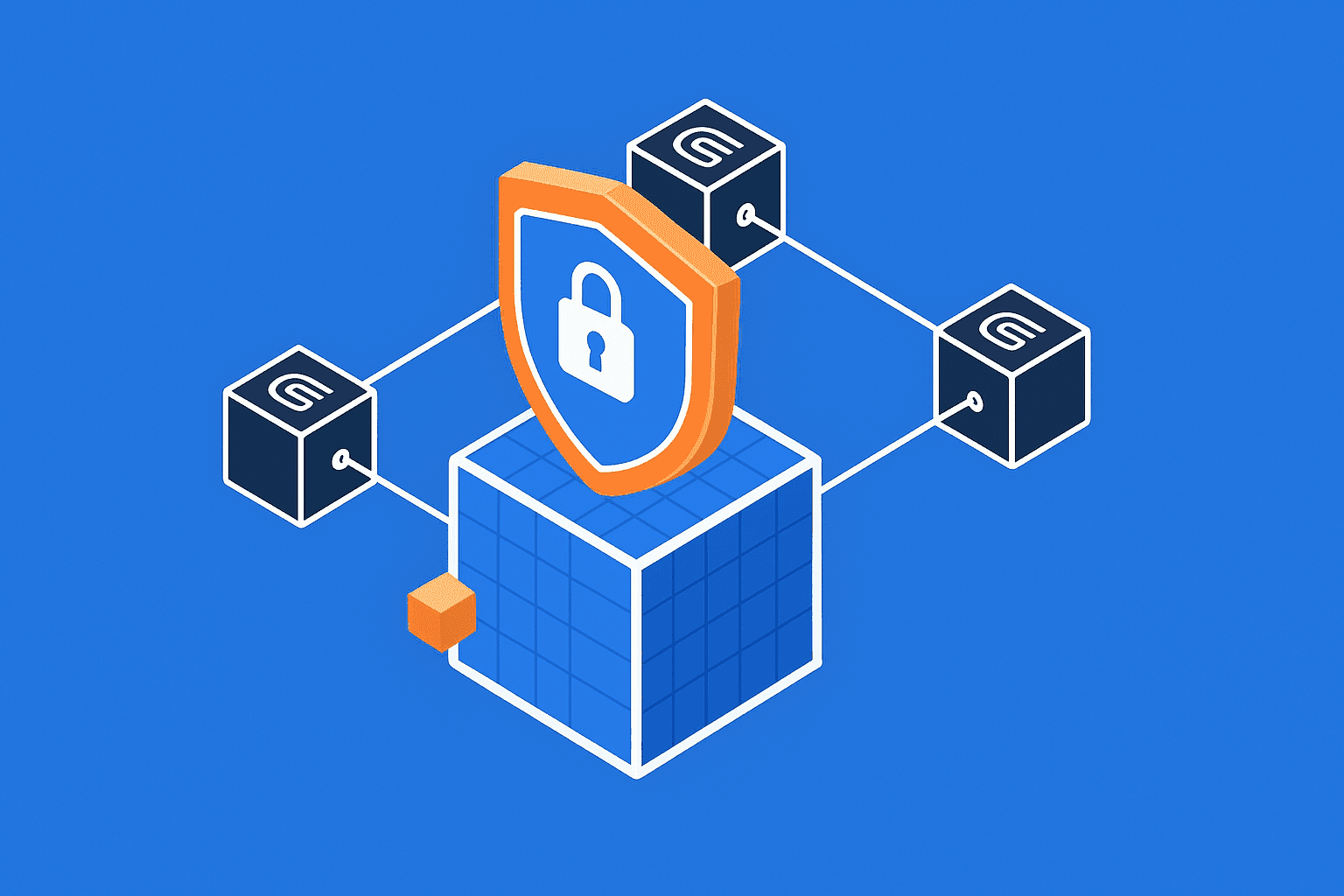
Layer 1 crypto refers to the native asset (and the broader ecosystem) of a base blockchain where transactions are executed and finalized directly on that main chain. A Layer 1 blockchain typically has its own consensus mechanism, validator set, ledger history, and rules for how blocks are produced and verified.
Layer 1, Layer 2, and Layer 3 describe where a network sits in the stack. Layer 1 is the base chain that provides settlement and security. Layer 2 is built on top of a base chain to increase capacity or reduce costs while still relying on the base layer for final settlement. Layer 3 is usually an application-specific layer built on top of a Layer 2 (or occasionally directly on a base chain) to tailor performance, privacy, or app logic for a narrower use case.
Layer 2 cryptos generally refer to the tokens and ecosystems associated with these scaling systems. Common Layer 2 approaches include rollups and other off-chain or semi-off-chain execution methods that post proofs or data back to the base chain. Examples of Layer 2 solutions include Arbitrum, Optimism, Starknet, and zkSync.
What makes Layer 1 networks unique is that they are the “ground truth” for their ecosystem: they handle core security and consensus, provide final settlement, define the fee market, and set the rules that every application and add-on layer ultimately inherits.
Some prominent layer-one crypto coins include Bitcoin, Ethereum, Solana, Avalanche, Cardano, Tron, Tezos, Fantom, Injective, and Kaspa.
Benefits of Layer 1 blockchains can include stronger settlement guarantees (because the base chain is the final authority), native composability for apps built directly on the chain, and the ability to evolve through protocol upgrades. Limitations can include congestion during peak demand, higher fees when block space is scarce, trade-offs between decentralization and throughput, and the operational complexity of coordinating upgrades across a distributed validator set.
Investing in Layer 1 tokens can be risky. Key safety considerations include market volatility, token supply changes and dilution risk, validator or governance centralization, security incidents (including consensus or client bugs), regulatory uncertainty, and ecosystem risk if developer activity or user demand declines.
Xrp is generally considered Layer 1 in practice because it runs on the Xrp Ledger, a standalone base blockchain with its own consensus process and validator network. It is not a Layer 2 system that depends on another base chain for settlement.
No one can reliably identify which coin will go 1000x, and predictions at that scale are highly speculative. When outsized returns do happen, they tend to involve a mix of factors such as strong product-market fit, rapid ecosystem growth, sustainable token economics, clear demand for block space, credible security, and enough liquidity to support broader participation. This is not investment advice, and you should assume you can lose the full amount you put into high-risk crypto assets.
If you want to screen for potentially undervalued Layer 1 projects, common data platforms and trackers include CoinMarketCap, CoinGecko, Messari, DefiLlama, CryptoRank, and TradingView.