Since the beginning of 2021, trading venues for digital assets have welcomed a wave of first-time participants; the roster of top-tier exchanges expanded alongside a user base topping 100 million, with January growth reaching 15.7%. Although momentum cooled afterward, this market is known for sharp rallies and drawdowns, so a fresh surge would not be surprising.
To absorb spikes in trading volume, cryptocurrency exchanges must rely on resilient infrastructure and modern technology. Unlike long-established stock markets that refined procedures over decades, many crypto platforms lack a deep operational history to process sudden floods of new customers and transactions. Even after a downturn, a quick rebound can send users back to open accounts at scale.
In crypto, “Tier 1” is an informal label for large, widely trusted exchanges that combine deep liquidity and high trading volume with a strong track record on uptime, security controls, and compliance. These venues typically have broad global reach, mature risk management, clearer listing standards, and the ability to support heavy onboarding and institutional-grade activity.
“Tier 2” exchanges are generally smaller or more regionally focused platforms with lighter liquidity, fewer products, or a shorter operating history. They can still be reputable, but the gap often shows up in market depth, breadth of supported assets and fiat rails, compliance coverage across jurisdictions, and the resources devoted to security and customer support.
Top-tier venues usually offer more than spot trading, including derivatives, staking, lending, fiat on- and off-ramps, mobile apps, and API access for advanced users. Those benefits—liquidity, reliability, and a more polished user experience—can come with trade-offs, including stricter identity requirements, greater data collection, centralized custody risk, and the possibility of service changes driven by regulation.
Whether an exchange is “Tier 1” can also depend on the criteria used. Bybit, for example, is commonly viewed as a top-tier derivatives venue based on volume, liquidity, and product depth, but some rankings may place it outside the first tier if they weight regulated market access and licensing coverage more heavily.
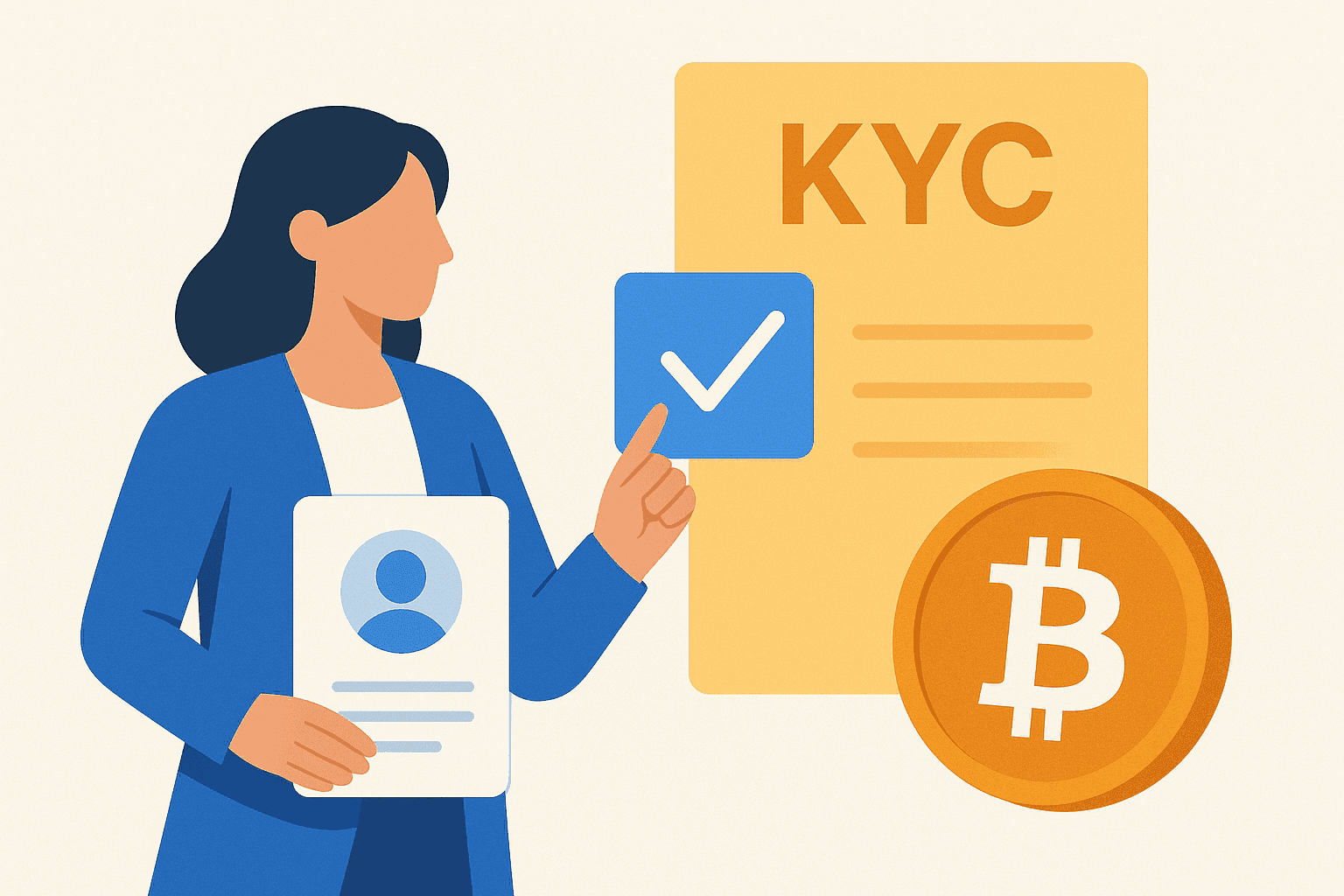
Identity verification is essential for Know Your Customer compliance, but if checks are not streamlined and automated, sign-up friction grows. Slower reviews hinder customer onboarding, which can trigger abandonment and reduce revenue for the exchange. Leading exchanges also pair identity checks with controls such as cold storage practices, account protections like multi-factor authentication, routine security audits, penetration testing, and (where available) insurance arrangements to help manage fraud and breach risk.
Below, we look at how several major exchanges approach identity checks. Which steps are required? How straightforward is registration? What safeguards are in place to protect users and the businesses that serve them?
| Exchange | Verification Levels | Required Information | Processing Time | Special Notes |
|---|---|---|---|---|
| Coinbase | Limits-based verification | Varies by account limits and risk signals | Not stated | Account limits vary by account tenure, purchase activity, and payment methods |
| Kraken | Tiered accounts | Personal details are required; additional information is requested at higher tiers | Not stated | Geographic restrictions apply by account type and permitted transaction levels |
| Binance | Tiered verification | Requirements increase by level | Not stated | Deposit and withdrawal limits depend on verification status |
| Bitfinex | Tiered verification | Minimal requirements for basic access; expanded checks for fiat features | Approximately 2–3 days (varies by level) | Verification is mandatory to deposit or withdraw fiat |
| OKEx | Multi-level verification | Verification applies to certain activities; requirements vary by level | Not stated | Crypto deposits and trading can be available without completing verification |
Coinbase Verification
Coinbase, launched in 2012 in the United States, operates a widely used wallet and cryptocurrency exchange. It reports more than 56 million users and recorded over $335 billion in digital asset trading volume in the first quarter of 2021. The company later went public, becoming the first major cryptocurrency exchange to take that step.
Account limits vary by factors such as the verifications on file, account tenure, purchase activity, payment methods, and other risk signals.
Coinbase may request the following verification elements:
- Phone number (for Coinbase account verification).
- Personal details (such as name and address).
- Photo identification.
- Social Security number (for U.S. customers).

Kraken Verification
Kraken, a U.S.-based cryptocurrency exchange founded in 2011, supports 50+ tokens. It positions itself as a leader in euro-denominated Bitcoin liquidity and also facilitates trading in Canadian dollars, U.S. dollars, British pounds, and Japanese yen.
Kraken uses four account tiers to set features and limits:
- Starter.
- Express.
- Intermediate.
- Pro.
Higher tiers unlock broader funding options and higher ceilings, with the top tier offering the most flexibility.
Users must be at least 18 years old to open or maintain an account. Geographic restrictions apply depending on account type, available services, and permitted transaction levels. All tiers require an email address, full name, date of birth, phone number, and a physical address for verification. At higher tiers, employment information and, for U.S. customers, a Social Security number are also required.
The upper tiers add identity document submission, proof of residence, and—in South Africa or the United States—a face photo. The highest tier also includes a Know Your Customer questionnaire.
Binance Verification
Binance is a global cryptocurrency exchange that blends finance and technology to enable trading across many digital asset pairs. It is frequently cited as the world’s largest cryptocurrency exchange by trading volume, emphasizing security, liquidity, and efficient access.
Binance provides three verification levels, each tied to specific deposit and withdrawal limits:
- Basic: Name, address, date of birth, and nationality (lifetime limit: $300).
- Intermediate: Government-issued photo identification (such as a passport, national identity card, or driver’s license).
- Advanced: Proof of address (for example, a bank statement or utility bill).

Bitfinex Verification
Bitfinex, founded in 2012, is a cryptocurrency exchange known for high-volume Bitcoin trading against the U.S. dollar.
The platform lists 38 currencies and tokens, and also offers margin trading, margin funding, and an over-the-counter venue for large block trades. Correspondingly, it supports four verification levels: Basic, Basic Plus, Intermediate, and Full.
Verification is mandatory to withdraw or deposit fiat. Processing can take approximately 2–3 days depending on the level. Users can, however, deposit, trade, and withdraw cryptocurrencies immediately after opening a Basic account, which has minimal sign-up requirements.
Individual requirements vary by Basic Plus, Intermediate, or Full verification, but in general they include:
- Age: 18 or older.
- Personal information: Telephone number, email address, and residential address.
- Identification: Two valid government-issued photo identifications (for example, a passport, national identity card, driver’s license, residency card, or employment permit card).
An Intermediate level also includes proof of address, while Full adds a financial statement requirement.
OKEx Verification
OKEx, established in 2014 and operating from Hong Kong, ranks among the largest digital asset exchanges by trading volume. It serves millions of users across 100+ countries, transacting roughly $1.5 billion in Bitcoin futures daily, and it also offers spot, margin, options, perpetual swaps, DeFi services, lending, and mining.
At OKEx, identity checks are structured to maintain a secure environment. Users complete verification for the following activities:
- Buying crypto with fiat currencies. Users may need to complete verification through a third-party provider to make fiat purchases.
- Withdrawing more than 10 BTC in a single day.
Identity verification is not required to deposit or trade crypto on the platform.
For individuals, verification is organized into three levels:
- Level One (Basic Identification): Nationality, full name, and identification document number.
- Level Two (Photo Identification): Photo identification and a facial verification step.
- Level Three (Disclaimer): Read and acknowledge a platform disclaimer in the OKEx app or on the web.
Identity Verification for Crypto Exchanges
All five exchanges highlighted here require some form of identity check to support Know Your Customer obligations. Typically, onboarding starts with electronic identity verification using basic personal data, followed by document and biometric checks for higher-value accounts.
As participation grows and more capital flows into crypto assets, regulators continue refining specific compliance expectations for exchanges and related entities. Common requirements include customer due diligence, anti-money laundering programs, sanctions screening, transaction monitoring, recordkeeping, and reporting of suspicious activity. In some jurisdictions, exchanges must also meet licensing or registration standards and implement “travel rule” processes for certain transfers.
For users choosing a top-tier exchange, key considerations often include fees, supported assets and markets, liquidity, security track record, custody practices, reliability, customer support responsiveness, regulatory posture in your region, and how easy it is to fund and withdraw through fiat rails. It is also worth understanding how strict identity checks are, what account limitations apply without verification, and what protections are available if access is lost.
Listings on large, reputable exchanges can materially affect a token’s trajectory by improving liquidity and price discovery, increasing visibility, and lending credibility with some participants. The same exposure can also amplify volatility and scrutiny, especially if a project cannot sustain the attention that comes with broader access.
Clear, harmonized guidance is likely helpful to exchanges, but a relaxation of identity and compliance expectations is unlikely. To stay ahead, platforms should ensure their workflows are rigorous, secure, compliant, and as fast and user-friendly as possible for both customers and staff.