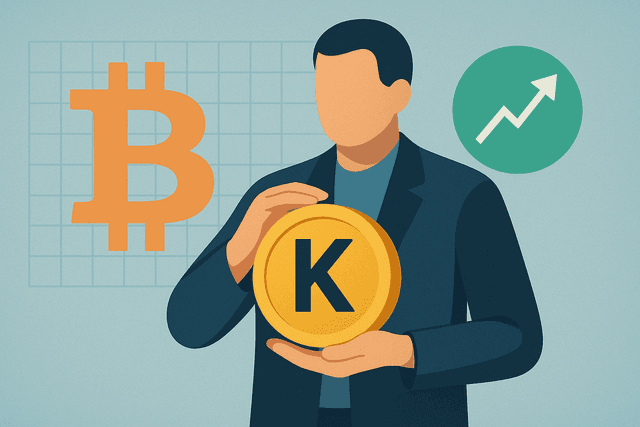
Searching for what “shill” means in crypto? In short, it describes coordinated promotion designed to boost attention and demand for a project, a pattern that was especially visible during the 2021 bull run.
What Does Shilling Mean in Crypto?
At its core, shilling is explicit or subtle promotion of a cryptocurrency to inflate attention and buying interest. It does not directly mean “sell”; it means pushing others to buy, often so the promoter can sell later at a better price.
Promoters often pitch tokens with inflated utility claims and one-sided upside narratives, typically to offload their own holdings later at a premium.
How These Promotion Tactics Operate
Shillers use platforms such as YouTube and Twitter to tout coins, forecasting extreme upside while presenting the pitch as organic content. Many also hold the same asset they tout, aiming for a pump-and-dump exit. Beyond public feeds, this behavior is also common in Telegram groups, Discord servers, and Reddit threads where rapid “community” coordination is easy.
Some push blatant profit promises; others lean on softer persuasion. A common thread is keeping incentives murky. The most predatory even tolerate, or quietly enable, rug pulls.
For investors, the danger is straightforward: you can buy into an overhyped token at an inflated price, only to watch liquidity dry up when the campaign ends. On a larger level, shilling fuels manipulation, normalizes misleading promotion, and erodes trust across the crypto ecosystem—especially when pump-and-dump activity or rug pulls leave newcomers burned.
When a trade idea depends more on excitement than evidence, the safest move is to slow down and verify the claims with independent research.
Examples: A Hypothetical Token Campaign
It is easiest to illustrate with a made-up scenario.
Imagine a coin named Shill priced at $1. As the founder, you keep one-fifth of the overall issuance and reserve another fifth for promotion. You recruit creators on Twitter and YouTube, paying a fee plus 2% of the supply each to produce content that praises the project and funnels their audiences into your community.
If the push lands and the right voices join in, the price may rise to, say, $1.50 in a hot market. You and the paid promoters now sit on a 50% paper gain, and you begin selling gradually to avoid crashing the chart or exposing the scheme.
In real markets, this can look like coordinated hashtag waves, “raid” events in chat groups, paid video segments framed as reviews, and sudden bursts of posts repeating the same talking points across multiple accounts. It also shows up as communities organizing mass upvotes and replies to manufacture the impression of broad, organic demand.
Do All Crypto Tokens Engage in Shilling?
Not every project markets this way; authentic advocates exist and can be recognized.
- Disclose stake or relationship.
- Avoid wild price predictions.
- Avoid excessive hype.
- State personal gain clearly.
Spotting Shilling: Red Flags to Watch
Several signals reveal when a coin is being pushed mainly to drive a short-term price pump. To minimize the influence of shills, take a beat before buying, look for clear “ad” or sponsored labeling when promotion is involved, and verify claims with independent research (token distribution, unlock schedules, liquidity conditions, and whether the supposed “news” exists outside the promotional bubble). Avoid buying purely out of fear of missing out, and treat urgency as a reason to double-check—not a reason to click “buy.”
| Type of Shiller | Typical Behavior | Warning Signs |
|---|---|---|
| Influencers | Operate as paid promoters or present promotional content as neutral commentary, often cycling through unrelated tokens. | Repeated token callouts with shallow specifics. Constant rotation of new projects. Hashtag-heavy posts that read like ads. “Can’t miss” framing with little discussion of downside. |
| Marketers | Take a position, then orchestrate a campaign aimed at retail and funds using scarcity narratives and big upside claims. | High-pressure messaging designed to create urgency. Overstyled branding paired with vague fundamentals. Promotional bursts that coincide with aggressive buying, followed by quiet distribution. |
| Enthusiastic Founders and Team Members | Overpromise breakthroughs or trendy “blockchain” use cases to pull attention toward their project. | Buzzword-loaded announcements without concrete deliverables. Roadmaps that slide repeatedly. Community messaging that stays promotional while real progress remains hard to verify. |
Influencers
If an influencer is the main reason a token is on your radar, pause and confirm the story from primary materials and independent sources. Compare multiple viewpoints, and make sure you can explain the token’s value proposition without repeating the creator’s phrasing.
Marketers
When a campaign feels professionally packaged, focus on mechanics rather than aesthetics. Check how supply enters the market over time, how liquid the trading venue is, and how easily early holders can exit into new demand.
Enthusiastic Founders and Team Members
Teams will naturally promote their own work, but your job is to separate vision from execution. Track whether milestones are met, whether product changes match earlier claims, and whether evidence of progress is visible beyond social posts.
Delivery often lags. Some large projects have faced accusations of perpetual promotion cycles that never translate into real utility. These promoters push a “long game,” fixating on one project and recycling promises while disparaging competitors.