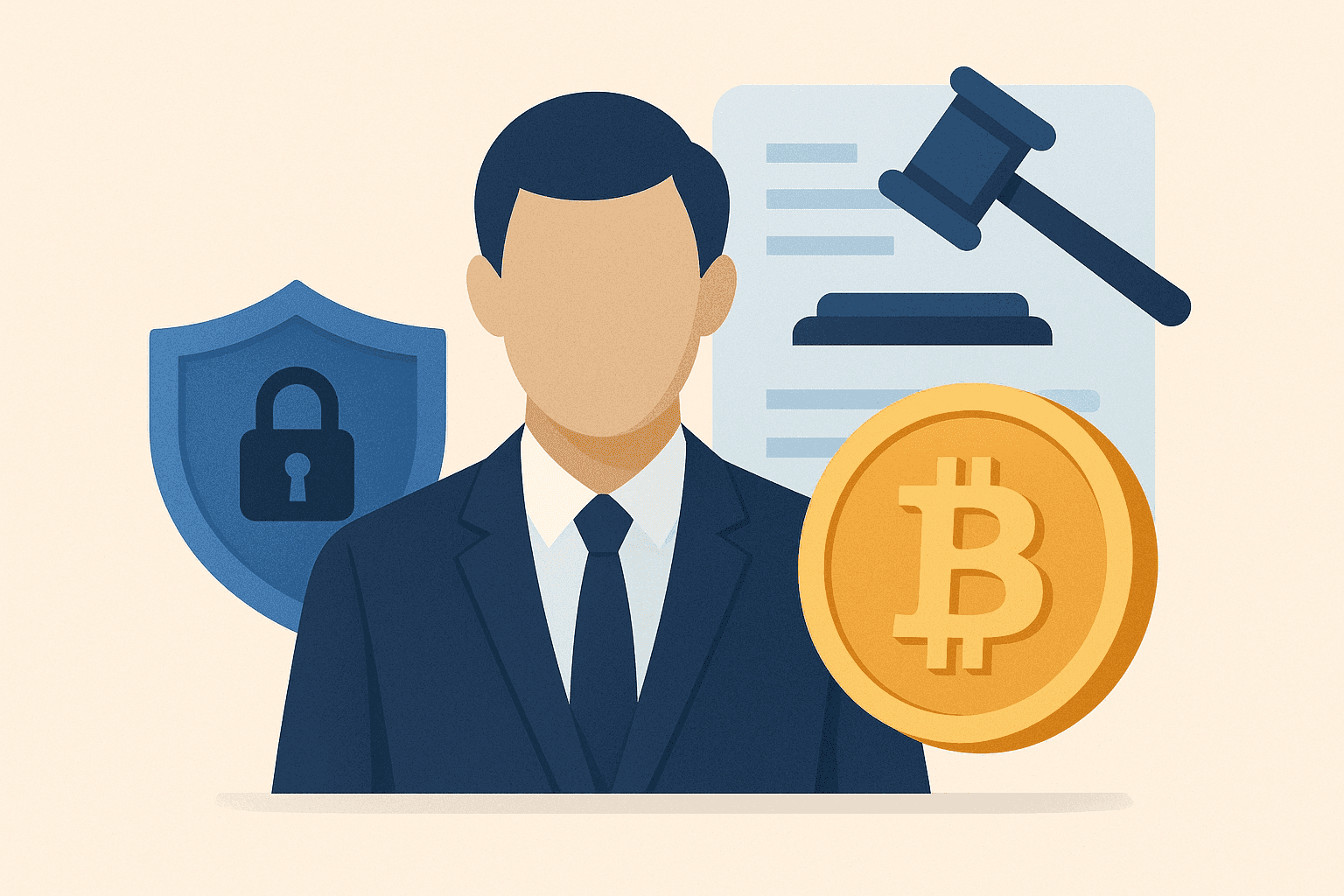
This guide breaks down the SEC crypto landscape, introducing the Securities and Exchange Commission (SEC) and its new task force—and how it could influence digital-asset regulation and market oversight. The SEC is a U.S. regulatory agency that enforces federal securities laws and oversees key parts of the securities markets to protect investors and promote fair, orderly markets.

What Is the SEC’s Digital-Asset Task Force?
Led by Commissioner Hester Peirce, the task force is a new group within the Securities and Exchange Commission created to address policy, compliance, and market-structure issues unique to cryptocurrency and other digital assets. While the task force is led by a commissioner, the SEC itself is led by a chairman; most recently, that role was held by Gary Gensler.
Its launch signals a push to provide clearer guardrails for crypto while recognizing the sector’s rising importance to the broader economy. After SEC Chairman Gary Gensler left in January, the agency, under President Donald Trump, indicated a turn toward a more collaborative approach with industry voices.
In practice, the SEC’s crypto posture is evolving toward clearer expectations—without abandoning its focus on investor protection and market integrity.
Beyond general oversight, the SEC’s stance can shape how blockchain projects raise capital, what disclosures they provide to the public, and how token-related products are structured and marketed. It can also influence innovation by signaling which models may face higher regulatory friction and which may fit more cleanly within existing securities frameworks.
What Does the Task Force Do?
Though still early, the unit has moved quickly to define its remit and near-term goals.
In the years ahead, it is expected to monitor crypto markets and pursue compliance actions where needed.
- Exchanges.
- Service providers.
- Individual tokens.
- Rulemaking for digital assets.
More broadly, the SEC regulates crypto through a mix of mechanisms, including registration requirements (for offerings and certain regulated activities), enforcement actions (when the agency believes securities laws have been violated), and public guidance that clarifies how existing rules may apply to emerging products and market practices.
To determine whether a cryptocurrency or token is a security, the SEC often looks to the Howey Test, which focuses on whether there is an investment of money in a common enterprise with a reasonable expectation of profits to be derived from the efforts of others. In practical terms, the analysis tends to weigh factors such as how a token is marketed, whether purchasers are led to expect returns, the role of a central team in driving value, and the degree of decentralization in the network’s ongoing operation.
Key enforcement themes and precedents in the crypto space have included alleged unregistered token offerings, products that resemble securities (such as certain yield or lending arrangements), and disputes over how trading and custody functions should be regulated. Over time, the SEC has brought major matters involving firms and projects such as Ripple, Coinbase, Binance, Kraken, Telegram, Kik, and BlockFi.
Commissioner Peirce has pointed to stablecoin policy as a priority as usage grows. The group’s advisory role will lean on engagement with builders and market participants so that any new standards for cryptocurrencies reflect real-world operations and risks.
For crypto businesses trying to stay aligned with the SEC’s expectations, common compliance steps include: evaluating whether a token or product could be treated as a security; determining whether an offering needs registration (or qualifies for an exemption); adopting disclosure and marketing practices that avoid misleading claims; maintaining governance, recordkeeping, and internal controls appropriate to regulated activities; and implementing investor-protection, cybersecurity, and financial-crime controls (including anti-money laundering and know-your-customer processes where applicable, often alongside other U.S. regulators).
Challenges and Opportunities Ahead
Governing this domain is demanding. Blockchain networks evolve rapidly, market practices grow more sophisticated, and security considerations shift alongside new tools and behaviors.
Key challenges include:
- Aligning traditional securities laws with crypto.
- Ensuring standards are durable and flexible.
- Adapting to evolving products, wallets, and infrastructure.
From the SEC’s perspective, cryptocurrency-related securities can amplify familiar investor-protection concerns—such as fraud, misleading disclosures, and conflicts of interest—while also introducing market-manipulation risks, custody and operational hazards, technology-driven vulnerabilities (including hacks and smart-contract failures), and information gaps that can disadvantage retail participants.
A specialized unit also creates openings for the SEC to deepen its understanding of decentralization and co-develop practical rules with the community. By prioritizing collaboration over regulation-by-enforcement, the task force could become central to the Commission’s work and support healthy, sustainable growth across the crypto market. Looking ahead, the most likely direction is continued debate over where existing securities laws fit cleanly, where tailored guidance could reduce uncertainty, and how the SEC should coordinate with other policymakers as crypto market structure and on-chain finance evolve.