In Web3 discourse, a raid refers to a coordinated push on a tweet: participants post focused replies about a specific project or community to catch the author’s eye and ignite broader visibility.
The point is usually simple: raise awareness, create social proof, and trigger the platform’s engagement signals so more people see the post. Some raids aim to bring new collectors to an NFT drop, revive attention during a quiet period, or rally support around a creator or community moment.
A typical NFT raid works in a few steps: someone shares a target post, gives brief talking points, and sets a time window. Participants reply with on-message comments (ideally adding something original), like and repost, and keep the thread active long enough to lift it into wider feeds.
If you get raided, it means your post or account becomes the target of that coordinated attention. The most common effects are a sudden spike in replies and notifications, more visibility, and a wave of community members trying to influence how the conversation frames a project; depending on tone and volume, it can also feel spammy or turn adversarial and invite scrutiny from onlookers or the platform.
“Winning” a raid is usually an informal community idea rather than an official metric: it might mean the group hit its engagement goal, or a participant is recognized as a top contributor for helpful replies and consistent activity. Rewards, when they exist, tend to be community recognition (shoutouts, roles, points) or small perks tied to the project, such as allowlist consideration.
To participate, you generally monitor your community’s raid call, open the target post during the specified window, and follow the talking points without copying and pasting the same line. Staying constructive and relevant matters, because low-quality spam can backfire and reduce trust in the project.
Common tools for a successful raid include the X app itself, a shared tracker for assignments and progress, and lightweight templates for talking points that still leave room for unique replies. Common mistakes include copy-paste replies that look botted, over-tagging unrelated accounts, making claims that can’t be backed up, and piling on in ways that resemble harassment rather than genuine discussion.
Where Raids Focus in the NFT Market
These campaigns usually target influential figures in the NFT scene—creators, founders, or analysts—or they amplify posts from the community itself to drive interaction and draw in potential investors exploring the asset.
Raids can take a few forms. Engagement raids focus on boosting replies, likes, and reposts around a specific post; shill raids push a project’s narrative aggressively to attract attention; and bear raids are coordinated negative pressure meant to damage sentiment and, in market contexts, potentially contribute to sell pressure.
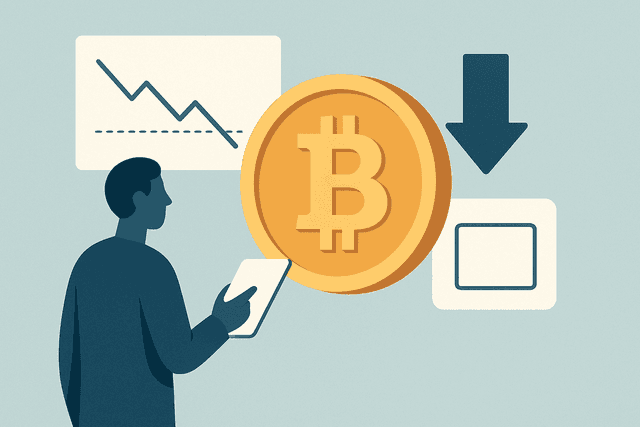
A bear raid, in market terms, is an attempt to push an asset down through coordinated selling, short pressure, or amplifying fear and doubt to influence other traders. These events can increase volatility, trigger liquidations in leveraged markets, and shake confidence even if fundamentals haven’t changed.
To protect yourself from a bear raid, focus on risk controls rather than reacting to noise: avoid over-leverage, plan exits in advance, be cautious with thin liquidity, and verify alarming claims before acting on them. For projects, fast, factual communication and clear updates can limit the impact of misinformation, while long-term holders often reduce exposure by sizing positions realistically and not relying on short-term sentiment.
Bear raids are often discussed alongside bear traps, but they aren’t the same idea. A bear raid is about coordinated pressure to drive a move down, while a bear trap is a market pattern where price appears to break down, lures traders into short positions, and then reverses upward.