Meet Prank Wallet, a prank wallet built for rapid testing and risk-free exploration. It lets you browse dapps as any address and preview on-chain outcomes before you commit, while keeping your actual keys safe. In impersonation and simulation mode, it does not take custody of (or move) real funds for the assumed address, and simulated runs do not broadcast transactions to the network.
Project Description
This developer-centric wallet doubles as a simulation workbench for blockchain interactions.
It introduces two standout capabilities:
- Impersonate any on-chain account instantly.
- Simulate a pending transaction from your own key or an assumed identity.
For example, you can load Uniswap and view it exactly as would.
Note: When acting as another address, the app will not sign transactions, but the interface renders precisely as that account would see it.
Jump into any site—whether a local protocol you are building or a live production dapp—and trial interactions in seconds from a familiar wallet interface. This lowers the barrier for non-Ethereum virtual machine specialists such as designers, product managers, quality assurance, and newer developers.
Everyday users also benefit. The simulator surfaces likely side effects—like token transfers—before anything is sent, helping expose phishing attempts or bad parameters in time. This preview is a safety layer, not a guarantee: you still need to verify the destination, amounts, and approvals, and you should use an established wallet for long-term custody.
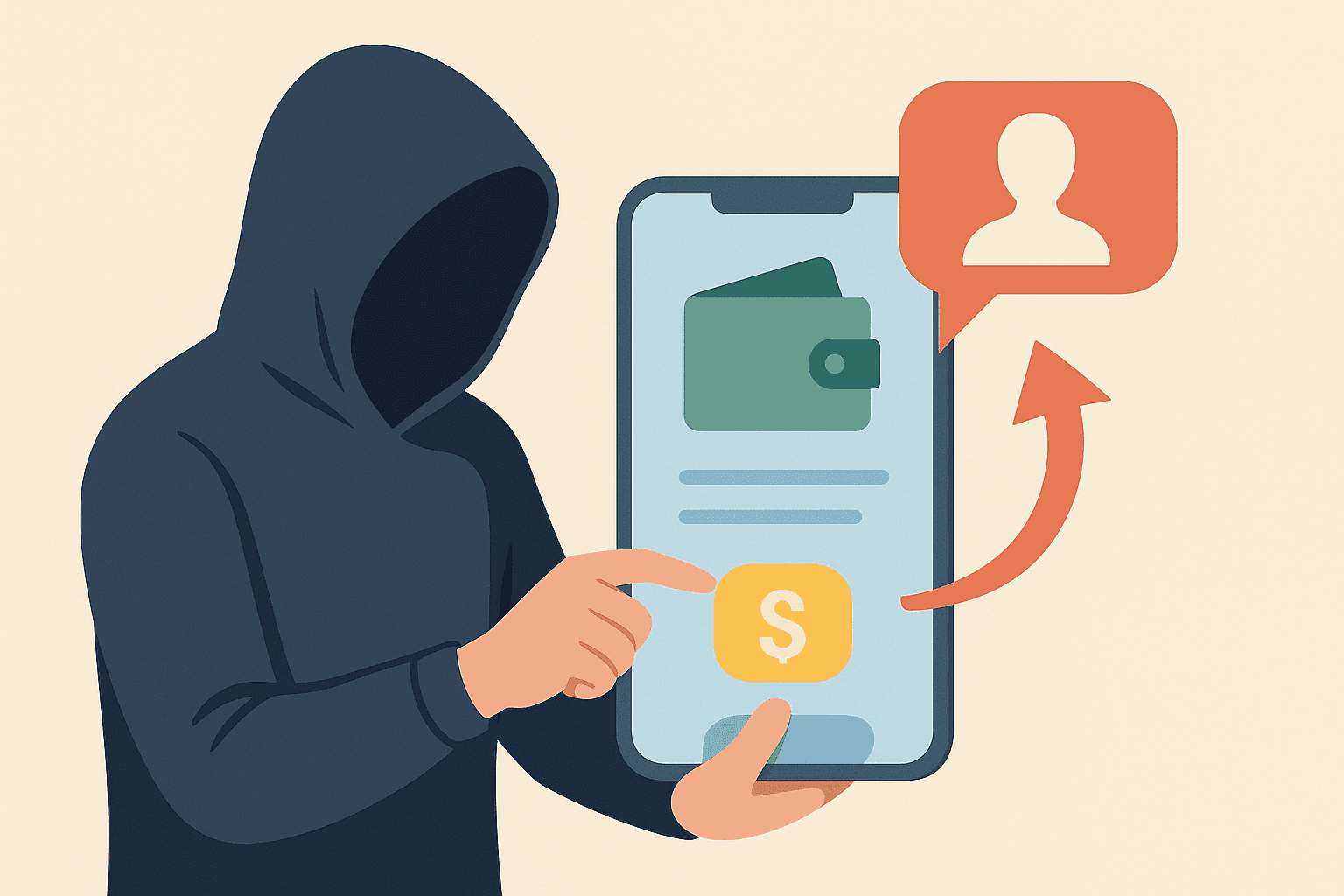
In general, “prank” wallet apps fall into two very different buckets: (1) legitimate simulation tools that preview outcomes without sending funds, and (2) fake wallets that display made-up balances or try to steal secrets. Typical prank mechanics include showing a “what would happen” confirmation, swapping the active address for read-only inspection, and rendering a wallet-like approval flow without actually submitting a transaction.
Common prank scenarios include showing a fake “received” balance to mislead someone, presenting a simulated “swap succeeded” receipt without a broadcast, or using read-only address switching to demonstrate how a dapp looks for a whale address. A simulation-first tool is meant to make these flows explicit and safe for testing, not to deceive people.
If you want a free crypto wallet for real use, many reputable options are free to download (you still pay network fees when you transact). Examples include MetaMask and Trust Wallet. To get one safely, install it only from the official app store listing or the official browser extension marketplace, verify the publisher name, create a new wallet, and back up your recovery phrase offline.
Yes, crypto wallets can be hacked in practice, usually through phishing and theft of recovery phrases, malicious extensions, malware, social engineering, or compromised devices and accounts. Basic defenses include never sharing your recovery phrase, using a hardware wallet for meaningful funds, turning on strong device security and two-factor authentication where applicable, reviewing token approvals, and installing wallet software only from official sources. A simulation tool can reduce the risk of signing something dangerous by letting you preview effects first, but it can also be risky if you install a malicious “prank” app that is actually a credential stealer.
Bitcoin addresses are traceable on a public ledger: transactions are visible to anyone, and specialized analytics can follow flows between addresses. Law enforcement can often connect addresses to real identities through exchange records, subpoenas, device seizures, and operational mistakes. A prank or simulation wallet does not make bitcoin untraceable and should not be viewed as a way to evade tracking.
As for buying BTC with OPay: OPay is primarily a payments and fintech app, and crypto purchase support (if offered at all) can vary by region and product. If your OPay app includes a crypto feature, it is typically surfaced as a dedicated product and may be provided through a partner; if it does not, an alternative is to fund a regulated exchange using bank transfer or card rails available to you, or to use a reputable peer-to-peer marketplace where payment methods like OPay transfers may be accepted by sellers.
Compared with “demo accounts,” a prank or simulation wallet is useful when you need realistic state and realistic interfaces: a mainnet fork can reflect actual balances, allowances, pool states, and contract behavior, while demo environments are often simplified, isolated, or limited to testnets. The tradeoff is that a simulation wallet is tooling: it is great for previewing and testing, but it is not a substitute for careful key management and trusted production-grade custody.
While the idea overlaps with services like Tenderly or frameworks like Foundry, there are important differences:
| Tool/Service | Hosting | Target Users | Trust Model | Cost |
|---|---|---|---|---|
| Tenderly | Hosted service | Public-network debugging and simulation | Relies on a third-party API | Paid plan at scale |
| Foundry | Local tooling | Solidity and Ethereum virtual machine engineers | Self-hosted execution | Open-source |
Thanks to open-source projects such as Foundry and the Revm engine, high-fidelity local simulations are already efficient. With thoughtful user experience, the same power becomes accessible to the entire ecosystem, including less technical collaborators.
Simulation-first workflows help teams catch irreversible mistakes before they touch real funds or real users.
Practical warning signs of a fake or malicious wallet app include requests for your recovery phrase, pressure to “verify” a wallet by entering secrets, unexpected prompts to install configuration profiles or remote-access tools, and cloned branding with a slightly misspelled publisher name. A simple way to vet a wallet is to confirm the developer/publisher, cross-check the official app listing and extension listing, and test first with an empty wallet or a hardware wallet before doing anything irreversible.
How It’s Built
The core application is a Tauri desktop client: Rust powers the worker layer, and a TypeScript/React interface drives the user interface. It ships for Linux, Windows, and macOS by default, with mobile builds possible though not a current focus.
A companion browser extension bridges dapps to the desktop app. It performs MetaMask-like plumbing, but instead of handling everything inside the extension, it relays per-tab rpc traffic to the desktop via WebSockets. Much of this is composed from MetaMask’s open-source codebase and npm utilities for stream handling and browser constraints.
On the backend, Rust manages rpc requests and secures the private key. As with a typical wallet, it either forwards calls to an external rpc provider (using Alchemy for convenience) or fulfills them locally, including signing transactions and serving eip-1193 provider requests for chain and account changes.
The wallet implements the eip-1193 interface and connects to dapps through the standard MetaMask connect flow. Most sites infer MetaMask if is present, a current limitation of ecosystem conventions that we accommodate.
Impersonation and simulation are powered by Foundry libraries. Using the same Revm executor Foundry employs, each submitted transaction triggers a fresh mainnet fork at the latest known block and is simulated immediately. Fork mode fetches only the state required for execution, so results arrive in a couple of seconds on a typical home connection, even when using a third-party rpc.
From each run, we gather Parity-style traces, receipt details such as gas used and ETH value moved, and emitted events that reveal token transfers and other useful signals. Raw execution traces are also available for developers who need low-level visibility.
Example flow we can fully demonstrate:
- Open .
- Choose Connect and select MetaMask (proxied by this wallet).
- Pick an address to assume on Etherscan (e.g., ).
- Paste the address into the wallet’s interface.
- All connected dapps switch context to the new ETH address.
- Configure a swap, wait for the quote, and click Swap or Approve.
- A popup presents the simulation outcome.
- Review the token movements the transaction would trigger.
- Attempting to send as the impersonated address fails by design; submitting with your real key proceeds normally.