In crypto markets, perpetual futures—often called perpetual swaps—let market participants speculate on an asset’s price path without owning the asset or arranging delivery. The phrase “perpetual coin” is usually shorthand for a perpetual contract tied to a particular coin (for example, a BTC perpetual), not a separate coin or token.

These instruments are derivatives akin to traditional futures contracts, but they remove expiration, enabling traders to keep long or short exposure open indefinitely while profits and losses are settled continuously.
Futures Versus Perpetuals: How They Differ
Classical futures emerged from commodities such as wheat, where producers and buyers locked in pricing ahead of harvest. When yields are abundant, a preagreed price can shield farmers from depressed spot prices, while in lean years the buyer benefits from guaranteed supply below rising market levels. Both sides accept trade-offs in exchange for certainty.
Today, these contracts are widely traded by speculators on exchanges to express views on future price moves rather than to take delivery. Most contracts settle in cash at expiry unless physical delivery is required.
Perpetuals Explained: Origins and Crypto Adoption
Perpetual futures were proposed in 1992 as a way to create derivatives for illiquid assets, but the concept lacked traction while liquidity clustered in dated futures. Crypto changed that. Innovators adapted the design using a funding rate so the undated price stayed anchored to the spot market.
After Bitcoin futures based on standard expiries appeared in 2014, venues listing undated BTC/USD contracts went live by 2015. Perps quickly became the dominant crypto derivatives format. Unlike tightly regulated commodity futures, most perp venues arose in lightly regulated environments; in the United States, platforms not registered with the Commodity Futures Trading Commission cannot offer them. Regulated U.S. markets such as the Cboe list only dated contracts.
How Undated Crypto Futures Work
Standard futures often trade at a premium or discount to the spot market because their value reflects a future settlement price. For example, agreeing today to buy BTC in six months at 20,000 means the contract’s mark-to-market P&L will fluctuate as spot drifts, typically converging toward spot as expiry approaches.
Perps remove the expiry, so positions can remain open indefinitely. To keep pricing aligned with the spot market, exchanges use a periodic transfer between longs and shorts called funding.
Funding Rate Mechanism
The exchange compares the perp price to a spot index at set intervals. If the perp trades above spot, funding is positive and longs pay shorts; if it trades below, funding is negative and shorts pay longs. The magnitude generally scales with the divergence. This nudges prices back toward spot by making it more costly to hold the crowded side.
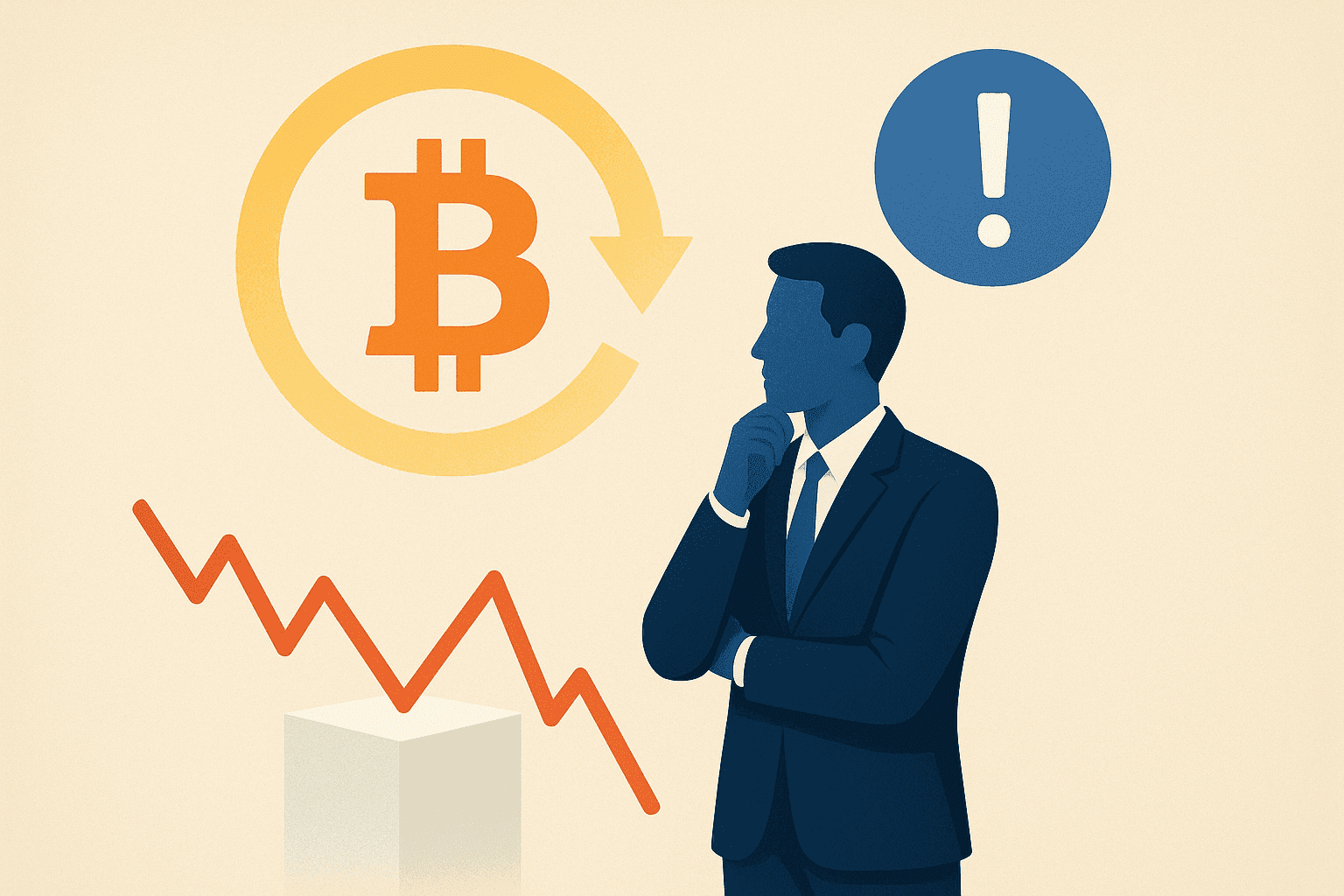
Because funding updates at intervals and reacts with a lag, sharp market volatility can still push perp prices away from spot. Rapid moves may also trigger liquidation events when leveraged accounts breach maintenance requirements.
Benefits and Risks of Trading Perpetuals
Perps can be a capital-efficient way to express a market view or hedge an existing position, and they are commonly available with deep liquidity and round-the-clock trading. At the same time, they can introduce ongoing funding costs, higher liquidation risk, and added dependence on the trading venue’s risk controls.
- Ability to go long or short.
- Use of leverage.
- Amplified gains and losses.
- Importance of risk management.
Key risks to understand include liquidation (forced position closure if margin falls below maintenance thresholds), funding costs that can compound during one-sided markets, and volatility-driven slippage that can widen losses during fast moves. Perp markets can also experience temporary price dislocations from the spot index, and some venues may use mechanisms such as auto-deleveraging to manage systemic risk during cascade events.
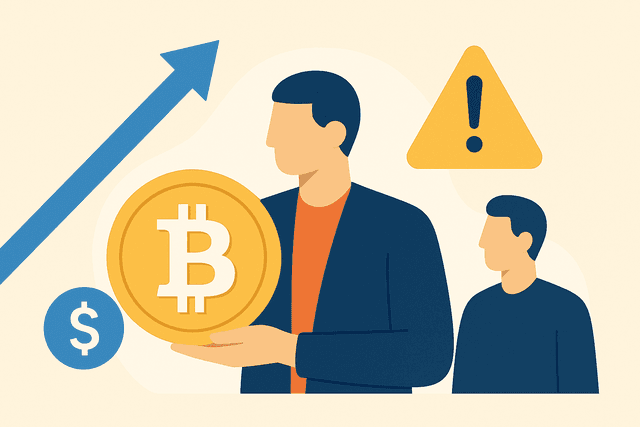
Perpetual contracts can move faster than many traders expect, and leverage can turn a small adverse price move into a rapid liquidation.
In some jurisdictions with looser oversight, exchanges allow very high leverage, while other countries ban or restrict these products. In the United States, availability typically depends on whether a platform is properly registered and allowed to serve local customers. In Europe and the UK, firms offering derivatives generally operate under stricter conduct and authorization frameworks, and access may differ by country and customer type. Across parts of Asia, rules vary by market, with some jurisdictions permitting derivatives under licensing regimes and others limiting marketing or retail access.
Before placing a trade, review:
- Product design.
- Funding rate impact.
- Venue rules.
Popular venues for trading perpetual contracts include:
- Binance.
- Bybit.
- OKX.
- Deribit.
- BitMEX.
When choosing a venue, compare:
- Regulatory status and whether the venue can legally serve customers in your region.
- Fees and fee tiers, including maker/taker schedules and any rebates.
- Leverage limits and margin model (isolated vs. cross), plus liquidation and insurance-fund policies.
- Liquidity and spreads on the specific perpetual markets you plan to trade.
- Funding rate calculation methodology, payment frequency, and historical variability.
- Risk controls and reliability, including uptime history, order types, and safeguards during extreme volatility.
- User experience and support, including mobile usability and account protections.
- API features if you plan to automate, and how rate limits and order management behave under load.
Key Takeaways
| Key Point | Description |
|---|---|
| No Expiration | Perpetual swaps are crypto derivatives used to speculate on asset prices without scheduling an expiration. |
| Funding Keeps Prices Aligned | Pricing is kept near the spot market via a recurring funding rate that transfers value between long and short open positions. |
| Leverage Cuts Both Ways | Leverage and shorting are accessible with perps, but market volatility and limited regulation can result in rapid, significant losses. |