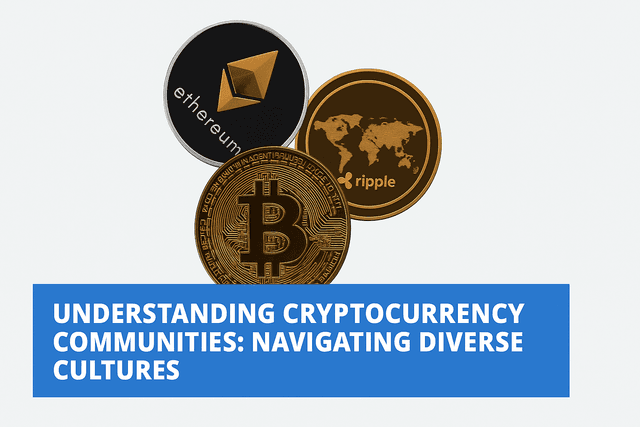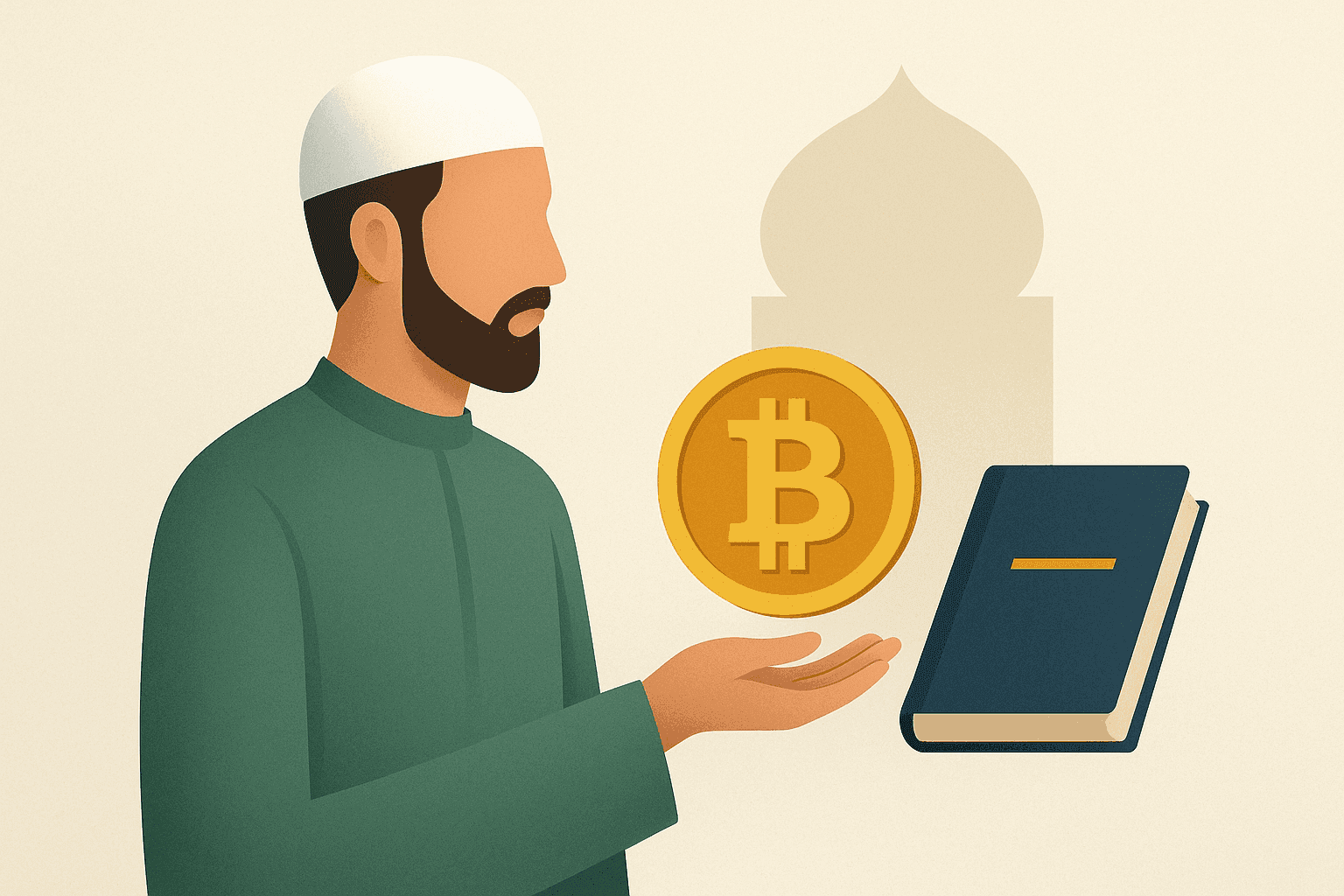
Many Muslim investors continually ask whether trading crypto is haram in Islam, especially as digital currencies spread worldwide. Because these assets run on decentralized networks rather than state-backed systems, they create both opportunity and new Shariah questions. This guide weighs whether crypto activity is halal or haram by drawing on principles of Islamic finance and contemporary scholarly views.
What Is Cryptocurrency, and Is It Halal?
A cryptocurrency is a form of digital money secured by cryptography and maintained on a blockchain, a ledger that is transparent and resistant to alteration. Operating without a central authority, these networks reduce dependency on governments or conventional banks.
The permissibility of trading digital currencies is debated due to their intangible form and frequent speculation. While the asset class is not inherently forbidden, its Shariah standing depends on purpose, real economic utility, underlying structure, and how transactions are executed.
One key concern is that cryptocurrency is non-tangible (purely digital), which raises questions about whether it qualifies as recognized property (mal) and whether it can be validly exchanged under Shariah rules. Some scholars are cautious because the asset is not physical and its “value” may seem purely conventional, while others treat widely accepted digital assets as valid property due to market recognition, utility, and the ability to establish ownership and transfer.
Halal vs. Haram Cryptocurrencies
Within Islamic ethics, financial dealings are assessed for fairness, openness, and contribution to stability. In practice, cryptocurrencies are reviewed against criteria such as:
- Clarity and Transparency.Projects that enable full disclosure and traceable records are more likely to be acceptable.
- Legitimacy.Tokens linked to real assets or sound financial practices align better with Islamic banking norms.
- Avoidance of Riba.Because crypto transfers do not by default involve interest, they can be structured to respect Shariah.
- No Excessive Gharar or Maisir.Tokens driven by unclear ownership or extreme speculation are commonly viewed as impermissible.
Halal Cryptocurrencies
Some digital assets meet Islamic standards by emphasizing transparency, ethical use, and stability.
- Ownership is verifiable.
- Transactions are clearly disclosed.
- No interest-based arrangements.
- No undue uncertainty (gharar).
- Provides genuine economic benefit.
- Encourages financial inclusion.
- Moderate volatility.
- Tangible utility or asset backing.
- Promotes fairness.
- Limits speculation.
Examples of cryptocurrencies that are often discussed as halal or haram include:
| Cryptocurrency | Halal/Haram Status | Reason/Notes |
|---|---|---|
| Bitcoin (BTC) | Often Considered Halal | Considered permissible by certain scholars for its decentralization and use as a medium of exchange. |
| Ethereum (ETH) | Often Considered Halal | Often allowed when facilitating smart contracts or DeFi initiatives that observe Islamic principles. |
| X8 Currency | Often Considered Halal | Designed for Shariah compliance, with real-asset backing to temper volatility. |
| Meme Coins (e.g., Dogecoin, Shiba Inu) | Often Considered Haram | Sharp price swings and speculation make them problematic under Islamic guidance. |
| Privacy Coins (e.g., Monero, Zcash) | Often Considered Haram | Limited transparency can support unethical or unlawful transfers. |
| Gambling-Linked Tokens | Often Considered Haram | Assets associated with gaming or betting are clearly impermissible. |
Open a Free Account.
Haram Cryptocurrencies
Digital assets may be judged haram if they feature interest-like returns, extreme speculation, deception, or unethical purpose. A central concern is severe volatility without intrinsic support, which can resemble gambling and expose investors to outsized loss. Opaque structures that may enable illicit behavior, including money laundering, further heighten the risk.
- Tokens tied to gambling or betting.
- Tokens created mainly for hype without real utility.
- Privacy-focused coins that enable anonymity and facilitate wrongful use.
Islamic Financial Principles
Islamic finance seeks ethical, transparent, and balanced transactions distinct from conventional banking. It promotes fairness and discourages exploitative practices or excessive risk. Assessing crypto through this lens requires understanding how a token is structured and used.
To gauge Shariah compliance, instruments are reviewed against principles that prevent unjust enrichment, ambiguity, and gambling-like behavior.
- Riba (Interest/Usury).Any guaranteed gain from lending rather than trade or investment is prohibited, ensuring wealth is earned through real economic activity.
- Gharar (Excessive Uncertainty).Deals burdened by ambiguity or unpredictable outcomes are discouraged; clear ownership and transparent mechanics support compliance.
- Maisir (Gambling/Excessive Risk).Activities resembling games of chance are forbidden. Investments with no productive basis and purely speculative returns may fall into this category.
Crypto Day Trading: Halal or Haram?
High-frequency speculation introduces substantial uncertainty and price whipsaws. Many scholars equate such behavior with gambling, rendering short-term flipping impermissible. By contrast, spot buying and selling may be acceptable when conducted prudently and structured to avoid prohibited elements.
For spot trading to be considered halal, it is commonly expected to meet conditions such as:
- Immediate settlement and ownership transfer.
- No leverage or margin positions.
- No interest charges, interest payments, or funding-rate structures that resemble riba.
- Clear asset transparency (what is being bought, who controls it, and how it is issued).
- No involvement in prohibited activities (such as gambling, pornography, or facilitation of wrongdoing).
- No market manipulation (such as coordinated pump-and-dump behavior).
Arguments Supporting Cryptocurrency as Halal
- No Built-In Riba.Peer-to-peer transfers do not inherently pay or charge interest.
- Blockchain Auditability.Cryptography and public ledgers enhance integrity and deter fraud.
- Scholarly Endorsements.Figures such as Mufti Faraz Adam and organizations like Blossom Finance have issued fatwas supporting Bitcoin’s permissibility when used appropriately, highlighting blockchain’s potential for transparent, ethical finance.
Arguments Supporting Cryptocurrency as Haram
- Speculative Excess.Severe volatility can align with gharar and maisir.
- Regulatory Gaps.Weak oversight across jurisdictions may invite abuse.
- Illicit Applications.Pseudonymity can facilitate unlawful activity.
What Islamic Authorities Say About Cryptocurrency?
Scholarly opinion remains split on crypto’s permissibility. Evaluations differ based on technical design, use cases, and adherence to the ethical framework of Islamic finance.
Because cryptocurrencies evolve quickly in both technology and market practice, Shariah assessments often require ongoing review and direct consultation with qualified jurists rather than one-time general rulings.
Some scholars treat Bitcoin and similar assets as valid financial instruments, while others caution against unchecked speculation, wild price moves, and limited supervision by bodies that safeguard Islamic standards. Ongoing guidance from jurists and institutions shapes how Muslims engage with digital assets.
- Mufti Abu Bakar.Views Bitcoin as permissible, noting it functions as a medium of exchange, unit of account, and store of value in a decentralized form.
- Islamic Finance Institutions.Certain bodies allow Bitcoin as an asset class but advise caution. They warn that margin, derivatives, or overly speculative behavior can breach Shariah.
- Many Islamic Jurists.Positions vary: some issue fatwas against speculative trading due to volatility and ethical concerns, while others see a path to compliance through regulation and responsible participation.
Practical and Ethical Considerations for Muslim Crypto Traders
Given the ongoing debate, Muslims considering digital assets should act carefully and prioritize Shariah alignment.
- Use Shariah-Aware Platforms.Favor providers that disclose terms clearly and avoid interest-based features.
- Steer Clear of Pure Speculation.Prefer projects with demonstrable utility or asset support over hype-driven tokens.
- Prioritize Ethics and Stability.Aim for long-term value creation within Islamic finance guidelines.
- Understand Asset Mechanics and Real-World Purpose.Review how the token works, what it is used for, and whether the use case is permissible.
Comparison With Other Investments
Crypto differs from traditional vehicles in risk profile, oversight, and Shariah considerations.
- Cryptocurrency vs. Stocks.Shares are generally permissible when the business is ethical, avoids prohibited activities, and manages interest responsibly.
- Cryptocurrency vs. Futures.Crypto futures trading is commonly viewed as impermissible under Islamic law because it often involves selling what one does not own, significant gharar in pricing and settlement, and speculation that can resemble maisir; it may also embed interest-like elements through contract design and fees.
- Cryptocurrency vs. Leverage (Margin) Trading.Leverage trading in crypto is generally considered impermissible because it relies on borrowing and typically introduces riba through interest or funding payments, alongside elevated gharar from forced liquidation mechanics and amplified speculation that can resemble maisir.
Conclusion
The question of crypto’s permissibility remains unsettled. Prospective investors should seek qualified scholarly advice and adhere to Islamic finance principles when navigating digital assets.
FAQ: Frequently Asked Questions
Is Bitcoin Trading Halal?
It depends on scholarly rulings and how trades are executed. Some permit its use as a currency, while others deem speculative trading patterns impermissible.
Is Bitcoin Mining Halal?
Yes, when conducted ethically and without involvement in prohibited activities. Mining is a technical process and does not inherently violate Islamic finance.
Is Investing Generally Haram?
No. Investment is permissible when it follows Islamic finance, avoids interest, and supports ethical enterprise.
Are NFTs Halal?
It varies by purpose. NFTs tied to lawful, Shariah-aligned projects may be acceptable, whereas purely speculative flipping can be impermissible.
Is Crypto Staking Halal?
Opinions differ. Some liken rewards to interest and prohibit them; others allow structures that resemble profit-and-loss sharing.
Is It Halal to Trade in Cryptocurrency?
Trading may be permissible if the asset itself is allowed, speculation is restrained, and transactions respect Islamic law.
Which Trading Is Halal in Islam?
Ethical, transparent, and non-speculative trading—especially when tied to real economic value or tangible assets—is considered permissible.