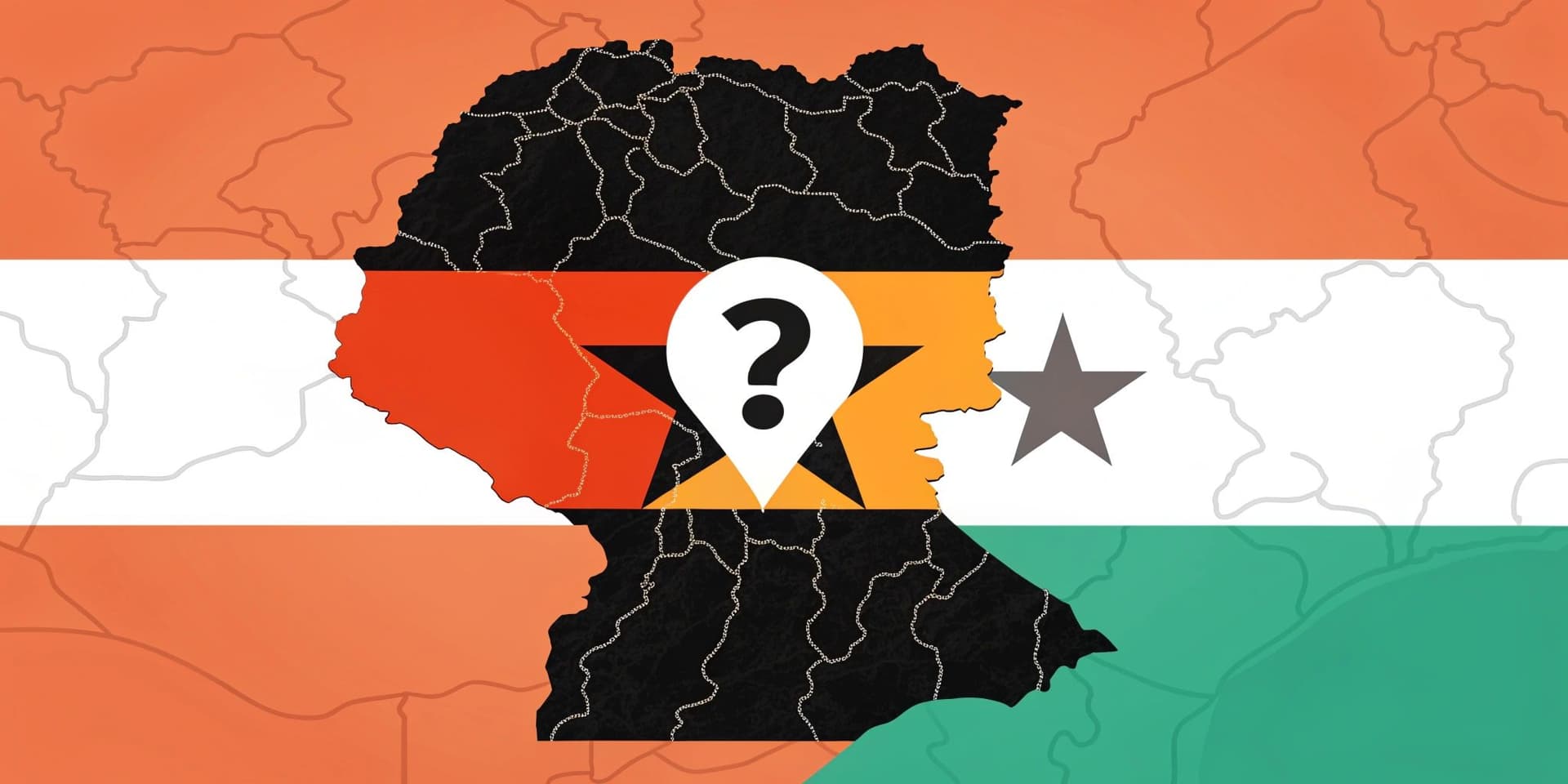
Is crypto legal in Ghana? The short answer is yes, but with limits. Digital assets are actively used across the country, yet they sit outside formal recognition as official money. Ghana has not outlawed Bitcoin or other cryptocurrencies, but it also has not granted them the same legal standing as the national currency.
This unusual position places crypto use in a lawful but loosely governed space, where individuals and businesses operate without full legal protection while authorities prepare a clearer rulebook.
Why Ghana Has Not Banned Crypto
Unlike some jurisdictions that chose outright prohibition, Ghana has taken a more cautious route. Authorities acknowledge that crypto activity is already embedded in everyday economic life—especially in urban centers like Accra—through peer-to-peer transfers, remittances, and online trading.
Rather than forcing the market underground, policymakers are moving toward structured supervision. The goal is not to eliminate digital assets, but to prevent abuse, financial crime, and systemic risk.
The Role of the Bank of Ghana and the Central Bank Strategy
The Bank of Ghana, acting as the country’s central bank, has positioned itself as the main architect of upcoming digital asset rules. While repeatedly stating that cryptocurrency is not legal tender, it has also accepted that crypto adoption affects monetary policy, capital flows, and the wider financial system.
Key priorities for the central bank include:
- monitoring crypto-related transactions;
- limiting exposure to money laundering risks;
- ensuring consumer protection;
- aligning crypto oversight with national financial objectives.
This marks a shift from public warnings to active supervision planning.
What the Securities and Exchange Commission Is Expected to Oversee
Where crypto begins to resemble investment products, the Securities and Exchange Commission (SEC) enters the picture. The regulator is expected to focus on platforms offering trading services, tokenized assets, and crypto-linked investment schemes.
Its role will likely center on:
- market integrity;
- investor safeguards;
- enforcement against fraudulent crypto activity.
This shared oversight model reflects how other African countries are approaching digital asset regulation.
Parliament and the Coming Legal Framework
Final authority rests with Parliament. Lawmakers are expected to approve legislation that defines how cryptocurrencies are regulated, supervised, and integrated into national law.
Once passed, the framework should remove long-standing legal uncertainty by:
- clarifying what crypto businesses can legally operate;
- setting boundaries for exchanges and service providers;
- defining enforcement powers for regulators.
Until then, crypto remains legal to use—but not formally legalized as currency.
What Regulation Means for Users and Businesses
For everyday users, regulation is likely to reduce scams and unregulated platforms, though it may also reduce anonymity. For businesses, especially exchanges and payment providers, compliance costs will rise.
Expected obligations include:
- registration with authorities;
- transaction monitoring;
- identity verification procedures;
- reporting requirements.
Unlicensed operations are expected to face enforcement once the framework is active.
Bitcoin’s Position in Ghana’s Crypto Landscape
Bitcoin remains the most widely used digital asset in Ghana. Its popularity is driven by cross-border payments, informal transfers, and protection against currency volatility. However, once regulation is enforced, Bitcoin trading and exchange services will operate under tighter supervision.
This transition aims to formalize crypto adoption, not suppress it.
So, Is Crypto Legal in Ghana or Not?
Crypto is legal to use, but it is not recognized as official currency. Ghana is in a transition phase—moving from tolerance to regulation. Full legalization depends on the passage and enforcement of a national legal framework.
The direction is clear: Ghana is not banning crypto. It is building rules around it.
Final Takeaway
Ghana’s approach reflects a broader shift across African countries. Digital assets are no longer ignored, yet they are no longer left entirely unregulated. The coming years—especially around 2025—will define how crypto fits into Ghana’s financial system.
For now, crypto remains lawful, active, and evolving—caught between widespread adoption and formal legal recognition.