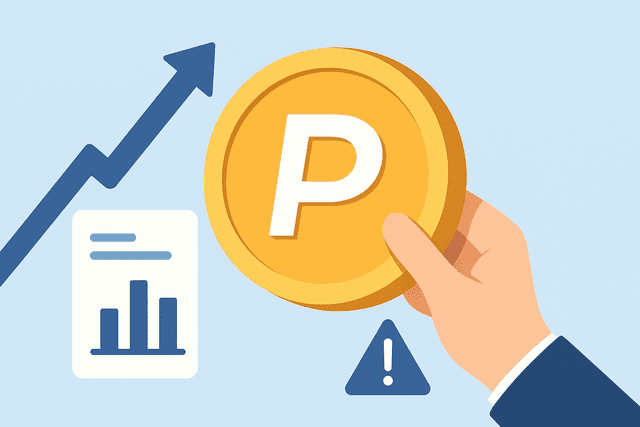
If you have wondered “How do I start learning to trade crypto,” you are not alone. The fast-moving world of cryptocurrency blends headline-making gains in assets like Bitcoin with abrupt reversals and intricate technology, a mix that excites newcomers while unnerving seasoned investors as mainstream interest accelerates.
The good news is you do not need to be a coder to begin. Start with small amounts, learn the basics, pick a reputable exchange or wallet, and keep your focus on long-term goals rather than hype. Build your knowledge step by step: use beginner-friendly courses and exchange tutorials, read market basics, try a demo or paper-trading mode if your platform offers it, practice placing small test orders, and learn from community forums while doing your own research.
This guide leads traders and investors through the essentials—from selecting a cryptocurrency to practical ways to gain exposure to the crypto market. Cryptocurrency trading is the process of buying and selling digital assets to try to profit from price changes, typically through an exchange where you place orders (such as market orders that aim to fill immediately at the best available price, or limit orders that target a specific price).
Are Cryptocurrencies a Fit for You?
Digital assets can suit some portfolios, but they are not right for everyone. If you are new to this asset class, research thoroughly, craft a clear investment plan, and stay disciplined.
Risks are significant:
- Volatility can erase gains quickly.
- Exchanges and wallets can be targets for hackers.
- Regulatory changes can move markets.
- Most coins do not provide dividends or steady yields.
To manage risk, use practical guardrails such as stop-loss orders (where appropriate), careful position sizing, and avoiding overconcentration in a single trade. You can also reduce custody risk by using reputable platforms, enabling strong account security, and storing long-term holdings in a secure wallet.
Ongoing education and consistent risk management matter more than any single trade idea.
Potential benefits include:
- Diversification
- Possible hedge against inflation
- Exposure to innovation
Crypto markets also run 24/7, major coins can be highly liquid compared with smaller tokens, and the entry barrier is low enough that beginners can start with relatively small amounts. According to CoinGecko, total crypto market value topped $4 trillion for the first time in July 2025, signaling rising interest from both retail and professional participants.
Your decision should align with your risk tolerance, goals, and experience. If sharp swings feel intolerable, traditional assets may be a better match. If you can handle volatility, think in years, and want exposure to emerging technology, crypto may offer worthwhile upside.
How to Choose a Cryptocurrency
Before buying any coin, build a trade plan and look past headlines. Evaluate real-world utility, token economics, the team and community, and overall fundamentals rather than hype.
Consider utility: Bitcoin is often treated as a store of value—“digital gold”—and supports peer-to-peer payments without intermediaries.
Ethereum differentiates itself with smart contracts that automate rules and power DeFi, including platforms like Uniswap and NFT marketplaces such as OpenSea.
Beyond market leaders, thousands of altcoins exist, many with limited staying power and higher risk. Review fundamentals and market data—such as transaction activity and liquidity—before you buy or sell.
If you are wondering how much $1 in crypto is today, or how much $100 is worth in crypto, the answer depends on the specific coin and the current exchange rate. Prices fluctuate constantly, so you would check a major exchange or a price tracker, then calculate the amount of crypto you would receive by dividing your dollar amount by the coin’s current price. For example, you can use a crypto price calculator (often built into exchanges) by selecting the cryptocurrency, entering $1 or $100, and viewing the estimated amount before fees.
Key characteristics to evaluate include:
| Characteristic | Description |
|---|---|
| Token Supply | The number of coins or tokens that can exist for the network. |
| Network Fees | Transaction costs required to transfer value or use the blockchain. |
| Token Distribution | How ownership is allocated among founders, investors, and the wider community. |
| Burn Mechanism | Any process that permanently removes tokens to lower circulating supply. |
| Inflation/Emission Rate | The pace at which new units are issued and added to total supply. |
| Vesting Schedules and Unlock Events | Timelines that determine when early holders can sell allocated tokens. |
Invest only in assets you fully understand and with money you can afford to lose. There is a meaningful difference between established cryptocurrencies like Bitcoin and highly volatile meme coins.
Also remember that while the coins are digital, tax obligations are real. Consider speaking with a qualified financial professional about reporting rules and how crypto fits your broader plan.
Should You Invest in Crypto or Trade It?
Picking between long-term investing and active trading can be challenging for a beginner, but the trade-off resembles choices in other markets.
If you want to become a crypto trader, formal qualifications are not required, but skills matter. Analytical thinking, risk management, basic technical analysis, comfort with order types and trading platforms, and a working understanding of blockchain concepts can all help. Ongoing education is essential, and staying current on market news and regulatory developments can be just as important as chart-watching.
Investors often buy and hold, wagering that blockchain adoption will expand over time. They emphasize fundamentals and worry less about daily price moves.
Active traders try to harness short-term volatility by buying and selling frequently. They use charts, technical analysis, indicators, trends, and timely news—an approach that carries higher risk and requires continual attention.
Neither path is universally better. Choose based on temperament, time commitment, and risk tolerance: either commit to a durable, long-term plan or pursue short-term opportunities with strict discipline.
Crypto Trading and Investing Strategies to Consider
As the market matures, long-term investors have multiple ways to gain crypto exposure, while active traders can apply strategies that echo those used in stock trading.
Many investors use dollar-cost averaging, allocating a fixed amount at regular intervals into established assets such as Bitcoin to smooth volatility and participate in potential long-run growth.
Others prefer exchange-traded products that hold Bitcoin, Ether, or a basket of crypto-related assets, or thematic exchange-traded funds that provide broad industry exposure without managing wallets directly.
Some opt for indirect exposure through publicly traded companies connected to the space, including Coinbase, Riot Platforms, or MicroStrategy, which maintains sizable Bitcoin reserves.
Whichever route you choose, align allocations with your objectives, risk management rules, and overall financial plan.
For traders, popular approaches include momentum and swing strategies. Day trading focuses on opening and closing positions within the same day, while scalping aims for many small gains from short-term price moves. Arbitrage seeks to profit from price differences across venues, and hodling is a buy-and-hold approach that rides long-term trends rather than short-term swings.
Remember that trading cryptocurrencies is speculative and loss-prone. Only trade if you understand the instruments, platforms, and inherent risks.
Bottom Line: Investing in Cryptocurrency Does Not Have to Be Overwhelming
Crypto can seem complex at first, yet getting started with investing or trading is manageable.
Learn the basics, draft a plan with clear goals, and define your acceptable risk. Choose a trustworthy exchange or wallet, or consider indirect exposure through crypto exchange-traded products. Avoid concentrating in a single currency, and prioritize security to avoid scams.
Never risk more than you can afford to lose. Whether you trade actively or take a long-term approach, consistent risk management, patience, and ongoing education can help crypto become a thoughtful part of your broader strategy.