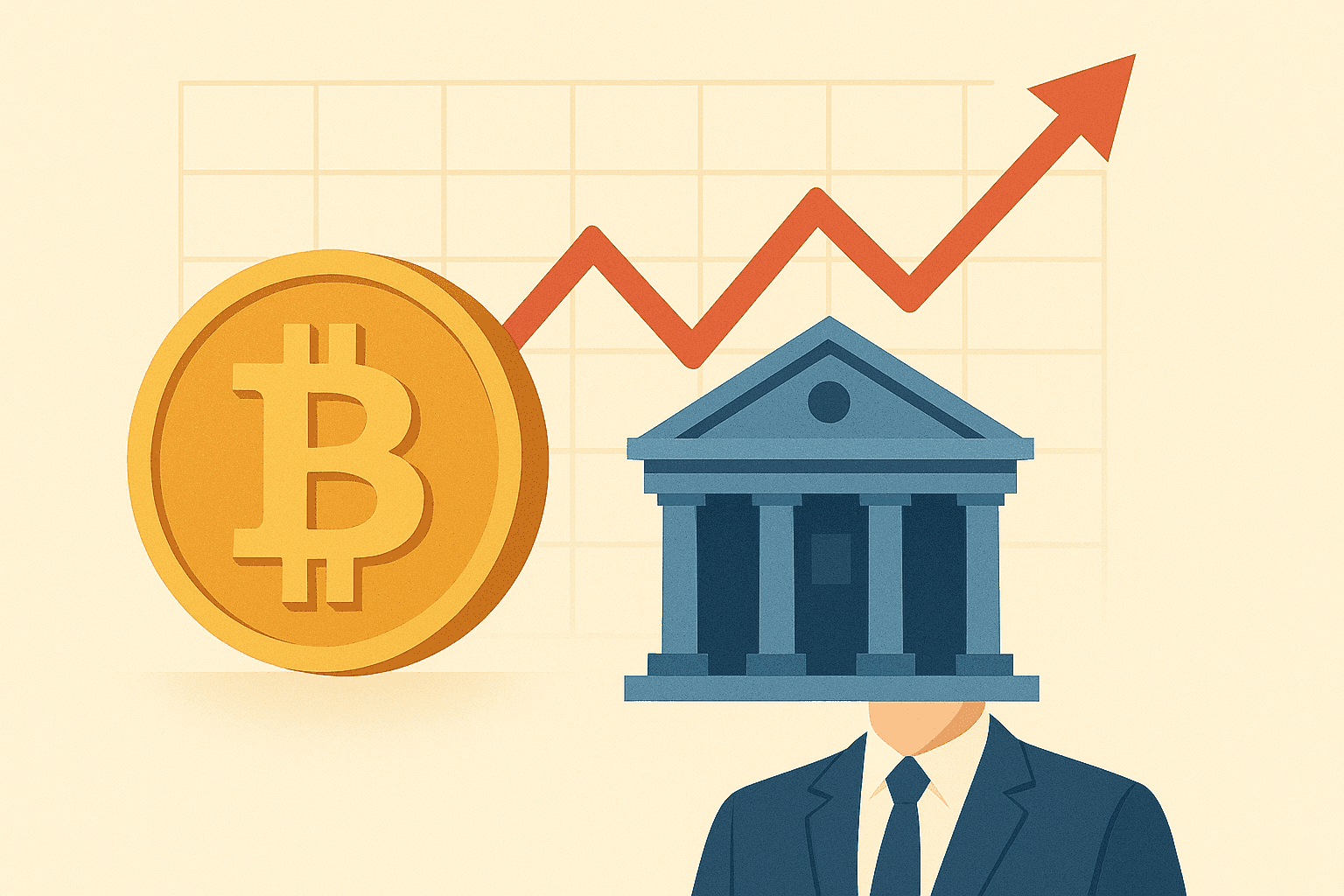
If you have wondered what FOMC means for crypto markets, it’s trader shorthand for the Federal Open Market Committee and, more specifically, its scheduled meetings, statements, and rate decisions that can ripple into digital-asset volatility, liquidity, and pricing across Bitcoin and the broader crypto market.
Introduction
The Federal Open Market Committee sits at the core of the Federal Reserve System, directing monetary policy that steers the federal funds rate, overall growth, and financial markets—including cryptocurrencies. For market participants, grasping how these decisions transmit to Bitcoin and other digital assets can help manage swings and frame strategies for 2026 and beyond.
For crypto traders, the key isn’t predicting every headline—it’s understanding how policy decisions can shift liquidity and risk appetite in minutes.
What Is the Federal Open Market Committee?
The Committee is the Federal Reserve’s primary policy engine. Its main purpose is to set and direct U.S. monetary policy in pursuit of maximum employment, stable prices, and moderate long-term interest rates. By guiding the federal funds rate, it influences credit conditions, money supply, and risk-taking across the financial market, which now includes a significant cryptocurrency segment. Below is a concise look at its makeup, mandate, and why crypto traders watch it closely.
What Does the Committee Do?
The FOMC has 12 voting members: seven from the Board of Governors, the New York Fed president, and four Reserve Bank presidents who rotate yearly. All 12 Federal Reserve Bank presidents attend meetings, but only five vote at any given meeting (the New York Fed president plus four others on a rotating basis). Through open market operations—buying and selling government securities—it steers the overnight interbank rate. The group convenes eight times a year to evaluate inflation, employment, and financial stability, then adjusts policy as needed.
Why the Committee Matters
The mandate targets maximum employment, stable prices, and moderate long-term rates. To curb inflation, the Committee may lift the policy rate; to support growth, it may cut. These moves shape liquidity, the U.S. dollar’s strength, and investor risk appetite—factors that quickly flow into Bitcoin and altcoin pricing.
How Policy Decisions Reach Crypto Traders?
Rate changes echo through currency markets and credit channels. Higher policy rates often bolster the dollar and cool demand for risk assets; lower rates typically add liquidity and can lift crypto valuations. Because the FOMC meets on a known cadence, traders can plan for potential shifts and volatility around announcement days.
2025 FOMC Meeting Schedule (Source: Federal Reserve Board)
Format: Date — Outcome — Economic Projections/Press Conference
| Date | Outcome | Economic Projections/Press Conference |
|---|---|---|
| January 28–29 | Kept federal funds rate at 4.25%–4.50%. | No. |
| March 18–19 | Kept federal funds rate at 4.25%–4.50%. | Yes. |
| May 6–7 | Kept federal funds rate at 4.25%–4.50%. | No. |
| June 17–18 | Kept federal funds rate at 4.25%–4.50%. | Yes. |
| July 29–30 | Kept federal funds rate at 4.25%–4.50%; two dissents favored a cut. | No. |
| September 16–17 | Upcoming; market expects a 25 bp cut to 4.00%–4.25%. | Yes. |
| October 28–29 | Upcoming. | No. |
| December 16–17 | Upcoming. | Yes. |
How Fed Policy Shapes Cryptocurrency?
Shifts in the policy rate touch crypto via liquidity, discount rates, the dollar, and sentiment—each a channel that can accelerate or dampen price trends.
Understanding Rate Paths
- Hawkish Stance (Tightening via Rate Hikes): Signals higher policy rates, often strengthens the dollar, and can cool demand for BTC and other risk assets, leading to drawdowns.
- Dovish Stance (Easing via Rate Cuts): Implies lower rates, typically weakens the dollar, and can fuel crypto bids as investors seek higher-return opportunities.
Why Monetary Policy Moves Prices?
Rate increases drain liquidity and raise borrowing costs, which tends to compress crypto valuations. Cuts do the opposite by easing financial conditions. A surprise hike can spark a sharp, short-lived selloff in BTC as markets reprice.
How Sentiment Evolves?
Firm, hawkish language encourages caution and reduces risk-taking, while softer guidance can revive optimism and position crypto as a potential hedge against fiat debasement.
Further Reading: Step-by-step guide on how to use Hedge Mode on Phemex
Scenarios of FOMC Impact
Hawkish Scenario: Tighter Policy and Rate Increases
- If the Committee Raises the Policy Rate: An unexpected 25 bp hike can lift the dollar, dent BTC demand, and pressure prices as capital rotates toward safer assets like Treasuries.
- Why It Happens: Higher rates elevate funding costs and reduce risk appetite, favoring traditional fixed income over speculative exposures.
Dovish Scenario: Looser Policy and Rate Cuts
- If the Committee Cuts the Policy Rate: A surprise 50 bp reduction signals easier conditions, often softens the dollar, and can boost BTC as liquidity improves.
- Why It Happens: Cheaper money supports risk-taking and can draw flows into digital assets alongside equities.
Neutral Scenario: Holding Steady
- If the Committee Leaves Rates Unchanged: Keeping a 4.25%–4.50% range can validate a balanced stance, producing modest crypto swings that may suit long-term positioning.
- Why It Happens: Stability tempers extreme moves and can balance risk and return across portfolios.
Other Economic Indicators to Watch
Beyond policy meetings, several U.S. indicators routinely sway the crypto market by shaping expectations for the Federal Reserve’s next steps.
- Consumer Price Index (CPI): Tracks inflation.
- Producer Price Index (PPI): Measures input costs.
- Initial Jobless Claims: Gauges labor conditions.
- Gross Domestic Product (GDP): Captures growth momentum.
Preparing for Economic Data Releases
Macro announcements—especially rate decisions—can spark sharp, fast moves. Staying prepared helps convert volatility into planned risk rather than surprise.
Watch Consensus Forecasts
Compare outcomes with market expectations to anticipate the direction and magnitude of the first move.
Review Historical Market Reactions
Study prior meeting days and similar macro prints to refine playbooks and timing.
Follow Federal Reserve Communication
Track speeches, minutes, and projections to understand how incoming data may sway future policy.
Trading Approaches for FOMC Days
Use structured methods to navigate announcement windows and related macro releases without overexposing your portfolio.
Set Up Before Announcements
Assess the baseline path for rates. If tightening is widely expected, short bias may be appropriate; if easing is likely, a long tilt can fit.
React to Surprises With a Plan
When outcomes diverge from the consensus, adjust quickly. A dovish surprise can justify adding BTC; a hawkish shock may warrant trimming or hedging.
Hedge and Tame Volatility
Options can buffer swings. Calls may suit easing scenarios, while puts can protect in tightening phases.
Make Risk Controls Non-Negotiable
Use stop-loss levels, position sizing, and diversification to contain downside during high-volatility windows.
Conclusion
The FOMC’s rate path is a central driver of crypto market conditions. By understanding the Committee’s role, why its policies matter, and how different outcomes filter into Bitcoin and digital assets, traders can better anticipate price action and adjust tactics. Whether policy turns hawkish, dovish, or stays neutral, informed preparation is essential.