Before opening a wallet or submitting a transfer, it’s worth understanding why a gas fee exists, what pushes it higher, and which simple strategies can shrink the cost of Ethereum transactions.
Gas Fee Basics in Crypto
In practical terms, what users pay as a gas fee compensates the people and systems that process and secure Ethereum transactions. Variants of these network fees exist on many blockchains, but the goal is similar: reward validators for work performed so the blockchain remains functional and safe.
Beyond incentives, attaching a price to every action raises the cost of spamming the network. Because each attempt requires funds, sustained abuse quickly becomes uneconomical for malicious actors in cryptocurrency systems.
Ethereum Gas Fees Explained
On most chains, sending a transaction requires a payment. That amount can swing from a tiny fraction of a cent to far more, depending on demand for block space. On Ethereum, the charge is known as a gas price or gas fee, and it is paid in ether (ETH).
From a user’s perspective, gas covers computation on the Ethereum blockchain. You spend it to move ETH, mint or buy NFTs, and interact with smart contracts powering DeFi apps. Straightforward transfers use less gas; complex operations consume more gas units, which increases the gas price paid per unit and total transaction cost.
Different networks such as Solana or BNB Chain apply their own approaches to network fees. When comparing costs, watch a real-time gas tracker; market supply and demand for block space largely determine the gas price during network congestion.
When Are ETH Gas Fees Lowest?
In many cases, lighter activity lines up with cheaper network fees. You’ll often see lower gas during weekends and at off-peak times, especially around early morning UTC when fewer users compete for inclusion.
- Fewer pending transactions — weekends and non-business hours typically reduce network congestion.
- Early UTC mornings — less competition for block space can mean lower gas price quotes.
Planning tools help here. Gas calculators and trackers estimate a fair gas limit and priority fee for current conditions. Popular wallets, such as MetaMask, can auto-suggest fees in real time; otherwise, users may set a manual gas price and tip after watching the live chart to choose the best submission window.
Why Do Gas Fees Spike?
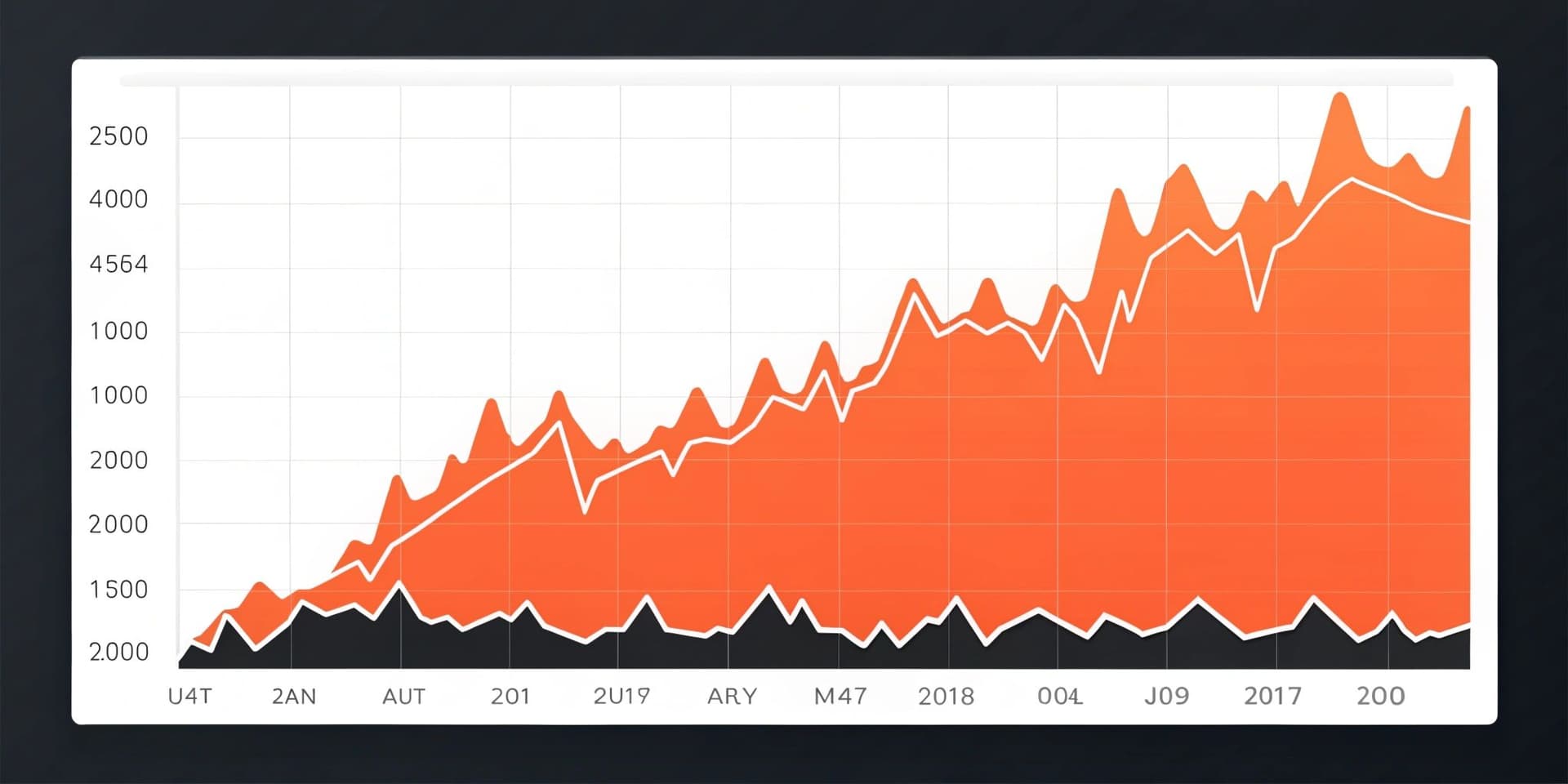
During surges in activity, demand can outrun what each block can carry, and prices rise to prioritize transactions. Broader crypto cycles and bursts of interest in Bitcoin or Ethereum frequently coincide with elevated costs.
Key examples include:
- Mass token sales — the ICO boom congested the blockchain during 2017-era mania.
- DeFi Summer 2020 — lending, DEX, and yield projects drove heavy Ethereum transactions.
- NFT mint rushes such as Bored Ape Yacht Club — prolonged mempool backlogs revealed scalability pain points.
Although annoying, these episodes reflect simple supply–demand dynamics and also discourage spam. They’ve accelerated adoption of Layer-2 scaling, where many actions are processed off-chain and settled efficiently on Ethereum.
Who Receives Gas Fees?
Where the money goes depends on which part of Ethereum processes the transaction. After EIP-1559, the base fee is destroyed, while the remainder rewards network operators.
- Execution layer — inclusion tips and related rewards flow to the block proposer/validator who assembles Ethereum transactions.
- Consensus layer (Proof-of-Stake) — validators staking ETH earn priority fees for securing the network.
With The Merge in 2022, Ethereum completed its move to Proof-of-Stake, cutting energy usage while maintaining validator incentives and core functionality.
Units of Gas and Ether Transaction Fees
For everyday quoting, most dashboards show prices in gwei rather than ETH. Gas measures computational steps in the Ethereum Virtual Machine, and 1 gwei equals 10⁻⁹ ether, which makes small transaction fee amounts easier to read.
- 0.000000054 ether
- 54 gwei
- 54,000,000,000 wei
Because gwei is practical, many calculators display gas price directly in that unit. As on-chain gas costs rose, scaling solutions gained traction by batching transactions and settling them on Ethereum to cut transaction costs while preserving security.
- Orderbook derivatives on a Layer-2 — dYdX, off-chain engine
- Optimistic rollup network — Optimism, EVM-compatible
- Zero-knowledge rollup family — zkSync, proof-based security
- Optimistic rollup ecosystem — Arbitrum, high throughput
Gwei to Network Fee: A Worked Example
Since the London hard fork (EIP-1559) on August 5, 2021, every payment combines two parts: a base fee that is algorithmically adjusted and burned, plus a user-set priority fee to influence inclusion. Transactions queue in the mempool, and higher tips climb the line.
By tuning the priority fee, a sender can trade speed for cost. Typical presets might look like these:
- Fast — confirmations often arrive in under thirty seconds.
- Standard — a few minutes is the usual target.
- Slow — up to roughly half an hour in exchange for lower gas.
Given an average block time around thirteen seconds, the fastest tier usually lands within the first one or two blocks.
How Gas Fees Are Calculated on the Ethereum Network
To make the math concrete, calculating gas fees follows a simple structure that multiplies the price per unit by the maximum gas you are willing to spend.
- (Base fee + tip) × gas limit = total transaction fee
For example, if the base fee is 75 gwei, the tip is 5 gwei, and the gas limit is 30,000, the result is 2,400,000 gwei, which equals 0.0024 ETH.
This setup prioritizes transactions, rewards validators, and increases the cost of spam. Adjusting the tip changes speed and spend, while the amount of gas used depends on smart contract complexity and real-time network congestion.
The Bottom Line
Fees on Ethereum keep the blockchain secure, align incentives for validators, and filter out spam. Costs fluctuate with demand, but you can often pay less by watching a gas tracker, using Layer-2 solutions, and timing transactions during quieter periods.
To go deeper into ETH network fees and tools for analyzing gas price, visit Gemini for more resources on the Ethereum ecosystem.
This content is educational and not financial advice. Crypto transfers can be risky, and charges may spike during heavy congestion.