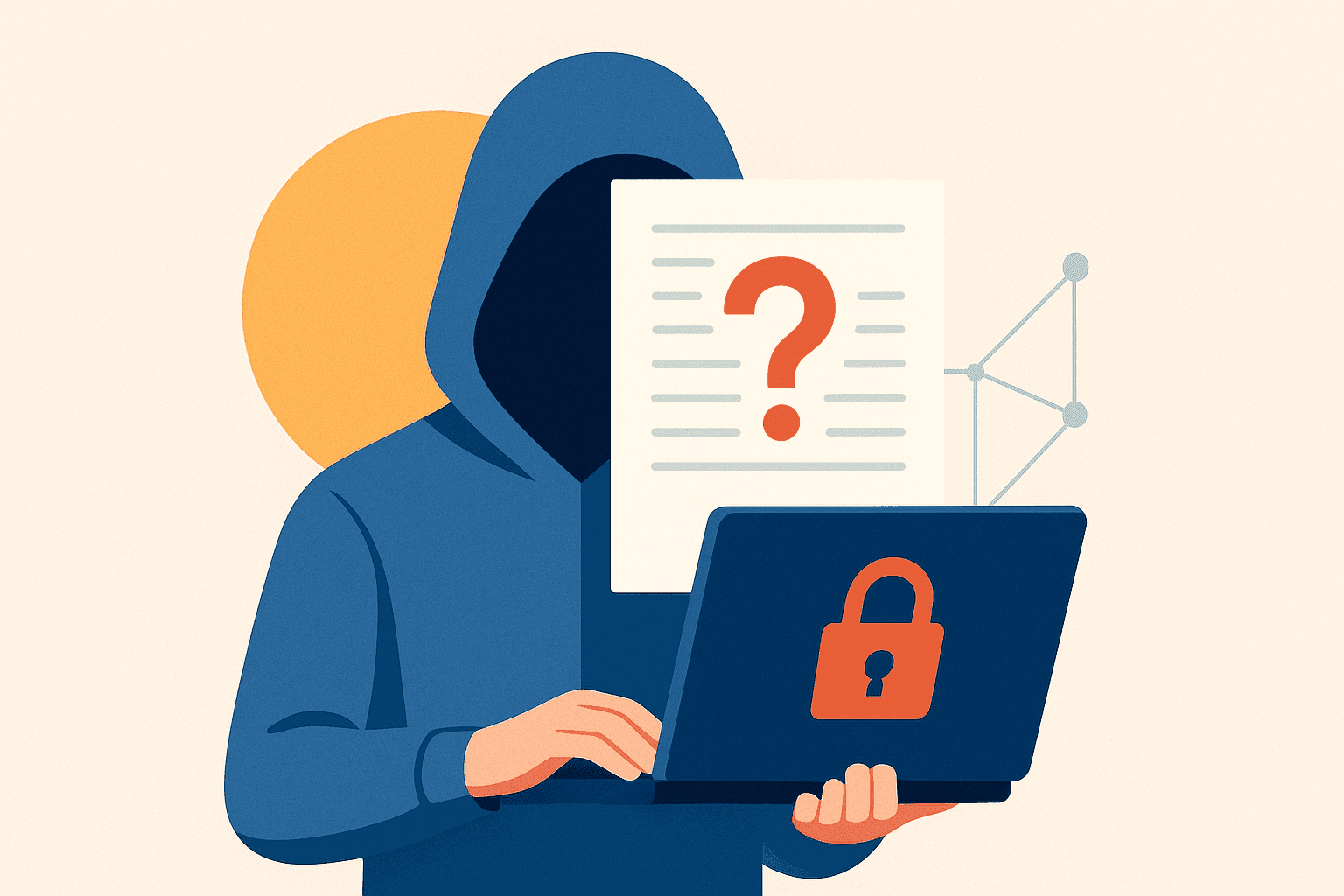
In crypto, being doxxed describes what happens when a trader, founder, or community member has their real identity or private information exposed to the public, eroding anonymity and opening the door to harassment or financial harm. While the practice originated outside cryptocurrency, the same doxxing tactics apply across the crypto world and broader internet.
The fallout can be immediate and long-lasting, including reputational damage, loss of employment opportunities, targeted phishing attempts, extortion, swatting-style harassment, and ongoing psychological stress from persistent threats or unwanted attention.
Why Doxing Matters in Crypto
Anonymity plays an outsized role in many crypto communities because people often participate under pseudonyms, discuss finances openly, and interact with strangers in fast-moving markets. When a real identity is tied to wallets, usernames, or public statements, it can create a direct path from online conflict to real-world risk.
Crypto-specific consequences can include targeted scams tailored to your on-chain activity, physical threats tied to perceived holdings, attempts to steal funds through social engineering, and unwanted attention from regulators, employers, or counterparties. For project founders and team members, doxxing can derail launches, invite coordinated harassment, and put families or home addresses in the crosshairs. For traders and community members, it can turn routine discourse into targeted intimidation or coercion.
In crypto communities, pseudonymity is often a personal safety measure as much as a preference—once your identity is linked to financial activity, attackers can tailor threats, scams, and pressure to your specific profile.
Doxing Defined
Doxing (also written doxxing) grew out of the phrase “dropping docs,” meaning to release documents about a person. In essence, it is a form of online harassment that publishes sensitive or private details—statements, records, or personal data—to intimidate, shame, or exploit a chosen target.
In practice, doxing involves gathering identifiable facts about someone and distributing them widely, whether on forums, social platforms, or other public channels. The term took off in the 1990s, when hackers unmasked rivals who hid behind aliases by posting their “docs.” Stripping away a pseudonym exposed people to rivals, investigators, and authorities.
Today, doxing surfaces in culture-war skirmishes and polarized debates, where adversaries try to punish or silence opponents by outing personal information.
How Doxing Works
Most people leave a trail of personal information online, secured unevenly—or sometimes barely at all. A doxer locates this data, aggregates it, and weaponizes it against the victim.
Cross-Account Username Tracking
Reusing the same or similar handles across sites makes it easy to link accounts. Attackers compile posts, profile fields, and activity from each account to build a fuller picture of your real-world identity.
Whois Lookups on Domains
Registering a domain typically stores contact details in a public registry accessible via a basic Whois search. Unless privacy protection is enabled at signup, your name, email, phone number, and address can be viewed without special tools.
Phishing
If you click a deceptive message and submit details to a spoofed site, or if someone breaches your inbox, the contents can reveal personal information. Attackers then mine the mailbox and use what they find to further a doxing campaign.
Mining Social Media
Public social media profiles can disclose workplaces, friends, family ties, photos, places you visit, hobbies, and more, providing rich context for doxxing.
These clues can also expose answers to common security prompts, such as a pet’s name or wedding-party details, making account takeover easier.
Mining Government and Public Records
State motor-vehicle agencies, county databases, voter rolls, licenses, and similar public portals often contain information that can be folded into a doxing dossier.
Internet Protocol Address Tracing
An internet protocol address can suggest approximate location. With it, a determined attacker may social-engineer an internet service provider, impersonating you to extract more personal details.
Reverse Phone Number Lookups
Once a mobile number is known, public reverse-lookup services can surface identity data and related records. Paid tiers may reveal additional fields that aid a doxing attempt.
Packet Sniffing
Internet traffic moves in packets. If an attacker intercepts unsecured packets on a network, they can infer contents and potentially capture credentials, banking details, or card numbers.
To pull this off, a doxer connects to a target network, bypasses protections, and monitors data as it transits the infrastructure.
Data Brokers
Data brokers assemble profiles from public sources, loyalty programs, searches, and browsing signals, then sell those datasets. Such compilations can shortcut the research phase for doxxers.
These packages are sometimes resold among brokers and may appear on dark web marketplaces for anyone willing to pay.
What Information Are Doxers Looking For?
Common targets include the following types of personal information:
| Type of Information | How It Can Be Exploited |
|---|---|
| Phone numbers | Attackers can impersonate trusted parties to solicit more data, intercept text-message codes, or reset logins tied to your number. |
| Social Security numbers | This identifier is used for identity verification and can unlock records or services that should remain private. |
| Home address | An address can be used for verification, identity fraud, or to open new accounts in the victim’s name. |
| Credit card details | Card data can be exploited for purchases, to harm credit, or as leverage to intimidate and extort. |
| Bank account details | Once obtained, these can be abused for unauthorized transfers, additional verification, or public exposure to increase pressure. |
Is Doxing Illegal?
Publishing information that is already public is not automatically unlawful. However, using that data to stalk, threaten, or harass can violate criminal or civil statutes depending on jurisdiction.
In some cases, what is revealed makes the act illegal—for instance, doxing certain government personnel in the United States is a federal offense. Even when not criminal, disclosing someone’s private details without consent is broadly unethical.
How to Tell If You’ve Been Doxed
Common warning signs include personal details suddenly appearing online (such as your name, address, workplace, or family information), receiving threats that reference private data you never shared publicly, being told by others that your information is being posted, or noticing unusual account activity like unexpected password resets or new login alerts.
To confirm whether your information has been published, search for your name, usernames, phone number, and email in multiple search engines, then check social media, large community forums, and reply threads where conflicts occurred. Review your own profiles for accidental leaks, reverse-image-search profile photos, and look for signs of compromised accounts. If you suspect credential exposure, check whether your email appears in public breach listings and monitor for new mentions of your identifiers.
How to Protect Yourself From Doxing?
Because so much personal data lives online, eliminating risk entirely is unrealistic. Still, you can reduce exposure and keep the most sensitive details out of reach of malicious actors.
- Protect traffic with a virtual private network.A virtual private network encrypts your internet connection and routes it through a secure tunnel. Without the decryption keys, intercepted traffic is unreadable, shielding activity from prying eyes.
- Adopt strong, unique passwords.A predictable password—names, common words, or simple number strings—is easy to guess. Use distinct passwords per account, mixing long, random characters. A reputable manager can generate and store them safely.
- Review and update privacy settings regularly.Periodically check social platform settings, especially if you share personal updates or use accounts for professional visibility. Adjust who can see posts, photos, likes, and profile fields.
- Avoid phishing emails and suspicious links.Be skeptical of messages that ask for credentials or financial details. Instead of clicking email links, navigate to the site directly. If a page requests sensitive information, verify it independently before responding.
- Segregate email accounts by purpose.Use separate addresses for work, personal communications, and signups. Distinct logins and passwords limit blast radius if one mailbox is compromised. Harden the “signup” address with strong security because it often touches many services.
- Tighten social media privacy.Assume anything posted publicly can be copied before removal. Cross-referencing across profiles—and even your friends’ mentions—can reveal your real identity despite a pseudonym. Keep naming and visibility consistent and privacy-minded.
- Mask domain registration details from Whois lookups.Enable domain privacy when registering a URL so contact information, including physical address and phone number, is not exposed in Whois results. Your registrar can help if you are unsure how to apply it.
- Limit app permissions and social logins.Quizzes and third-party apps may request access to profiles and contacts. Prefer creating a standalone username and password over granting broad social permissions. If an app is breached, less of your data is at risk.
- Secure financial accounts.Harden bank and card accounts with strong authentication and alerts. If any details are leaked, immediately contact providers to lock, replace, or monitor affected accounts.
- Try to dox yourself first.Search your name, reverse-image-search profile photos, review social profiles, and check whether your email appears in any public data breach. Confirm you are comfortable with what shows on resumes and professional profiles.
- Set Google Alerts for your data.Create alerts for your name, address, phone number, workplace, and other identifiers so you receive notifications if they appear online, enabling rapid response.
What to Do If You Are Doxed?
If you realize your information has been exposed, act quickly with the following steps:
- Report it to relevant parties.Notify relevant parties—such as banks, exchanges, and service providers—so they can secure accounts and flag activity.
- Involve law enforcement.If threats are made or crimes may have occurred, file a report and provide any evidence you have.
- Document what happened.Capture screenshots, save pages, and record timelines. Thorough notes help investigators and future remediation.
- Protect financial accounts.Contact card issuers and banks to freeze, replace, or monitor accounts to prevent losses.
- Secure your accounts.Change passwords, enable multifactor authentication, and tighten privacy settings across critical services.
- Get support from family or friends.Lean on trusted people for help with monitoring, reporting, and emotional support while you work through the incident.